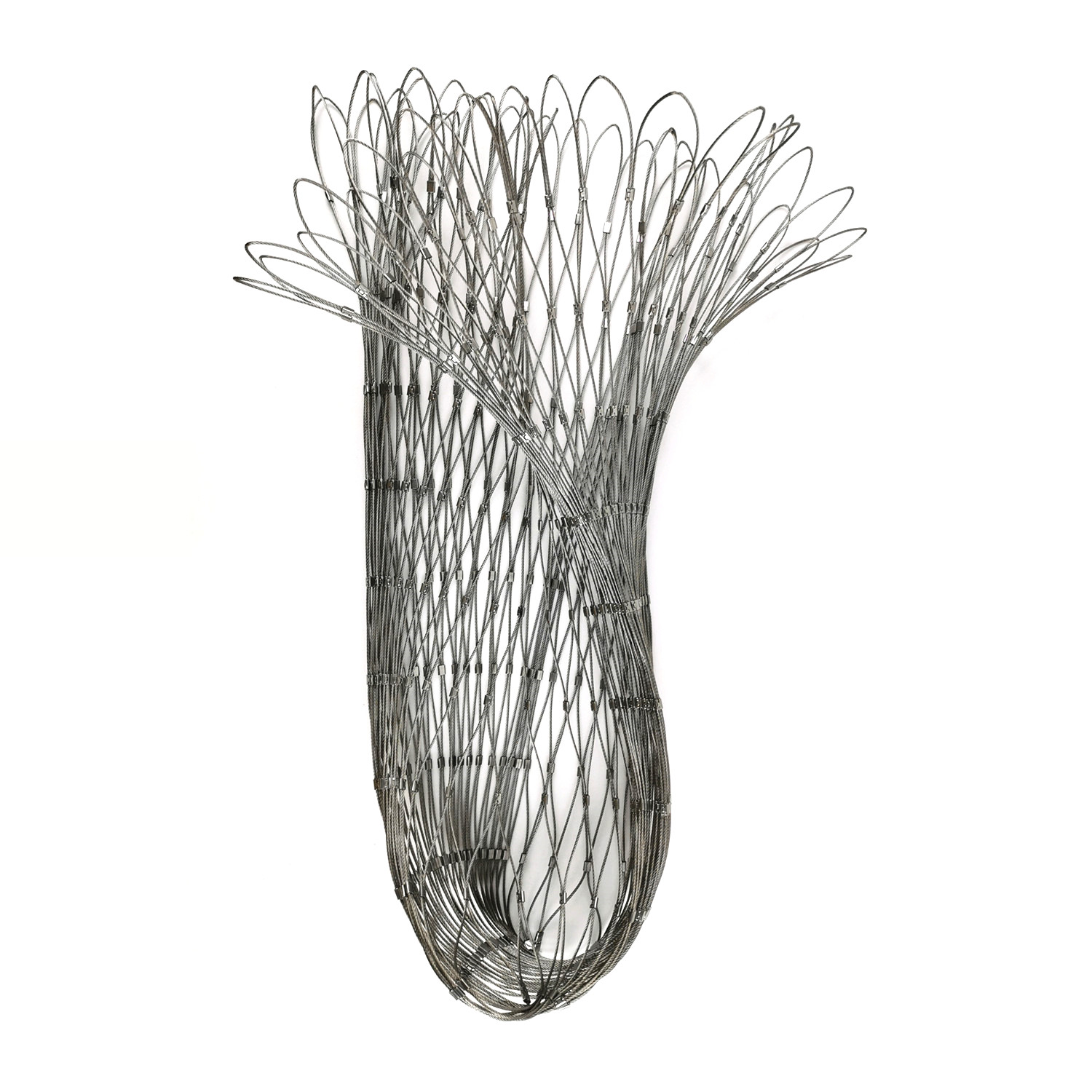
2026-03-16 A single dropped object incident can halt a multi-million dollar project in an instant. Beyond the immediate and tragic risk of human injury, the consequences cascade into costly operational shutdowns, irreparable damage to critical equipment, and lasting harm to a company's reputation.
Read More 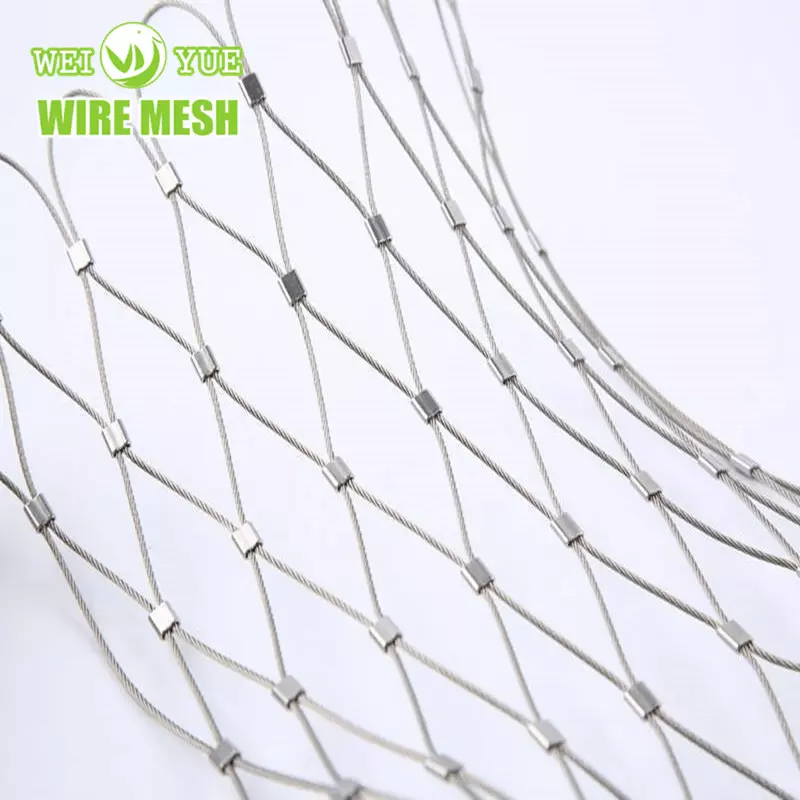
2026-03-16 In high-risk industries like energy, construction, and manufacturing, the threat of a dropped object is constant and carries severe consequences. An unsecured tool or a fixture loosened by vibration can become a deadly projectile in seconds. While many safety programs focus on active measures like t
Read More 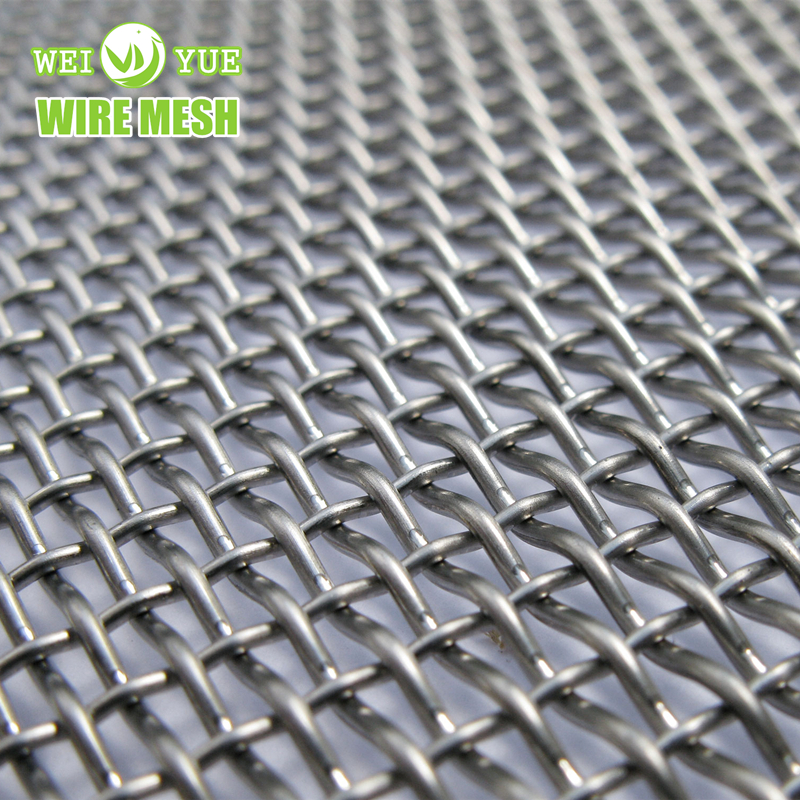
2026-03-14 You can cut stainless steel wire mesh easily if you match your tool to the mesh thickness and follow safe methods. For thin mesh, use scissors or a rotary cutter. For medium mesh, tin snips or a nibbler work best. Thick mesh calls for an angle grinder or industrial blades.
Read More 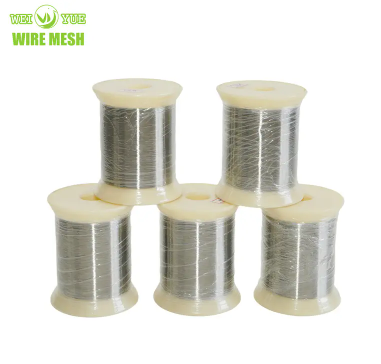
2026-03-13 There are three main ways to make stainless steel wire harder: cold working, heat treatment, and precipitation hardening. Each method is best suited for specific types of wire. For instance, cold working is ideal for austenitic alloys such as SS304/SS316 stainless steel wire.
Read More 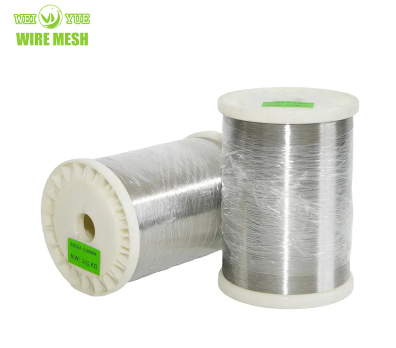
2026-03-13 You might ask if stainless steel wire can stop rust. The answer is yes—stainless steel wire fights corrosion in most places. This happens because makers add chromium to the alloy. Chromium makes a thin, invisible layer on the ten wire.
Read More 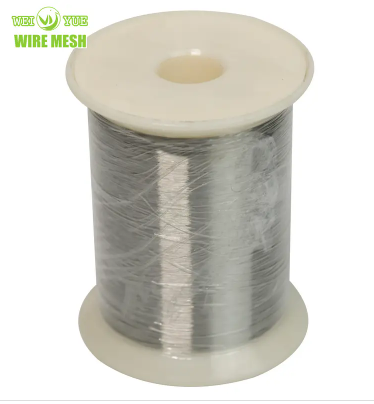
2026-03-13 You crimp stainless steel wire by using a strong crimping tool and the right size sleeves or ferrules. Choose tools made for SS304/SS316 stainless steel wire because this metal is tough and resists bending. Always wear safety glasses and gloves.
Read More 
