
Views: 0 Author: Site Editor Publish Time: 2026-03-13 Origin: Site


You might ask if stainless steel wire can stop rust. The answer is yes—stainless steel wire fights corrosion in most places. This happens because makers add chromium to the alloy. Chromium makes a thin, invisible layer on the ten wire. This layer protects the surface and helps stainless steel wire do better than regular steel. But stainless steel wire is not fully safe from rust. Even SS304/SS316 stainless steel wire can lose its strength in some cases. When you pick stainless steel fine wire, you count on this resistance to last a long time.
Stainless steel wire does not rust easily because chromium makes a protective layer. This layer keeps the wire safe from getting rusty.
Chlorides are in saltwater and some cleaners. They can hurt the protective layer and cause rust. Pick the right stainless steel grade for where you use it.
Cleaning with mild soap and water helps keep the layer strong. This stops rust from forming.
Grade 316 stainless steel is better at stopping rust in tough places like near the ocean than Grade 304.
Do not let stainless steel wire touch other metals when wet. This helps stop galvanic corrosion.
You might wonder why stainless steel wire does not rust easily. The main reason is chromium. When chromium is mixed with steel, it meets oxygen in the air. This makes a thin, invisible shield on the wire’s surface. The shield keeps water, air, and other bad things away from the metal.
Here are some important facts about chromium:
Chromium keeps the steel safe from many kinds of corrosion, like pitting and crevice corrosion.
It makes a layer that helps stop stress corrosion cracking.
The shield is thick and strong. It blocks most things that cause rust.
If the shield gets scratched, it can fix itself if there is oxygen.
More chromium makes the shield even better.
Stainless steel needs at least 10.5% chromium to fight rust well. This is the rule for stainless steel wire. The table below shows this:
Minimum Chromium Percentage | Description |
|---|---|
10.5% | Standard requirement for stainless steel classification. |
The passive state is another reason stainless steel wire does not rust fast. When the shield forms, the wire goes into a passive state. This means the surface does not react much with things that cause rust.
Here is how the passive state helps:
The passive film, made of iron and chromium oxides, acts as a wall. It stops rust in many places.
The film can change with the environment. This changes how well it protects the wire.
In neutral or alkaline places, the film works even better. It gives the wire strong rust resistance.
Scientists say the passive layer is very important. The table below shows what they found:
Finding | Explanation |
|---|---|
Formation of passive layer | The passive layer keeps oxygen and bad ions away from the metal. |
Role of chromium oxides | Chromium oxides make the passive film stronger against rust. |
Impact of defects | If the passive film has holes, rust can start. A smooth, full layer is best. |
You can see that chromium and the passive state are both important for stopping rust. They help stainless steel wire last longer, even in hard places.
Some people think stainless steel wire never rusts. This is not true. Certain things can break its protective layer. Chlorides are a big problem. You can find chlorides in saltwater, road salts, and some cleaners. If stainless steel wire touches chlorides, it can rust faster. Tiny holes called pits can form on the wire. This is called metastable pitting.
Metastable pitting starts when chlorides attack weak spots. These weak spots can be grain boundaries or small flaws. The passive layer that protects the wire gets damaged. When this happens, pits start to grow. The rest of the wire may look fine, but these pits can cause big problems later.
The environment is very important for stainless steel corrosion. Some places make rust form faster. Here are some common times when stainless steel wire can corrode:
Wet or very corrosive places, like near the ocean or in chemical plants
Touching chlorides, such as seawater or road salts
Bad airflow, which keeps things wet and slows drying
Outside with high humidity and big temperature changes
Using lower grades of stainless steel where there are many chlorides
Humidity and temperature changes can hurt the protective layer on the wire. When the layer gets weak, the wire is easier to attack by chlorides and other bad ions in the electrolyte. In coastal areas, the air has salt, which makes pitting corrosion more likely. If you leave stainless steel wire outside, you might see rust spots after some time, especially if the air is damp.
Strong chemicals also make corrosion happen faster. For example, if you put stainless steel wire in strong caustic solutions like sodium hydroxide (NaOH), it will corrode more. At 30% NaOH, the wire corrodes about 0.38 mm each year. At 50% NaOH, it can reach 1.9 mm per year. Higher heat and stronger chemicals make it worse. Even austenitic stainless steels, which usually resist corrosion, can break down in these hard conditions.
Note: Pick the right grade of stainless steel wire for your area. Clean the wire often and keep it dry to slow down rust.
If you remember these things, you can stop many problems with stainless steel corrosion. Watch out for chlorides, strong chemicals, and changes in temperature or humidity. These things all make rust and damage more likely for your wire.
You will see 304 and 316 grades a lot. Both grades can stop rust, but they do not work the same everywhere. Grade 304 is used often and is good for dry or gentle places. Grade 316 has more nickel and also molybdenum. This extra part helps 316 fight rust from salt and strong chemicals better than 304.
You can use these grades for many things:
Tie wire, pins, and lashing
Filters, gaskets, and forming wire
Conveyors, jewelry, and springs
Kitchen tools, grill racks, and pet cages
Food and medical machinery
If you need wire near the ocean or with chemicals, pick 316. For inside or less tough places, 304 is usually fine.
Not all stainless steel grades stop rust the same way. The mix of elements in each grade matters a lot. Grades with more chromium, molybdenum, and nickel are better at stopping rust, especially with chlorides. You can look at the Pitting Resistance Equivalent Number (PREN) to compare grades. A higher PREN means the wire is better at stopping pitting and crevice rust.
When you choose a stainless steel wire grade, think about these things:
How much rust protection you need
The wire size for your job
How strong the wire must be
The look and finish of the wire
How well it handles bending and stress
If it fits your special use
What chemicals and weather it will face
Tip: Always pick the right stainless steel wire grade for your place and use. This helps your wire last longer and fight rust better.
Taking care of stainless steel wire helps it last longer. Cleaning the wire often keeps its protective layer strong. If dirt or salt stays on the wire, rust can start. Here are some ways to keep your wire in good shape:
Use mild soap and water with a soft cloth or sponge to clean the wire.
Rinse the wire with fresh water after storms or salt exposure.
Dry the wire with a clean towel to stop water spots.
Do not use cleaners with bleach, chlorine, or acid unless they are safe for stainless steel.
For tough stains, use a stainless steel cleaner with oxalic acid.
Clean the wire every 2-3 months, or more if you live near the ocean.
Handle the wire the right way to keep it strong. This stops dirt from getting on the surface. Passivation treatments can help, too. These treatments make the protective layer better, especially after welding or shaping the wire.
Physical damage can make rust worse. Scratches or scrapes take off the protective layer. This lets water and air reach the steel. Rust can start when this happens. Handle the wire carefully, especially in wet or chemical places. Even small scratches can cause problems over time.
Scratches let water and air touch the metal.
Damage to the chromium oxide layer makes rust more likely.
Careful handling is important in wet or chemical-heavy areas.
Galvanic corrosion happens when stainless steel wire touches a different metal and water is present. The metal with a lower electrical potential rusts faster. The other metal stays safe. This happens most when stainless steel touches metals like aluminum.
Three things must happen for galvanic corrosion to start:
The metals must have different corrosion potentials.
The metals must touch each other.
Water or another liquid must connect them.
If you use stainless steel wire with aluminum outside, the aluminum will rust first. This is a big problem near the ocean. For example, small aluminum rivets on a long piece of stainless steel will rust quickly because of high current. If you use big aluminum parts with small stainless steel bolts, the aluminum still rusts, but the effect spreads out more.
Think about galvanic corrosion when picking metals for your project. Always check if stainless steel wire will touch other metals, especially in wet or salty places. This helps you avoid fast rust and keeps your wire strong.
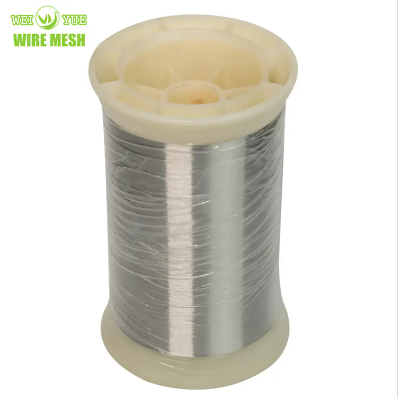
There are easy ways to keep stainless steel wire strong and shiny. Clean the wire often with fresh water and a soft cloth. This removes dirt, salt, and chemicals. Dry the wire after you clean it. Drying stops water spots and keeps the wire smooth.
You can use protective coatings to help stop rust. For example, a PVC coating makes a shield around the wire. This shield blocks water, chemicals, and other bad things. The coating helps the wire last longer, especially in wet or rough places. If you use the wire outside or near the ocean, a coating is a good idea.
Here are some more ways to stop rust:
Keep wire in a dry spot.
Do not let the wire touch other metals that can cause rust.
Look for scratches or damage on the wire. Fix problems fast.
Only use cleaners made for stainless steel.
Tip: Clean and check your wire every few months. This helps you find problems early and keep the wire in good shape.
It is important to pick the right stainless steel wire grade. Each grade works best in certain places. Match the grade to your needs and where you will use it.
Here is a table to help you choose:
Stainless Steel Grade | Environmental Suitability | Key Characteristics |
|---|---|---|
Martensitic Stainless (13Cr) | Mild CO₂, low H₂S | Cost-effective, limited pitting resistance |
Ferritic Stainless | Chloride SCC resistance | Moderate corrosion resistance, lower toughness |
Austenitic (316L, 904L) | Chloride-bearing, moderate sour service | Excellent ductility, higher cost |
Duplex Stainless (22Cr, 25Cr) | Balanced strength and corrosion resistance | Good for H₂S partial pressures up to ~3 psi |
Super Duplex (2507) | High-chloride sour environments | High pitting and SCC resistance |
Nickel Alloy 625 | Aggressive sour service | Excellent resistance to pitting and SCC |
Nickel Alloy 825 | Mild to moderate sour environments | Good resistance in less aggressive conditions |
You should also think about these things:
How strong and tough you need the wire to be
What chemicals or weather the wire will face
If you need special features, like sour service
How much money you want to spend
Industry rules can help you choose. For inside or mild outside use, Type 304 is a good pick. For places near the ocean or with chemicals, Type 316 is better. For very tough places, you may need super austenitic or duplex grades.
You now know that stainless steel wire resists rust well, but it can still corrode in tough places. The table below shows how different grades perform:
Grade | Rust Resistance in Salty Areas |
|---|---|
304 | Not good |
316 | Very good |
430 | Fair |
To keep your wire strong:
Pick the right grade for your environment.
Clean and check the wire often.
Store it dry and handle with care.
Yes, stainless steel wire can rust. You usually see this when the wire faces salt, chemicals, or scratches. The protective layer can break down. You can slow rust by cleaning and picking the right grade.
You should use mild soap and water. Wipe the wire with a soft cloth. Rinse with fresh water and dry it well. Avoid harsh cleaners. For tough stains, use a stainless steel cleaner.
Grade 316 works best near the ocean. It has molybdenum, which helps fight salt and pitting. Grade 304 does not work as well in salty air.
You can use stainless steel wire with other metals, but you risk galvanic corrosion. If the metals touch and get wet, one metal may rust faster. Try to keep different metals apart or use coatings.


