
Views: 0 Author: Site Editor Publish Time: 2026-03-13 Origin: Site


You crimp stainless steel wire by using a strong crimping tool and the right size sleeves or ferrules. Choose tools made for SS304/SS316 stainless steel wire because this metal is tough and resists bending. Always wear safety glasses and gloves. Use steady pressure so you do not damage the stainless steel fine wire. Good technique helps you make a secure and lasting connection.
Choose the right crimping tool for stainless steel wire. Hydraulic crimpers provide the best force for thick wires, while manual tools work for smaller jobs.
Always wear safety gear, including gloves and goggles, to protect yourself from sharp wire ends and flying debris.
Prepare the wire properly before crimping. Clean it and ensure it is straight to avoid weak connections.
Use the correct size crimp sleeve for your wire. An improper fit can lead to weak crimps and potential failures.
Test your crimped connections by pulling on the wire. Ensure the sleeve is tight and shows clear marks from the crimper.
You need a special tool to crimp stainless steel wire. Stainless steel is tough and does not bend easily. Use tools made for stainless steel wire. Manual crimping pliers are good for small jobs. Hydraulic crimpers give more force for thick wire. Pneumatic crimpers are fast and help you work quickly. The table below shows different crimping tools, their good points, and their limits:
Type of Tool | Advantages | Limitations |
|---|---|---|
Stainless Steel Crimping Tool for Battery Cables | Accurate, easy to hold, insulated handles | Needs care, size limits |
Manual Crimping Pliers with Stainless Steel Teeth | Strong, easy to carry, many die sets | Needs hand strength, less steady |
Stainless Steel Hydraulic Crimping Tool | Powerful, steady, lasts long | Heavy, costs more, needs care |
Portable Pneumatic Crimping Tool | Quick, light, easy to change dies | Needs air, not easy to move |
Stainless Steel Crimping Tool for Hoses | Fights rust, pressure can be changed | Special use, may need setting |
Stainless steel wire needs tools with strong jaws. Stainless steel jaws with hardness between 45 and 55 HRC last longer and fight rust.
You must pick the right sleeve or ferrule for your wire size and where you use it. Stainless steel sleeves come in grades like 304 and 316. Grade 304 is good indoors and in mild places. Grade 316 fights harsh chemicals and saltwater, so it is used for boats or factories. The table below compares these grades:
Material Grade | Corrosion Resistance | Applications | Mechanical Strength | Temperature Range |
|---|---|---|---|---|
304 | Great in normal places | Indoor machines, city areas | Good for medium tension | -50°C to 600°C |
316 | Best in tough places | Offshore, chemical plants | Strong under shock loads | -50°C to 600°C |
You should always keep yourself safe when working with stainless steel wire. Wear safety goggles to protect your eyes from flying metal. Heavy gloves keep your hands safe from sharp wire ends. Keep your workspace tidy and bright. The table below lists important safety rules:
Safety Standard Category | Description |
|---|---|
Tool Handling and Operation | Hold tools tight, keep away from moving parts, store safely |
Personal Protective Equipment | Goggles, gloves, right clothes |
Work Area Conditions | Neat, bright, dry unless tools are made for wet |
Electrical and Thermal Safety | Turn off circuits, insulate, stay away from open flames |
You must prepare stainless steel wire carefully before crimping. Follow these steps to get the best results:
Measure the clear distance between the end posts at the cable height.
Check the fitting instructions for the required insertion depth at each end.
Add the insertion lengths to your clear distance and adjust for any tensioners.
Mark the cut point on the cable with a permanent marker.
Cut the wire with a cable cutter. Keep the jaws square to the cable for a clean cut.
Handle the wire gently. Avoid kinks and sharp bends, especially near the ends.
You should clean the wire with a degreaser or isopropyl alcohol. This removes dirt and oil that can affect the crimp. Straighten the wire before stripping. This helps you avoid messy results and protects your tools. Always check the wire diameter and match it to the feed hole. If you use the wrong size, the crimp may fail.
You need to position the crimp sleeve correctly for a strong connection. Follow these steps:
Prepare the crimp area with a light grit blast. This improves grip.
Slip the crimping sleeve over the wire.
Insert the wire into the sleeve. Make sure the sleeve sits at the right spot.
Position the sleeve so that about 1.3 to 1.5 mm of wire sticks out from each end.
Check that the sleeve fits snugly. If it is too loose or too tight, the crimp will not hold.
You must choose the right connector size. An undersized connector can crush the wire. An oversized connector can crimp loosely. Always inspect the sleeve and wire before you start.
You must use the crimper with the right force to make a secure crimp. Hydraulic crimpers give a steady force of 8 to 10 tons. This is important for stainless steel wire because manual tools cannot deliver enough pressure for thick cables. If you use too little force, the crimp will not deform the wire enough. This can cause leaks or loose caps.
Consequence | Description |
|---|---|
Leaks | Insufficient sealing pressure can lead to leaks, allowing volatiles to escape. |
Loose Cap | A cap that spins freely or moves without resistance indicates under-crimping, risking leaks. |
To crimp the wire:
Place the sleeve and wire in the jaws of the crimper.
Apply steady pressure. Do not rush.
Check the crimp after you finish. The sleeve should be tight and show a clear mark from the jaws.
Pull the wire tight to achieve proper tension. This helps prevent slippage.
If you do not have a hydraulic crimper, you can use alternative methods for small jobs. One common method uses angle iron and a hammer.
Place the sleeve and wire between two pieces of angle iron.
Hit the iron with a hammer to flatten the sleeve.
Check the crimp for tightness and security.
This method works for thin stainless steel wire, but it does not give the same force as a hydraulic crimper. You must pull the wire tight and check for proper tension. If the crimp feels loose, repeat the process or use a better tool.
You must avoid common mistakes. Do not use curled or improperly prepared wire. Always tighten all components. If you neglect to inspect and test, you risk unnoticed failures.
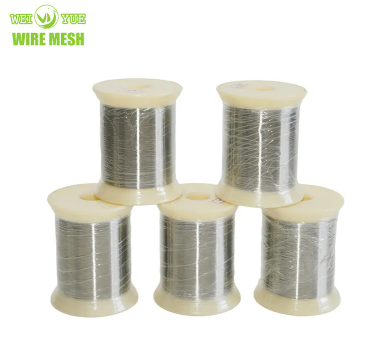
You can make strong loops with stainless steel wire by choosing the right wire configuration. Loops help you attach the wire to hooks, turnbuckles, or anchor points. Each wire configuration gives you different levels of flexibility and strength. The table below shows common wire configurations and where you might use them:
Configuration | Description | Applications |
|---|---|---|
7×7 | Six strands of seven wires each around a fiber core. Good balance of flexibility and abrasion resistance. | Pulleys, rigging |
7×19 | Six strands of nineteen wires each around a fiber core. Highly flexible for dynamic loads. | Cranes, hoists |
1×19 | Single strand with nineteen wires. Very stiff, ideal for straight applications. | Rigging, mast stays |
6×36 | Six strands of thirty-six wires. Good balance of abrasion resistance and flexibility. | Hoisting, towing |
8×19 | Eight strands of nineteen wires. Increased flexibility for frequent bending. | Hoisting applications |
19×7 | Nineteen strands of seven wires. Non-rotating, useful in crane applications. | Crane operations |
6×25 | Six strands of twenty-five wires. Balances flexibility and wear resistance. | Varied mechanical applications |
18×7/17×7 | Eighteen or seventeen strands of seven wires. Rotation-resistant, less stiff than 19×7. | Hoisting applications where load rotation is a concern |
You should pick a configuration that matches your project. For example, use 7×19 for loops that need to bend often. Use 1×19 for loops that must stay straight.
Lap splices join two pieces of wire side by side. You use this method when you need to extend the length or repair a section. To make a lap splice, overlap the wire ends and place a crimp sleeve over both. Squeeze the sleeve with your crimper until it holds both wires tightly. Pull on the wires to check the strength of the splice.
You should keep the overlap at least three times the wire diameter. This gives the splice enough holding power. If you use a short overlap, the splice may slip or break.
You must match the sleeve and crimper to the wire size. If you use a sleeve that is too large, the crimp will not hold. If you use a sleeve that is too small, you can damage the wire. Always measure the wire diameter before you start. Most sleeves have size markings to help you choose the right one.
You can stop weak crimps if you know the main problems. Weak crimps can make connections unsafe or cause them to fail. The table below lists what can go wrong and why:
Problem Description | Possible Causes |
|---|---|
Inconsistent crimp quality | Wrong tool setup, wrong tool, or wrong connector |
Loose or poorly secured crimps | Not enough pressure, wire not prepared well |
Over-crimping | Too much pressure, wrong tool settings |
Crimped connection not insulated | Wrong tool use, connector not lined up |
Crimping tool wear and tear | Tool is damaged, not taken care of |
Connector or wire damage | Bad handling, material defects |
Always check your tool settings before you start. Make sure the die matches the connector. Use the right force when you crimp. After you finish, pull on the wire to test it. Pull testing shows if the crimp will stay strong.
You can stop wire damage by following some easy steps:
Use a certified crimping system with matching parts.
Strip and get the wire ready before you crimp.
Look at the wire and connector for problems before starting.
Pick good materials for wires, tools, and connectors.
Test your crimps by pulling or using electrical tests.
Keep your crimping tools clean and working well.
Use a good wire stripper so you do not cut wire strands.
Make sure your stripper fits the wire size you have.
Only put wires that are not damaged into the connector.
These steps help keep the stainless steel wire strong and safe while you crimp.
You should always keep yourself and your work area safe when crimping. Here are some safety tips:
Wear gloves and safety glasses to protect from sharp edges and flying bits.
Keep your hands away from moving parts to avoid getting pinched.
Check cables for damage, rust, or wear before each use.
Use cable cutters made for stainless steel for clean cuts and safety.
Hold the cable tight before cutting to keep your hands safe and make straight cuts.
You can make strong and safe crimps if you follow these steps: First, look at each crimp to see if there are any problems. Next, pull on the wire to make sure it is tight and secure. Then, use a heat gun to shrink tubing over the crimp for more protection.
Always try crimping on extra wire before your real project. This helps you get better and feel more ready.
Expert Tip | What You Should Do |
|---|---|
Consult professionals | Ask for advice on critical or load-bearing connections |
Use quality materials | Choose reputable suppliers with traceable products |
Check your work two times and always think about safety when you crimp stainless steel wire.
You should use a hydraulic crimper for thick stainless steel wire. Manual crimping pliers work for small jobs. Always pick a tool made for stainless steel. This helps you get a strong and safe crimp.
You should never reuse crimp sleeves or ferrules. Once you crimp them, they lose their shape and strength. Always use new sleeves for each project. This keeps your connections safe.
You can test your crimp by pulling on the wire with steady force. The sleeve should not move. You can also check for clear jaw marks on the sleeve. If you see any slipping, redo the crimp.
Wire Diameter | Sleeve Size (mm) |
|---|---|
1/16" (1.6mm) | 1.5 |
1/8" (3.2mm) | 3.0 |
3/16" (4.8mm) | 5.0 |
You should always match the sleeve size to your wire diameter. Check the package for size markings.


