
Views: 0 Author: Site Editor Publish Time: 2026-01-18 Origin: Site


How is perforated metal made? This simple question has a complex answer, as various methods are used to create the unique designs and structures that make perforated metal so versatile. Have you ever wondered how those intricate patterns are punched into sheets of metal?
In this article, we will explore the different methods used to create perforated metal, from traditional punch presses to advanced laser techniques. You'll learn how this material is produced and how it can be tailored for diverse applications.
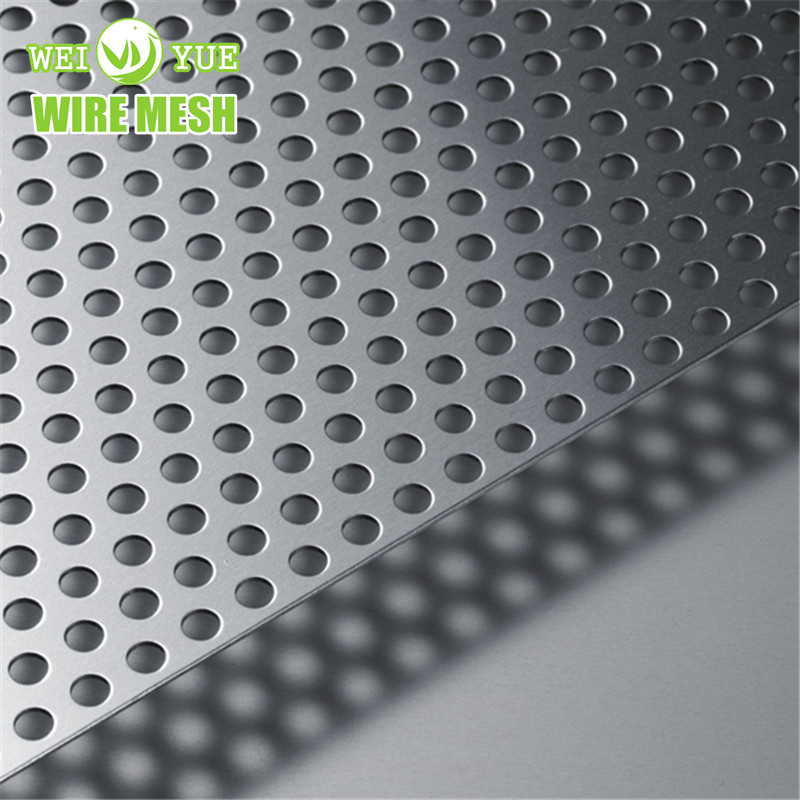
Perforated metal refers to a type of sheet metal that has been pierced with a pattern of holes or slots. The material retains the core strength and durability of its base metal while providing functional benefits such as ventilation, noise reduction, and design flexibility. The holes can vary in size, shape, and spacing, allowing manufacturers to customize the perforated metal for specific applications.
Perforated metal is widely used in sectors requiring both strength and permeability. The most common forms are perforated sheets, plates, and screens. These materials are used in everything from industrial filtration systems to decorative panels on buildings. The level of customization available with perforated metal makes it a versatile and valuable material.
The most common materials used to create perforated metal include:
Material | Properties |
Stainless Steel | Known for its corrosion resistance and strength, ideal for outdoor applications. |
Aluminum | Lightweight, corrosion-resistant, and widely used in architectural applications. |
Cold-Rolled Steel | Offers high strength and can be processed easily but is less corrosion-resistant than stainless steel. |
Brass and Copper | Preferred for decorative applications due to their aesthetic appeal and warm tones. |
These materials are chosen based on the intended use of the perforated metal. Stainless steel is often selected for its corrosion resistance, making it perfect for harsh environments. Aluminum, on the other hand, is used in lightweight applications, such as decorative facades, because of its ease of installation and resistance to corrosion.
Perforated metal was first developed over 150 years ago in the mining industry to filter coal. The original process was labor-intensive, relying on workers manually punching holes into sheets of metal. Over time, automated machinery replaced the manual process, improving both the efficiency and consistency of the perforations.
As technology advanced, the applications for perforated metal expanded. Today, it is used in a wide range of industries including construction, automotive, and food processing. Its ability to serve both aesthetic and functional purposes has made perforated metal a staple in modern manufacturing.
The punch press method is one of the most common ways to create perforated metal. In this process, a metal sheet is passed through a machine equipped with a sharp die and punch. As the sheet moves, the die strikes the metal, punching holes in a controlled pattern. This process is highly efficient and suitable for creating large volumes of perforated metal quickly.
● Wide Punch Presses: These are designed to punch multiple rows of holes simultaneously, making them ideal for repetitive patterns and large batches.
● Sectional XY Axis Machines: This method moves the die across the metal sheet, allowing for more intricate and complex designs. It's particularly useful for non-repetitive patterns.
The punch press method is typically used when large quantities of perforated metal need to be produced quickly. The process allows manufacturers to create consistent, high-quality perforations at a faster rate compared to other methods.
Rotary pinned perforation is another common method, involving a large cylinder equipped with sharp, pointed needles. As the metal sheet moves through the machine, the cylinder rotates and continuously punches holes in the material. This method allows for the creation of uniform patterns with consistent hole sizes.
In some cases, the needles are heated to reinforce the holes, making the perforations more durable. This method is particularly efficient for high-volume production. It’s ideal for producing consistent and simple hole patterns across large surface areas.
Laser perforation is a more advanced technique that uses a focused laser beam to burn holes into a metal sheet. The precision of lasers allows for high-quality, intricate patterns, making this method ideal for customized designs. While it offers exceptional accuracy, it can be more expensive and slower than other methods, making it better suited for specialized applications.
This method is used for more complex and detailed patterns that require higher precision. It’s often used in industries where high-quality finishes and intricate designs are required, such as in decorative applications or highly specialized industrial uses.
The process of creating perforated metal begins with the selection of the base material. The metal sheet must meet specific strength, durability, and corrosion resistance requirements, depending on the intended application. Stainless steel is often chosen for outdoor applications, while aluminum is favored for lighter, decorative uses.
The thickness of the metal sheet is also a crucial factor. Thicker metals may require more powerful punching tools, while thinner metals can be processed more easily. The choice of material is closely tied to the final use of the perforated metal, as different industries have varying demands for durability and strength.
Once the material is selected, the perforation process begins. The metal sheet is fed into the appropriate machine, whether it's a punch press, rotary perforator, or laser cutter. The type of machine used depends on factors like the complexity of the design, the speed required, and the volume of production.
Method | Best For | Speed | Customization |
Punch Press | Large batches, repetitive designs | Fast | Limited |
Rotary Perforation | High-volume production, uniform patterns | Very Fast | Moderate |
Laser Cutting | Complex patterns, high precision | Slow | High |
● Punch Press: Ideal for large, repetitive patterns and high-volume production.
● Rotary Perforation: Efficient for creating uniform holes in high quantities.
● Laser Cutting: Best for precise, intricate designs with more complex patterns.
After the metal is perforated, several post-processing steps may be required. These include:
● Shearing: Excess metal is removed from the edges of the perforated sheet to achieve the desired dimensions.
● Smoothing: The surface is smoothed to eliminate any sharp edges or burrs created during the perforation process.
● Coating: Some perforated metal sheets may undergo coating or finishing processes such as powder coating, galvanizing, or anodizing to improve durability and corrosion resistance.
Post-processing enhances the durability and aesthetics of perforated metal. Surface finishes help protect the metal from corrosion and can also enhance its visual appeal, making it more suitable for architectural and decorative uses.
Perforated metal is widely used in architecture, primarily for facades, sunshades, and decorative panels. The material's ability to provide both aesthetic appeal and functional benefits like ventilation makes it ideal for modern building designs. Perforated metal can be used to create stunning visual effects while also allowing airflow, reducing the need for mechanical ventilation systems.
Some famous buildings use perforated metal panels for both their aesthetic beauty and functional advantages. The lightness and design flexibility allow architects to create intricate patterns while ensuring airflow and light penetration.
In the industrial sector, perforated metal is used for filtration, soundproofing, and structural reinforcement. It plays a vital role in applications like oil filtration, gas purification, and soundproofing in factories or recording studios. The versatility of perforated metal allows it to serve multiple roles across different industries, making it a go-to material in many industrial applications.
Perforated metal is also used in custom design applications where unique patterns and shapes are needed. Whether it’s for creating bespoke decorative elements or functional components, perforated metal offers designers the flexibility to achieve complex patterns that would be difficult to replicate with other materials.
One of the primary benefits of perforated metal is its design flexibility. Manufacturers can create a wide variety of hole shapes, sizes, and patterns to meet specific aesthetic needs. Whether it’s used for decorative facades or interior design, perforated metal provides endless possibilities for customization.
Despite its perforated nature, the material retains the inherent strength and durability of the base metal. This makes it ideal for applications requiring structural integrity, such as in architectural facades or industrial filtration systems.
The holes in perforated metal allow for air and sound to pass through, making it an excellent choice for ventilation systems and noise reduction applications. It’s commonly used in HVAC systems, soundproof barriers, and other applications where airflow and noise control are essential.
Certain materials may be more difficult to perforate, particularly if they are very thick or brittle. This can impact the efficiency of the perforation process and require specialized equipment or techniques to achieve the desired results.
While perforated metal offers many customization options, creating highly intricate patterns can be challenging. Some methods, such as laser perforation, provide higher precision but may come with increased costs and longer production times.
The choice of manufacturing method can significantly affect the cost and time required to produce perforated metal. Punch press methods are fast and cost-effective, but may not be suitable for highly detailed designs. On the other hand, laser cutting offers high precision but can be more expensive and time-consuming.
In conclusion, perforated metal is a versatile material with a wide range of applications. Whether for industrial, architectural, or decorative uses, the manufacturing process ensures that it meets both aesthetic and functional needs. From punch presses to laser cutting, each method offers unique advantages for specific purposes.
At Hebei Weiyue Wire Mesh Products Co.,Ltd., we specialize in providing high-quality perforated metal products that are custom-designed to meet various requirements. Our products combine durability, functionality, and design flexibility to serve diverse industries, adding value and efficiency to your projects.
A: Perforated metal is a type of sheet metal that has been punched or cut with a series of holes or slots. It is commonly made from materials like stainless steel, aluminum, and steel, offering both strength and versatility for a range of applications.
A: Perforated metal is made by using methods such as punch press, rotary perforation, or laser cutting. These methods punch precise holes into metal sheets, allowing manufacturers to create customized designs and patterns for various industries.
A: Perforated metal is used in many industries for applications such as filtration, ventilation, architectural facades, noise reduction, and decorative elements. Its versatility allows it to meet both functional and aesthetic needs.
A: Perforated metal is popular in architecture due to its design flexibility and ability to provide ventilation and shade. It can create unique aesthetic effects while also serving practical purposes like reducing energy costs and enhancing airflow.
A: Yes, perforated metal retains the strength and durability of the base material, such as stainless steel or aluminum. This makes it suitable for both industrial and outdoor applications where resistance to wear, weather, and corrosion is essential.
A: The cost of perforated metal varies based on factors such as material, hole pattern, and sheet size. Custom designs and thicker materials may result in higher costs, but the durability and versatility of perforated metal make it a valuable investment.


