
Views: 0 Author: Site Editor Publish Time: 2025-12-23 Origin: Site


Cutting expanded metal mesh can be tricky if you don't know the right techniques. Whether you're working on a DIY project or a large industrial task, getting clean, accurate cuts is essential.
In this article, we will guide you through the tools and steps needed to cut expanded metal mesh. You'll learn how to choose the right tools, avoid common mistakes, and get perfect results every time.
Expanded metal mesh is a sheet of metal that has been slit and then stretched to form a mesh pattern, typically with diamond-shaped openings. This process makes the mesh stronger and lighter than the original solid sheet of metal. It’s used in a wide variety of applications such as fencing, security barriers, ventilation systems, and even in architectural design.
Cutting expanded metal mesh is often necessary when it needs to be customized to fit specific spaces or purposes. For instance, you may need to create panels of different sizes for security fencing or decorative elements for architectural features. Accurate cutting ensures that the mesh fits perfectly and serves its intended function without excess material or wasted resources.
Tool Type | Suitable For | Pros | Cons |
Manual Hacksaw | Thin gauges of expanded metal mesh | Precise, inexpensive | Time-consuming, less efficient |
Tin Snips | Smaller cuts and intricate designs | Easy to handle, low cost | Limited to thinner materials |
Power Jigsaw | Thicker gauges of expanded mesh | Fast, efficient for thicker meshes | Requires safety precautions, noisy |
Angle Grinder | Heavy-duty cutting | Cuts large areas quickly | Can be messy, requires expertise |
Cutting Shears | Heavy or frequent cutting | Smooth, clean cuts for large projects | Requires maintenance, more expensive |
For smaller projects, manual cutting tools are an affordable and effective option. Common manual tools include:
● Hacksaw: A versatile tool that works well for cutting thinner gauges of expanded metal mesh.
● Tin Snips: Ideal for making precise cuts, especially in smaller areas or for intricate designs.
These tools are suitable for lighter projects or occasional cutting tasks. However, they may not be efficient for large-scale work, and the cutting process can be time-consuming.
For larger projects or when cutting thicker materials, power tools are the preferred choice. Some of the most common power tools include:
● Jigsaw: Equipped with a metal cutting blade, a jigsaw can handle thicker gauges of expanded metal mesh.
● Angle Grinder: Ideal for fast, straight cuts, especially for industrial projects that require cutting through heavy-duty materials.
● Cutting Shears: Powered shears are excellent for quick, smooth cuts in expanded metal mesh, especially in large quantities.
Power tools save time and effort but require more caution, as they can be dangerous if not handled properly.
Tip: For larger cutting projects, invest in high-quality power tools to ensure precision and efficiency.
Before cutting expanded metal mesh, it’s important to properly prepare the material and workspace:
● Measure and Mark: Use a tape measure and a marker to outline the area you plan to cut. Double-check your measurements to avoid mistakes.
● Secure the Mesh: Clamp the mesh securely to a work surface to prevent movement during cutting. This ensures straight cuts and safety while handling the mesh.
Make sure to wear appropriate safety gear, including gloves and protective goggles, as metal shards can pose a risk during the cutting process.
For cutting with manual tools, follow these steps:
1. Use Tin Snips: Start by cutting along the marked lines using tin snips. Tin snips are ideal for intricate and small cuts.
2. Cut with a Hacksaw: For longer cuts, use a hacksaw to saw through the mesh. Keep the saw steady and follow the marked lines closely for accurate cuts.
Manual tools are best for smaller jobs or precise cuts, but the process can be slower compared to power tools.
If you are using power tools, here’s the process:
1. Set Up the Jigsaw or Grinder: Fit the correct blade or disc designed for metal cutting.
2. Cut Along the Lines: Start cutting along the marked lines, ensuring that the mesh is securely held in place.
3. Smooth the Edges: After cutting, use a metal file or grinder to smooth rough edges and prevent injury.
Step | Action | Tips |
1. Measure and Mark | Use a tape measure and marker to outline areas to cut. | Double-check measurements for accuracy. |
2. Secure the Mesh | Clamp the mesh to a stable surface. | Prevents movement for clean cuts. |
3. Choose the Cutting Tool | Select the appropriate tool for the material. | Use power tools for thicker mesh, manual tools for smaller jobs. |
4. Start Cutting | Follow the marked lines carefully. | Use steady pressure for even cuts. |
5. Smooth and Finish Edges | Use a file or grinder to smooth sharp edges. | Ensures safety and a clean finish. |
One of the most common mistakes when cutting expanded metal mesh is inaccurate measurements. A simple miscalculation can lead to wasted material or poor fitting, which can affect the functionality or appearance of the mesh. Always measure twice before cutting.
Choosing the wrong cutting tool can result in rough cuts or inefficient work. For example, using manual tools on thicker gauges of mesh can make the job unnecessarily hard, while using power tools on thin mesh can cause damage. Select tools that are appropriate for the material thickness and the scope of your project.
Cutting expanded metal mesh can be dangerous, especially when using power tools. Always wear gloves, goggles, and hearing protection. Never skip safety precautions, and be sure to work in a well-ventilated area.
Tip: Always follow safety guidelines to minimize the risk of injury when working with cutting tools.
After cutting, expanded metal mesh often has sharp edges that can cause injuries. Use a metal file or grinder to smooth down the edges, especially if the mesh will be handled frequently. This is particularly important for applications like fencing or furniture, where people will be in contact with the cut edges.
To prevent rust and corrosion on the cut edges, apply a protective coating or paint. This is essential for outdoor applications, especially for projects exposed to moisture. A simple spray of rust-resistant paint can significantly prolong the life of the mesh.
Cut expanded metal mesh is often used to create customized security fences and barriers. Its strength and durability make it an ideal material for preventing unauthorized access while maintaining visibility.
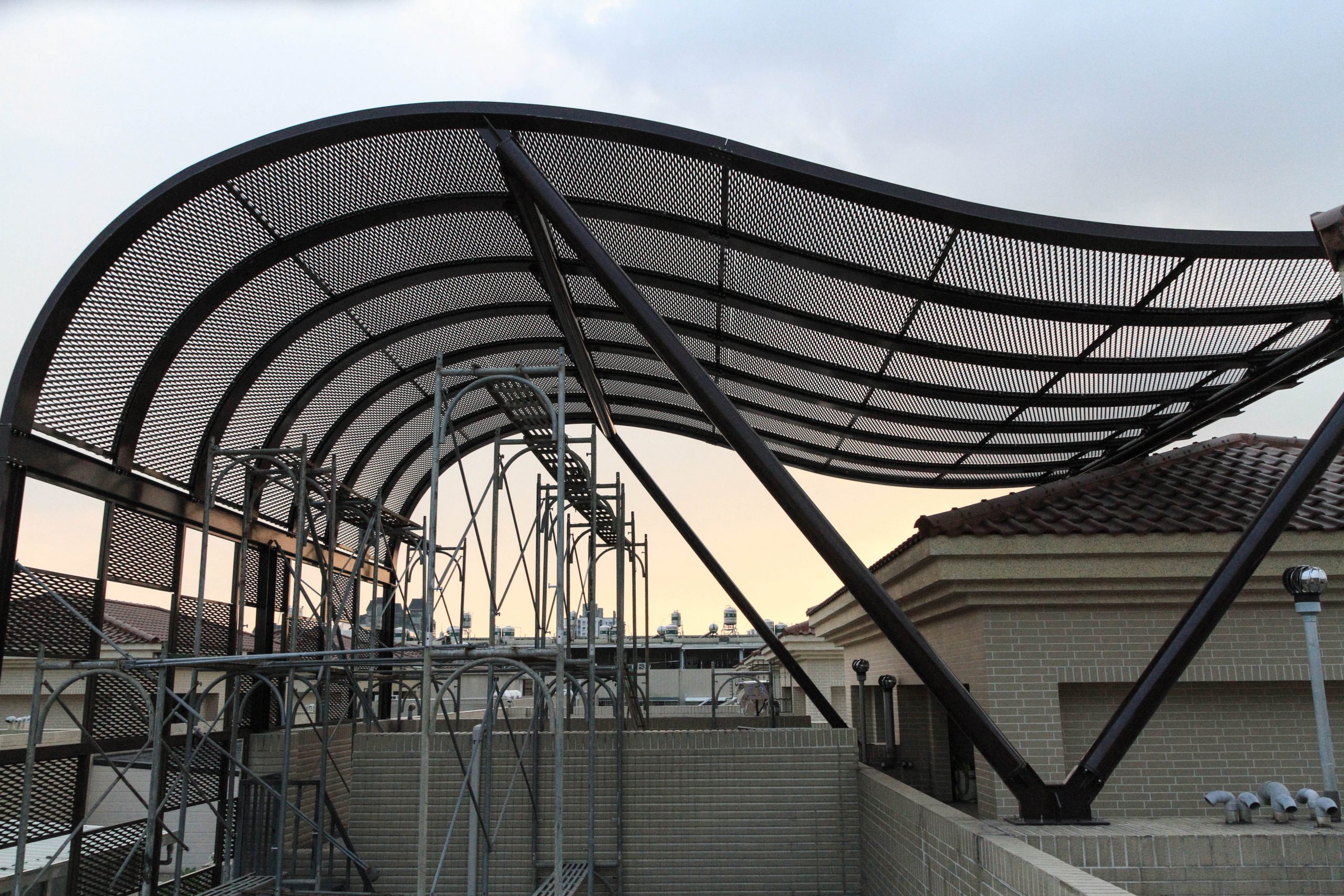
In architectural projects, cut expanded metal mesh is used for decorative facades, screens, and interior designs. It offers an aesthetically pleasing solution that provides both privacy and airflow.
Industrial uses for cut expanded metal mesh include walkways, platforms, and filtration systems. Its strength and versatility make it suitable for a wide range of applications in factories and warehouses.
Cutting expanded metal mesh requires the right tools and techniques for precise results. Whether using manual or power tools, it's essential to follow proper safety and measurement guidelines. Companies like Hebei Weiyue Wire Mesh Products Co., Ltd offer high-quality expanded metal mesh, providing durable and customizable options for a variety of projects. Their products ensure reliable, cost-effective solutions for both industrial and design applications.
A: Expanded metal mesh is a metal sheet that has been slit and stretched into a mesh pattern, typically with diamond-shaped openings. It’s strong, lightweight, and versatile for various applications.
A: To cut expanded metal mesh, use either manual tools like hacksaws or tin snips, or power tools such as jigsaws and angle grinders, depending on the thickness and size of the mesh.
A: Yes, a hacksaw can be used to cut thinner gauges of expanded metal mesh. It is effective for smaller, more precise cuts but may take longer for larger projects.
A: Expanded metal mesh is made from a single sheet that has been slit and stretched, making it stronger and more challenging to cut. Using the right tools ensures clean, efficient cuts.
A: For lighter tasks, use tin snips or a hacksaw. For heavier or more frequent cutting, power tools like jigsaws, angle grinders, or cutting shears work best for efficiency.


