
Views: 0 Author: Site Editor Publish Time: 2026-02-24 Origin: Site


304 Stainless Steel: It is good for stopping rust and is strong.
316 Stainless Steel: It works best where there is a lot of rust risk.
Stainless steel grating stays dependable even in hard places.
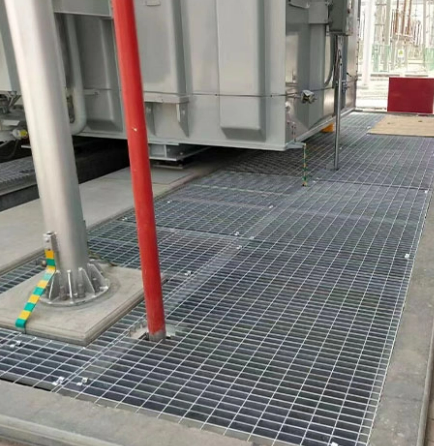
Stainless steel grating is very strong and does not rust easily. This makes it good for places with water or chemicals. - Pick the right kind of grating for your needs. You can choose welded, press-locked, or swage-locked types. Think about how much weight it must hold and where you will use it. - Clean and check your stainless steel grating often. This helps it last longer and keeps it safe to use. - The open-grid design lets water drain away. It also helps stop people from slipping, so it is safer in many places. - Always check the quality and details before you buy stainless steel grating. Make sure it fits what your project needs.
There are different kinds of stainless steel grating. Each kind has its own shape and job. The main kinds are welded, press-locked, swage-locked, and specialty gratings.
Welded grating has bars joined together. It is used where strong support is needed. Pressure resistance welding connects the bars at each spot. This makes the grating tough and long-lasting. You see welded stainless steel grating on factory floors, catwalks, and loading docks. It can hold heavy things.
Press-locked grating has bars pressed into place. The crossbars push into flat steel at each spot. This makes the surface smooth. You see press-locked grating in factories, buildings, and stores. It is good for walkways, platforms, and decoration. It can hold a medium amount of weight.
Smooth surface
Good for public spaces
Used in stairs and trench covers
Swage-locked grating pushes crossbars into bearing bars. This makes the grating look neat and keeps it light. You see swage-locked grating in buildings and stores. It can hold medium to heavy loads.
Type |
Structure |
Load Capacity |
Typical Uses |
|---|---|---|---|
Welded Stainless Steel |
Bars joined together |
High |
Factory floors, catwalks, loading docks |
Swage-Locked Stainless |
Crossbars pushed into bearing bars |
Medium to High |
Buildings and stores |
Press-Locked Stainless |
Bars pressed into place |
Medium |
Walkways, platforms, decoration |
Specialty grating is made for special needs. You might use specialty grating for safety or drainage. These gratings have special shapes or patterns. You can ask for extra slip resistance or special sizes.
You should choose the type of stainless steel grating based on where you will use it and how much weight it must hold.
You need something that can handle water and chemicals. Stainless steel grating protects against these things. It has a special surface. A thin film covers the metal. This film stops rust and keeps the metal safe. Other metals can fail in tough places, but stainless steel grating works well.
Stainless steel does not rust or corrode easily.
The film keeps the surface from getting damaged.
Here is a table showing how stainless steel compares to other materials:
Findings |
Description |
|---|---|
Corrosion Mechanisms |
Stainless steel resists corrosion at high temperatures better than duplex cast steel. |
Material Composition |
The layer of chromium oxide and iron oxide protects the metal from bad reactions. |
Industrial Challenges |
Stainless steel lasts longer in hard places than many other metals. |
You want grating that can hold heavy things and last. Stainless steel grating is strong and stays good for a long time. It does not bend or break easily. You can use it in factories, walkways, or anywhere that needs strong support.
Material |
Strength Rating |
Corrosion Resistance |
Maintenance Requirements |
Lifespan |
|---|---|---|---|---|
Stainless Steel |
High |
Excellent |
Low |
Lasts a long time |
Carbon Steel |
Good |
Low |
High |
Does not last as long in tough places |
Stainless steel grating is used in food plants, labs, and hospitals. These places need to be clean. The smooth surface makes cleaning simple. It follows strict hygiene rules, so you can use it where safety matters.
Stainless steel has a smooth surface that meets EN1672-2 standards.
The design avoids sharp edges and cracks, so dirt and germs cannot hide.
Here are some hygiene standards stainless steel grating meets:
Compliance Standard |
Description |
|---|---|
FDA 21 CFR Part 110/117 |
Good rules for making food safely. |
FDA 21 CFR Part 211 |
Rules for safe medicine and hygiene. |
FDA CFR Title 21 |
Safe for direct contact and resists cleaning chemicals. |
Doc. 8 |
Stops germs from spreading. |
Doc. 13 |
Works well in places cleaned with water. |
Doc. 58 |
Helps keep food equipment safe and clean. |
You can clean stainless steel grating often and easily.
The design stands up to cleaning chemicals.
Smooth finishes stop germs from growing.
Stainless steel grating has an open-grid design. Water, air, and light can pass through it. This helps stop puddles and keeps walkways safe. The open area is about 35%. It helps drainage and lowers the chance of slipping.
The holes make the grating light but strong. You can use it where safety and drainage are important. The open-grid also helps air move, so surfaces stay dry and safe.
You start by choosing the right alloy for your project. The alloy you pick decides how well your grating will work in tough places. Here are the most common alloys you will find:
304: Good for most uses. It resists rust and stays strong.
304L: Similar to 304 but has less carbon. It works well when you need to weld parts together.
316: Handles harsh chemicals and saltwater. It is best for very corrosive spots.
316L: Like 316 but with less carbon. It is great for welding and keeps its strength in tough jobs.
These alloys give stainless steel grating its famous strength and resistance to rust. You can use them in food plants, chemical factories, or outdoor walkways.
You need to know how your grating is made. The process affects how strong and safe it will be. Here is a table that shows the main steps:
Fabrication Method |
Description |
|---|---|
Material Selection |
You pick the right alloy for your needs. |
Design & Patterning |
You choose the pattern to make sure it drains well and stays strong. |
Manufacturing |
Machines cut, weld, or press the grating into shape. |
Surface Treatment |
Workers polish or coat the grating to stop rust and make it look good. |
Quality Inspection |
Experts check the grating for strength, size, and rust resistance before it leaves the factory. |
Each step helps make sure your grating will last and stay safe.
You want your grating to meet high standards. Quality control checks every part of the process. Here is what you can expect:
Quality Control Aspect |
Description |
|---|---|
Raw Material Sourcing |
All materials come from top suppliers. |
Mill Certification |
Each batch has a certificate to prove it meets standards. |
100% Inspection |
Every piece gets checked before use. |
Chemical Composition Test |
Tests make sure the metal has the right mix of elements. |
Thickness Inspection |
Workers check that each piece is thick enough. |
Hardness Inspection |
They test how hard and tough the metal is. |
Zinc Coating Thickness |
If coated, they check the zinc layer for extra rust protection. |
Compliance Standards |
The grating meets rules like ASTM and GB/T. |
Tip: Always ask for proof of quality when you buy stainless steel grating. This helps you get a product that lasts and keeps people safe.
Stainless steel grating is used in many factories and plants. It makes a strong floor that lasts for years. You can walk safely, even if the floor is wet or oily. The grating handles heavy machines and lots of people walking. It does not rust or bend out of shape. Cleaning is easy, so spills and dust are not a big problem. Here is a table that shows how it keeps people safe:
Safety Benefit |
Description |
|---|---|
Slip Resistance |
You get good grip, even on wet or oily floors. |
Durability |
The grating stays strong under heavy things and does not rust. |
Corrosion Resistance |
It stands up to chemicals and tough places. |
Ease of Maintenance |
You can clean it fast, so spills and dust do not stay. |
Versatility |
You can use it in many places to make work safer. |
Factories, plants, and public spaces need safe walkways and platforms. Stainless steel gratings do not rust, so they last in hard places. Water and snow go through the open grid, so people do not slip. The grating keeps its shape in hot or cold weather. You do not need to add extra coatings. You spend less time fixing it, and the walkway stays safe.
Water and snow drain away, so slips happen less.
It stays strong in all kinds of weather.
You can use it for a long time with little work.
Stainless steel grating is used for drainage covers where you need clean and strong support. The grating does not rust, so you do not have to change it often. Its smooth surface stops bacteria from growing. Cleaning is simple, which helps keep things clean. The grating can hold heavy things, so people and cars can cross safely. Many covers have rough finishes that help stop slips.
Advantage |
Description |
|---|---|
Exceptional Corrosion Resistance |
The grating lasts a long time and does not rust. |
Hygiene and Easy Maintenance |
You can clean it quickly and keep germs away. |
Load-Bearing Capacity |
It can hold heavy weights without breaking. |
Safety and Slip Resistance |
Rough finishes help stop people from slipping. |
Stainless steel grating is used as safety barriers in factories, warehouses, and public places. The grating is strong and lasts a long time. It keeps people and equipment safe. You can see through the grid, so air moves and you can watch what is happening. The surface helps stop slips. The grating can hold heavy things, so machines and vehicles work safely.
Feature |
Description |
|---|---|
Strength and Durability |
The grating is tough and keeps people safe. |
Visibility and Airflow |
You can see through it and air can pass. |
Slip-Resistant Surface |
The surface helps stop slips and falls. |
The surface gives good grip to stop slips.
The grid lets liquids drain, so accidents are less likely.
The grating holds heavy things for safe work.
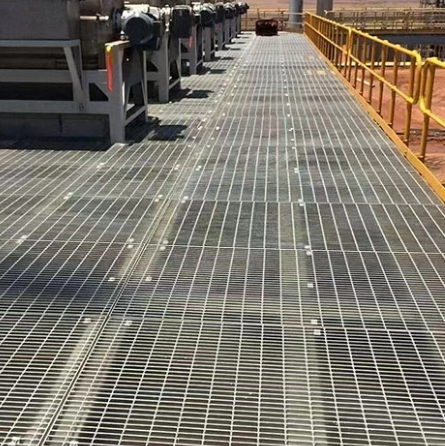
You need to know how much weight your grating will hold. Heavy-duty places need strong materials. Stainless steel grating works well with moisture and chemicals. Check the thickness and spacing of bearing bars. Thicker bars and closer spacing help hold more weight. Shorter spaces between supports make it stronger. Welding gives the best attachment. Regular checks keep your grating safe.
Pick stainless steel for tough places.
Choose thicker bars for heavy loads.
Use welding for strong installation.
Inspect often to keep it safe.
Your environment changes how your grating works. Coastal areas have salt and humidity that cause corrosion. Grades like 316 or 316L resist damage from chloride. High heat can make the metal expand. Cold can make it brittle. Clean your grating often to remove salt and chemicals. This stops damage and keeps it strong.
You can pick different sizes and designs. The spacing of bearing bars and cross bars changes how it works. Some types are good for tough jobs. Others are better for decoration. Banding makes the grating stiffer and safer. Look at the table below to compare choices:
Grating Type |
Bearing Bar Spacing (inches) |
Cross Bar Spacing (inches) |
Applications |
|---|---|---|---|
WS |
1-3/16, 15/16, 11/16 |
4, 2 |
Strong for tough jobs |
DTS |
1-3/16, 7/16 |
N/A |
Sunscreens, grilles |
SLS |
1-3/16, 7/16 |
N/A |
Vault covers, entrance mats |
Banding |
N/A |
N/A |
Removable panels |
You need to keep your grating clean and safe. Use a stiff brush or power wash to get rid of dirt. Clean grease or oil with organic solvents. Put on protective coatings to stop corrosion. Check your grating often for damage or wear. Fix small problems fast to keep it strong.
Clean often.
Use coatings for extra protection.
Inspect and fix as needed.
Check these things before you buy:
Checklist Item |
Description |
|---|---|
Type of Grating |
Pick the right material. |
Construction |
Choose welded or heavy-duty options. |
Bearing Bar Spacing |
Match size and spacing to your needs. |
Span |
Decide the direction of bearing bars. |
Anchorage Type |
Pick clips or lugs for anchorage. |
Finish |
Choose the surface finish. |
Surface |
Pick the texture for safety. |
Drawing |
Include all sizes and supports. |
Tip: Avoid mistakes by picking materials that resist corrosion and by checking your grating often.
Stainless steel grating is strong and lasts a long time. It does not rust easily. You can use it in buildings, sewage systems, and oil plants. Picking the right kind helps keep people safe and makes work easier. Check the buyer’s checklist to find what fits your needs.
Environment Type |
Best Choice |
|---|---|
Mild/Dry |
Carbon Steel + Galvanizing |
Severe Corrosion |
Type 316/L Stainless Steel |
If you have a special place, ask an expert for help.
You get better rust resistance with stainless steel grating. It lasts longer in wet or harsh places. Regular steel grating can rust and break down faster. Stainless steel also looks cleaner and is easier to keep sanitary.
Yes, you can use it outside. Stainless steel grating stands up to rain, snow, and sun. It does not rust easily. You see it in parks, walkways, and near water.
You can clean it with water and a brush. For tough stains, use mild soap or a special cleaner for stainless steel. Avoid harsh chemicals. Rinse well to keep the surface shiny.
You can find many sizes. Grating comes in different lengths, widths, and bar spacing. You can also ask for custom sizes to fit your project.
Size Option |
Description |
|---|---|
Standard |
Common factory sizes |
Custom |
Made to your request |


