
Views: 0 Author: Site Editor Publish Time: 2026-02-24 Origin: Site


You see stainless steel grating in many places every day. This material stands out for its strength, safety, and good looks. You find it in architecture, sewage plants, and petrochemical sites. It also appears on industrial floors and machinery platforms. Stainless steel grating lasts a long time and needs little care. While it costs more at first than carbon steel, you save money over time because it does not need much maintenance. The market for it grows quickly as more people need safe and strong building materials.
Stainless steel grating is very strong and lasts a long time. It works well for jobs that need tough materials. It does not rust, so it stays good in wet or rough places. Safety features like slip resistance help stop accidents at work or in public. Stainless steel grating also looks nice and can be made in different styles. Buying stainless steel grating saves money because it does not need much care. There are different types of stainless steel, like 304 and 316, for different uses. Cleaning and checking the grating often keeps it working well for many years. Picking the right supplier helps you get good grating that is safe.
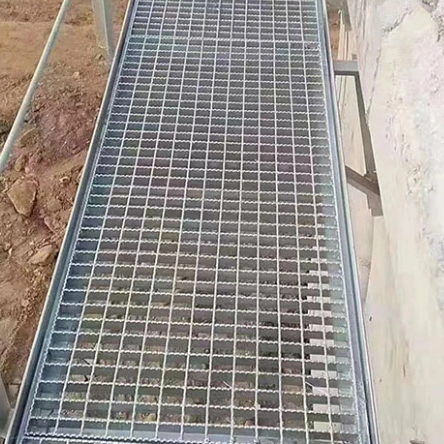
Stainless steel grating is useful for many things. It is strong, safe, and looks nice. You see it in factories and public places. It is also in new buildings. Let’s find out why it works in so many ways.
Stainless steel grating can handle hard jobs. It holds heavy things and lasts a long time. It is stronger than most other materials.
Property | Description |
|---|---|
High Durability | Stainless steel is very tough. It can take heavy weight and bad weather. |
Corrosion Resistance | It does not rust or corrode easily. You can use it inside or outside. |
Strength at Temperature | It stays strong in hot or cold places. This is good for many jobs. |
Stainless steel grating does not rust. It works well with water, chemicals, or changing weather. You can use it inside or outside. You do not have to worry about damage. This saves you time and money on fixing it.
Stainless steel grating can take hits and shocks. You can walk or drive on it. You can put heavy machines on it. It does not bend or break fast. This keeps people and equipment safe.
You want safe and nice-looking surfaces. Stainless steel grating gives you both. It follows safety rules and lets you pick designs.
Slip-resistant grating helps stop accidents. Many jobs need this by law. You see safety marks like ANSI, ASTM, and ISO. These show stainless steel grating is safe.
Aspect | Details |
|---|---|
Regulatory Compliance | Laws say work areas must have slip-resistant floors, especially in factories and transport. |
Industry Standards | Safety marks like ANSI, ASTM, and ISO help people choose safe products. |
The Office of Mine Safety and Health Research tested metal walkways.
They checked how easy it was to slip on slopes.
They learned stainless steel grating helps stop slips.
You can change stainless steel grating to fit your needs. You pick wire shapes and support rods. You choose edge styles. You use it for floors, air flow, or drains. It looks good in pools, fountains, and entrances.
You pick from many wire shapes and rods.
You choose edge styles for a neat look.
You use it in pools, fountains, and doorways.
Stainless steel grating saves money over time. It costs more at first. But you pay less for care and repairs. You compare it to other materials and see the good points.
Grating Type | Initial Cost | Lifecycle Cost |
|---|---|---|
Press-Locked Grating | Usually cheaper at first | Costs more because it is made carefully |
Welded Grating | Costs more because of welding | Costs less to take care of |
Carbon Steel Grating | Cheap for big projects | Costs more at first than stainless steel |
Stainless steel grating needs little care. You do not replace it often. You use it in many places, like factories and public spots. It gives you good value and trust.
It is important to know how stainless steel grating is made. First, you pick the right material grade. Next, you see how the grating is put together. Last, you check if it follows quality rules.
Grades 304, 304L, 316, and 316L are used a lot. These grades do not rust easily and are very strong. They are good for places that must stay clean, like food plants or hospitals. Grades 304 and 316 are chosen often because they fight rust and last long. You can use them in buildings, factories, and wet or salty places.
You need to think about a few things when picking a grade:
Operating Environment: See if the place is hot or has strong chemicals.
Strength and Durability: Make sure the grating can hold heavy things.
Temperature Resistance: Some grades work better in heat or cold.
Load Requirements: Decide how much weight the grating will hold.
Environmental Exposure: Pick a grade that can handle saltwater or chemicals.
Surface Finish: Choose plain or serrated for safety if it is slippery.
Spacing and Size: Check the bar spacing for strength and use.
Welded grating is made by joining metal bars with welding. This makes the joints strong. Welded grating is good for tough jobs. You can use it in factories, walkways, and platforms.
Press-locked grating uses pressure to lock bars together. No welding is needed. This way gives a smooth look and good strength. Press-locked grating is best for places that need a neat surface.
You have to check if the grating meets the right standards. These rules help you trust the product.
Standard | Description |
|---|---|
GB/T 3280-2015 | Cold Rolled Stainless Steel Plate, Sheet and Strip |
GB/T 4237-2015 | Hot Rolled Stainless Steel Plate, Sheet and Strip |
ASTM A240/A240M | Specification for Chromium and Chromium-Nickel Stainless Steel Plate, Sheet, and Strip for Pressure Vessels and General Applications |
GB/T 24511-2017 | Stainless Steel and Heat Resisting Steel Plate, Sheet and Strip for Pressure Equipment |
ISO 2768-1 | General Tolerances for Linear and Angular Dimensions without Individual Tolerance Indications |
ISO 2553 | Symbolic Representation on Drawings for Welded Joints |
Tip: Ask about surface treatments like hot-dip galvanizing. Check the grating often to find problems early. Always follow the maker’s guide to keep the grating safe and strong.
Now you know how stainless steel grating is made. You also know what to check for. This helps you make good choices for your project.
You can find stainless steel grating in many places. It is used in lots of industries and different environments. The open design lets water drain and air move through. This helps keep surfaces dry and safe. People use it in factories, public areas, and places that need strong and clean materials.
Factories and plants use stainless steel grating for floors and walkways. It helps people walk safely because it does not get slippery. The grating can hold heavy things. Workers move machines and tools on these surfaces. The grating stays strong even when used a lot.
Industry | Application Description | Benefits |
|---|---|---|
Construction | Walkways, stair treads, platform flooring | Slip resistance, durability in high-traffic areas |
Manufacturing | Factory flooring, mezzanine decks | Supports heavy machinery, ensures worker safety |
Oil & Gas | Offshore platforms, refineries | Corrosion resistance, safety in harsh environments |
Transportation | Bridges, tunnels, railway stations | Drainage, safety for pedestrians and vehicles |
Stainless steel grating is often used as drainage covers. The open bars let water go through fast. This stops puddles and keeps walkways dry. You see these covers in tunnels, bridges, and factory floors. They last a long time and do not need much care.
Architects use stainless steel grating for building facades and sunshades. You can see these on new buildings. The grating looks modern and lets air move easily. It also helps block sunlight from windows.
Stainless steel grating is used for safety barriers in public places. These barriers help guide people and keep them safe. The grating does not rust and stays strong in any weather. You find it in metro stations, big buildings, and on bridges.
Industry | Applications | Benefits |
|---|---|---|
Construction & Infrastructure | Bridge construction, public walkways, drainage systems | Aesthetic appeal, long service life, easy maintenance |
Power Plants & Energy Sector | Maintenance platforms, cooling towers, access walkways | Durable and reliable under high-load conditions |
Wastewater Treatment Plants | Filtration zones, water distribution structures | Corrosion resistance, handles heavy loads |
Food & Beverage | Walkways, packaging areas, drainage covers | Hygienic, easy to clean, prevents bacterial growth |
High corrosion resistance
Superior strength
Long service life
Easy maintenance
Slip resistance
Hygiene
Aesthetic appeal
Food processing plants use stainless steel grating. The grating is easy to clean and does not let bacteria grow. Workers can wash it quickly. It does not rust, so it is good for places that must stay clean.
Marine and offshore places need materials that do not rust in saltwater. Stainless steel grating is used for platforms and walkways. It lasts a long time and does not corrode. In sewage and petrochemical plants, 316 stainless steel grating stands up to acids and chlorides. People trust it for safety and good performance.
Specialized Environment | Type of Stainless Steel | Performance Data |
|---|---|---|
Petrochemical Industry | 316 Stainless Steel | Superior resistance to chlorides and acids, essential for longevity in harsh conditions. |
Sewage Disposal | 316 Stainless Steel | Ideal for platforms and walkways in wastewater treatment due to corrosion resistance. |
Architectural Applications | 316 Stainless Steel | Increasing demand for high-performance materials in coastal infrastructure projects. |
Tip: If you pick stainless steel grating, you get something that works in many places. It keeps surfaces safe, dry, and clean. You also get a modern look and it lasts a long time.
You need to know how much weight your grating can hold. Load capacity tells you if the grating will stay safe under heavy use. Different types of grating work for different jobs. Here is a table to help you see which type fits your needs:
Grating Type | Applications |
|---|---|
Light-Duty | Pedestrian load, Maintenance walkways, HVAC service access |
Medium-Duty | Industrial platforms, Conveyor access, Storage mezzanines |
Heavy-Duty | Forklift traffic, Mining platforms, Vehicle loading zones |
Several things affect how much weight the grating can handle:
Factors Influencing Load Ratings | Description |
|---|---|
Material Strength | The strength of the stainless steel used in the grating. |
Bearing Bar Geometry | The shape and size of the bars that support the load. |
Span | The distance between supports under the grating. |
Safety Factor | An extra margin to keep people safe beyond the expected load. |
Load Distribution Type | How the weight spreads across the grating surface. |
You should always check these factors before you choose a grating for your project. This helps you keep people and equipment safe.
You want your grating to last a long time, even in tough places. Stainless steel grating stands up to rain, snow, and chemicals. It does not rust easily. You can use it outside or in places with water and harsh cleaners. This makes it a good choice for factories, food plants, and outdoor walkways. You do not have to worry about the grating breaking down or losing strength. This feature saves you money and time because you do not need to replace it often.
You want your grating to work well for a long time. Good maintenance helps you get the most out of your investment. Here are some simple steps you can follow:
Routine Cleaning: Wash the grating with water and mild soap to keep dirt and grime away.
Regular Inspection: Look for signs of wear, rust, or damage, especially if you use the grating in harsh places.
Securing Fastenings: Make sure bolts, clips, or welds stay tight so the grating does not move or shift.
Applying Protective Coatings: Use coatings like galvanization if your grating faces tough weather or chemicals.
Establishing a Maintenance Schedule: Set up a regular plan for cleaning, checking, and recoating to keep the grating in top shape.
If you follow these steps, your stainless steel grating will stay strong, safe, and clean for many years.
You need to make sure your stainless steel grating meets important safety rules. These rules protect workers and visitors in factories, public spaces, and commercial buildings. When you choose grating, you should check if it follows the main standards. These standards help you avoid accidents and keep your project legal.
Safety standards come from groups like OSHA and ANSI. OSHA stands for Occupational Safety and Health Administration. ANSI means American National Standards Institute. Both groups set rules for how grating should work in different places. You can see some of the main standards in the table below:
Standard | Description |
|---|---|
OSHA | Workplace safety standards that must be adhered to for safety grating. |
ANSI | Load classifications including Light Duty, Medium Duty, Heavy Duty, Extra Heavy Duty, and Special Duty up to 10,000+ lbs. |
OSHA rules tell you how to keep floors and walkways safe. These rules say your grating must stop slips and falls. OSHA also gives guidelines for how strong the grating should be. You must follow these rules if you want to pass safety checks.
ANSI gives you load ratings for grating. You can pick Light Duty, Medium Duty, Heavy Duty, or Extra Heavy Duty. Some jobs need grating that holds more than 10,000 pounds. You should always check the load class before you buy grating. This helps you match the grating to your needs.
Many industries have their own safety rules. For example, food plants need grating that is easy to clean. Chemical plants need grating that does not react with harsh liquids. You should ask your supplier if the grating meets these special rules.
Here is another table that shows more safety standards:
Standard | Description |
|---|---|
OSHA | Mandates strict requirements for workplace safety, including guidelines for slip resistance and fall protection. |
Industry-Specific | Various industries have specific safety standards and guidelines for flooring materials and walkway surfaces. |
You can use these standards to check if your grating is safe. Always look for products that have passed tests for slip resistance and strength. You can also ask for certificates from the maker. These papers show the grating meets all the rules.
You should remember that safety is not just about rules. You need to check your grating often. Look for loose bars, rust, or damage. Fix problems right away. This keeps your grating safe for everyone who uses it.
When you choose stainless steel grating, you get a product that can meet strict safety standards. You can trust it in busy places, wet areas, and high-traffic zones. By following the rules, you make your space safer and more reliable.
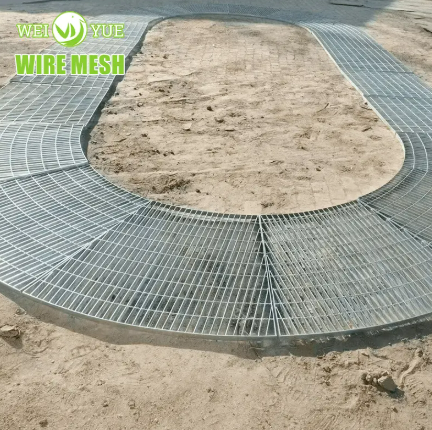
First, you need to know where you will use the grating. Every project is different and has its own needs. You should check how much weight the grating must hold. Look at the space where you will put it. Think about what kind of surface the grating will sit on. The table below shows what you should check:
Criteria | Description |
|---|---|
Service load and deflection | Required load and acceptable deflection limits for the application. |
Unsupported clear span | The distance the grating spans without support, affecting strength. |
Flooring surface | The type of surface the grating will be installed on, influencing design. |
Banding and trim | Additional features for stiffness and aesthetics, important for durability. |
Finish | The surface treatment of the stainless steel, affecting appearance and maintenance. |
You also need to think about the environment. Wet or salty places need special care. If you use the grating outside, make sure it can handle rain and sun. For inside, focus on safety and how it looks.
There are different grades and types of stainless steel grating. Each one works best in certain places. The table below compares the two most common grades:
Grade | Composition | Corrosion Resistance | Cost | Suitable Applications |
|---|---|---|---|---|
304 | No molybdenum | Moderate | Lower | General applications |
316 | Contains molybdenum | High | Higher | Marine and corrosive environments |
Grade 316 is good for salty or chemical-heavy places. It does not get damaged by rust easily because it has molybdenum. Grade 304 costs less and works well in dry or mild places. Pick the grade based on where you will use the grating and how much weight it needs to hold.
You also need to pick the right type. Here are the main types:
Welded bar grating is strong and lasts a long time. It is good for factory floors.
Press-locked grating looks neat and stays in place. You see it in buildings and walkways.
Riveted grating is good for heavy traffic and strong hits. It works well for roads and loading areas.
You want a supplier who gives you good products and helps you. Good suppliers test their grating to make sure it is strong and safe. The table below lists common tests:
Test Type | Purpose |
|---|---|
Bearing Bar Test | Assesses strength, load-bearing capacity, and structural integrity of bearing bars. |
Cross Bar Test | Verifies strength, durability, and overall quality of cross bars. |
Grating Length and Width Test | Measures dimensions to ensure they meet specifications and customer requirements. |
Pitch Test | Ensures uniformity and accuracy of spacing between bars for reliable structure. |
Ask if the supplier tells you what grade they use and where the steel comes from. Check if they have reports that show the material is good. Make sure they follow rules like ISO 9001.
A good supplier will help you with design and answer your questions. They will work with you to pick the best grating for your project. This help makes it easier to avoid mistakes and finish your project on time.
When you start a stainless steel grating project, you need to think about your budget early. Stainless steel grating might look costly at first. But if you plan well, you can save money later. Do not just look at the price tag. Think about every cost that comes with your choice.
Key Budget Factors to Consider:
Material Costs: Stainless steel has different grades. For example, Stainless Steel 304 usually costs from $190 to $380 per square meter. Higher grades like 316 cost more but stop rust better. Pick the grade that fits your needs so you do not pay too much.
Manufacturing Complexity: How the grating is made changes the price. Welded grating often costs 15–25% more than press-locked grating. If your project does not need welded grating’s extra strength, pick press-locked to save money.
Certification Requirements: Some projects need certified products. Certified grating can cost 10–20% more. But it gives you peace of mind. Certification means the grating meets safety and quality rules. This matters for public places or places with strict rules.
Application-Specific Pricing: Different industries have special needs. For example, food factories need grating that is easy to clean and safe for food. These features can make the price go up. Talk to your supplier about your industry’s needs to get the right product.
Volume and Procurement Efficiency: Buying more grating at once can lower your price per unit. Large orders often come with discounts. If you need your grating fast, rush orders may cost extra. Plan ahead to avoid these extra fees.
Here is a table to help you compare some of these costs:
Factor | Typical Impact on Budget |
|---|---|
Material Grade | Higher grades cost more but last longer |
Production Method | Welded grating is 15–25% more expensive |
Certification | Adds 10–20% to the price |
Industry Requirements | Special features increase costs |
Order Volume | Large orders lower unit price |
Delivery Speed | Rush orders add extra fees |
Tip: Always look at the total cost, not just the first price. Stainless steel grating may cost more at first, but it saves you money on repairs and replacements. You spend less on care, and the grating lasts for many years.
Make a list of what you need and compare prices from different suppliers. Ask for quotes that include all costs, not just the material. This way, you do not get surprised later. Good planning helps you get the best value for your project.
You need to clean stainless steel grating often to keep it strong and safe. Regular maintenance stops corrosion and damage. You can follow these steps to make cleaning easy:
Remove dust with water or an alkaline solution. This keeps the surface clear and shiny.
Use high-pressure water or steam for dirt that sticks to the grating. This method works well in busy places.
Polish scratches and rough spots with a special machine. Mechanical cleaning helps the grating look new.
Clean away leftover welding flux using mechanical tools. This prevents corrosion from starting.
Avoid abrasive cleaning tools and bleaching agents. These can harm the surface and make it weaker.
You can prevent most problems if you know what causes them. The table below shows the main factors that affect how long stainless steel grating lasts. It also explains how you can stop these issues:
Factor | Description |
|---|---|
Grade of Stainless Steel | Higher grades, like 316, resist corrosion better. Choose the right grade for harsh environments. |
Environmental Conditions | Saltwater, humidity, and pollution speed up corrosion. Clean and inspect grating often in these places. |
Maintenance and Care | Clean and check the grating regularly. Use safe cleaning methods to protect the steel’s surface layer. |
Installation Quality | Install grating correctly. Poor installation creates stress points and makes the grating easier to damage or corrode. |
You should pick the right grade for your project. Grade 316 works best in places with saltwater or chemicals. Clean and inspect the grating often if you work in tough environments. Make sure the grating is installed well. This stops stress and damage.
Stainless steel grating can last many years if you take care of it. You get a long service life when you clean, inspect, and maintain the grating. The right grade and good installation also help. In factories and public places, grating often lasts over 20 years. You do not need to replace it often. This saves you money and keeps your project running smoothly.
You can check the grating every few months. Look for signs of rust, loose bars, or damage. Fix problems right away. This keeps the grating strong and safe for everyone.
️ If you follow these steps, your stainless steel grating will stay reliable and look good for a long time.
There are many new ways to make stainless steel grating. Companies now care more about the environment and better products. These changes help you and the planet. They also make grating last longer.
Eco-friendly alloys are better for the earth. You help nature when you pick these.
Corrosion-resistant materials make grating last longer. You do not need to replace it often, so you save money.
New ways to make grating improve quality. You can get grating made just for your needs.
Companies now share carbon data. Safegrid steel grating has low embodied carbon and an Environmental Product Declaration (EPD). You can use this data to make greener choices.
Stainless steel grating now comes in many shapes and styles. Designers use new tools to make grating look good and work well. You can pick special finishes or patterns for your project.
Modern grating gives you:
Custom bar spacing for better drainage and airflow.
Special surface textures that help stop slips.
Sleek finishes that make public places look nice.
You can use stainless steel grating where style is important. Shopping centers, parks, and building entrances all use it. You get safety and beauty in one product.
Feature | Benefit |
|---|---|
Custom designs | Fit your project needs |
Improved slip resistance | Keep people safe |
Attractive finishes | Enhance visual appeal |
Stainless steel grating is used in more places now. Engineers and architects trust it for hard jobs and stylish projects. You can use it where there are chemicals because it does not rust. The open design lets water drain fast, so puddles do not form.
Stainless steel grating works well on bridges and walkways. It holds heavy loads and keeps people safe.
You see grating in outdoor spaces. It stops water from pooling and protects surfaces.
Architects use grating for its nice finish in new buildings.
Slip resistance makes grating a smart choice for safe areas.
You can trust stainless steel grating for strength and style. It works in many new places, from factories to public spots.
️ Stainless steel grating meets new needs. You get a product that lasts, looks good, and keeps people safe.
When you pick stainless steel grating, you get many good things. It stays strong for a long time and does not rust easily. It helps keep people safe at work. You can use it in lots of different jobs and places. The table below lists the main good points:
Key Benefit | Description |
|---|---|
Durability | Stays strong for years, even in hard places. |
Corrosion Resistance | Handles chemicals and salty air without rusting. |
Safety Features | Stops slips and stands up to fire for safer work. |
Versatility | Good for food plants, factories, and building sites. |
You need to make sure the grating fits your project. Think about what you need and talk with suppliers. Take time to learn more or ask someone who knows a lot.
You get better strength and corrosion resistance with stainless steel grating. It lasts longer and needs less maintenance than carbon steel or aluminum grating.
You can use stainless steel grating outside. It resists rain, snow, and sun. It does not rust easily, so it works well in parks, walkways, and bridges.
You clean stainless steel grating with water and mild soap. Use a soft brush for tough dirt. Avoid harsh chemicals and rough tools to protect the surface.
You see stainless steel grating in factories, food plants, wastewater treatment, and public spaces. It works well in places that need strong, safe, and clean surfaces.
You should pick grade 316 stainless steel for marine areas. It resists saltwater and harsh chemicals better than grade 304.
Grade | Best Use |
|---|---|
304 | General indoors |
316 | Marine, chemicals |
You get slip resistance with serrated or textured grating. This helps prevent accidents in wet or oily areas.
You can expect stainless steel grating to last over 20 years with proper care. It stays strong and safe for a long time.


