Views: 0 Author: Site Editor Publish Time: 2026-02-24 Origin: Site


Strong in hot and cold
Easy to keep clean
Does not rust
Can be recycled
Lasts a long time
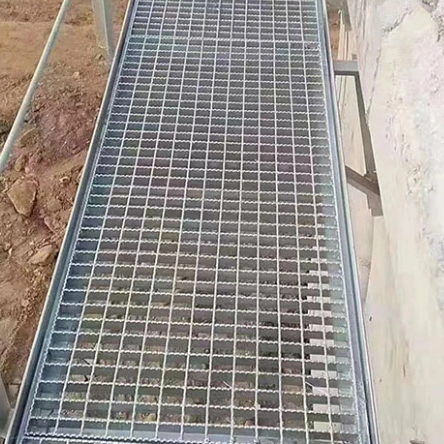
Stainless steel grating is very strong and lasts a long time. It works well for heavy things in building projects. It does not rust or break down easily, so it stays good even in tough places. The open-grid design lets water drain out fast and makes cleaning simple. This helps save time and money on fixing or cleaning. Stainless steel grating helps keep people safe because its rough surface stops slips. Picking the right grade, like 316 for outside, gives you the best results with stainless steel grating.
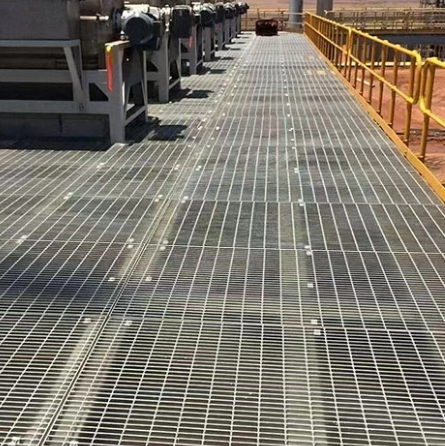
Builders need strong materials for buildings. Stainless steel grating is very strong. It can hold a lot of weight. The open-grid design uses bearing bars and crossbars. This design spreads out the weight. It keeps the floor or walkway steady. People can walk on it safely. Machines can move over it too. How much weight it holds depends on the steel type. The size of the bars matters too. The space between supports is important. You also need to know what kind of load is on it. Some loads stay in one spot. Some loads move around.
The material changes how much weight it can hold.
The length and thickness of bars change the strength.
The space between bars and the temperature matter too.
You can use stainless steel grating in many places. It works in factories, plants, and public spaces. It stays strong even when used a lot.
You want materials that do not rust. Stainless steel grating does not rust easily. It fights off corrosion better than other materials. You can pick different grades for more protection. Grade 304 is good for food plants and water treatment. Grade 316 is even better for salty or chemical places.
Grade | Corrosion Resistance | Applications |
|---|---|---|
304 | Good corrosion resistance | Chemical processing, food industries, power plants, waste water treatment |
316 | Better corrosion and pitting resistance | Chemical, pulp and paper processing, marine environments, textile equipment, petroleum refining |
You can use stainless steel grating in many places. It works in marine, food, and chemical areas. It stands up to salt, acid, and tough conditions. This makes it a smart choice when you need something that lasts.
You want your building to last a long time. Stainless steel grating is very durable. The open grid lets water and dirt drain away. You do not have to clean it often. This saves you time and money. You do not need to replace it as much as other materials.
Aspect | Solid Plates (Disadvantages) | Stainless Steel Grating (Advantages) |
|---|---|---|
Cleaning & Drainage | Traps water, oil, sludge, and debris, requiring frequent, labor-intensive cleaning. | Open grid is self-draining, virtually eliminating manual cleaning, saving labor and water costs. |
Corrosion Resistance | Coating damage leads to rapid hidden corrosion, requiring costly and frequent repairs. | Open structure ensures ventilation, preventing moisture traps and hidden corrosion, with minimal maintenance. |
Structural Durability | Thin sheets are prone to impact damage, making repairs difficult and costly. | Load is distributed evenly, allowing for easy and cheap replacement of individual panels. |
Stainless steel grating keeps its shape for many years. You do not have to worry about hidden rust. It will not break suddenly.
You need safe floors and walkways. Stainless steel grating helps keep people safe. The open mesh stops water and dirt from building up. This lowers the chance of slipping or falling. Many gratings have rough surfaces for extra grip. You can use them in wet or oily places.
The open grid lets liquids and dirt fall through.
Rough surfaces help shoes and boots grip better.
Some products meet safety rules like ISO 9001 and ASTM A240.
Tip: Always check for safety certifications before you buy stainless steel grating.
You can feel safe knowing your floors help protect everyone.
Stainless steel grating is used where floors must be strong and safe. Factories and plants use it for walkways and platforms. You can see it in many places:
Floors in petroleum refineries
Walkways on offshore platforms
Heavy-duty industrial areas
Food processing and packaging spaces
Sewage treatment and water distribution sites
Bridges and public walkways
This material holds heavy machines and lots of people. It helps keep workers safe too. Here is a table that shows why it is good for these jobs:
Benefit | Description |
|---|---|
High Load Capacity | It is strong and holds heavy machines and vehicles. |
Extreme Durability | It does not rust or wear out, even in tough places. |
Enhanced Safety | The rough surface helps stop slips and falls. |
Efficient Drainage | The open grid lets water and dirt fall through. |
Customizable Fit | You can get it in many sizes and shapes for your needs. |
Easy Installation | It is light, so it is easy to move and put in place. |
Good drainage is important in many building jobs. Stainless steel grating lets water pass through easily. It stops trash from blocking drains. It works well for floor drains, trench covers, and parking lot drains. The strong design stands up to bad weather and chemicals. You can clean it easily. This makes it a smart pick for places that need good drainage.
Stainless steel grating can make buildings look modern and nice. It adds strength and lasts a long time. Architects use it for floors, vent covers, and drains. It fits well with other building materials and looks clean.
Stainless steel grating makes buildings stronger and last longer.
It looks good and makes spaces more attractive.
You can use it for floors, vents, and drains, and it works well with other materials.
Some places need materials that can handle heat and chemicals. Stainless steel grating works better than carbon steel or aluminum here. It keeps its shape and strength, even when it gets very hot or toxic. Here is a table that shows how it compares:
Material | High-Temperature Performance | Corrosion Resistance | Structural Integrity |
|---|---|---|---|
Stainless Steel | Excellent | High | Superior |
Carbon Steel | Moderate | Low | Moderate |
Aluminum | Good | Moderate | Low |
There are different types of stainless steel grating. Each type is good for certain jobs. Picking the right one helps your project work better.
Welded bar grating is very strong and tough. Makers weld cross bars to bearing bars. This makes it hard and sturdy. People use it where heavy things need support.
You often see it used for:
Walkways and catwalks in factories
Stair treads in big buildings
Drain covers in cities
Platforms in warehouses and energy plants
If you want more rust protection, pick grade 304 or 316. Grade 316 is best for places with chemicals or salt.
Welded bar grating is great for hard jobs. It keeps people safe and lasts a long time.
Press-locked grating uses pressure to hold bars together. This gives it a neat and even look. It is lighter than welded grating and simple to put in.
Parameter | Press-Locked Grating | Welded Grating |
|---|---|---|
Strength | Moderate | High |
Appearance | Clean and uniform | Rugged and functional |
Customization | Highly customizable | Less customizable |
Weight | Lightweight | Heavier |
Best Use | Architecture, light industry | Heavy-duty industry |
You see press-locked grating in public places and nice buildings. You can use grades 304 or 316 for better rust resistance.
Swage-locked grating uses a special way called swaging. This locks the bars together tightly. It is strong but not heavy. It can hold a lot of weight and does not rust easily.
Advantage | Description |
|---|---|
Lightweight | Easy to move and install |
High Strength | Can hold heavy things |
Corrosion Resistance | Lasts long in wet or rough places |
You can use swage-locked grating in many places. Grade 316 gives the best protection in tough spots.
Heavy-duty grating is made for the hardest jobs. You need it when very heavy things like trucks drive over it. It uses thicker bars and a stronger build.
You will find heavy-duty grating in:
Loading docks
Airport runways
Industrial floors with lots of traffic
Pick grade 316 for the best use in chemical plants or near the sea. This type keeps your area safe and strong, even when things get really tough.
Factories and water plants use carbon steel grating a lot. It costs less when you buy it. But you must paint or coat it to stop rust. Stainless steel grating lasts longer and needs less work. You can use it where there is salt, chemicals, or water. Here is a table that shows the main differences:
Feature | Stainless Steel Grating | Carbon Steel Grating |
|---|---|---|
Corrosion Resistance | Superior, ideal for corrosive areas | Needs coatings to prevent rust |
Lifespan | Long-lasting, minimal maintenance | Shorter, more maintenance needed |
Cost | Higher upfront, saves money over time | Lower upfront, higher long-term costs |
Best Use | Marine, food, pharmaceuticals | Manufacturing, petroleum, water |
Aluminum grating is much lighter than stainless steel grating. You can move and put it in place easily. Aluminum has a layer that helps stop rust. Stainless steel fights rust even better, but it costs more. Look at this table:
Material | Weight (g/cm³) | Corrosion Resistance |
|---|---|---|
Aluminum | 2.7 | Excellent from oxide layer |
Stainless Steel | 7.8 | Better, but more expensive |
Aluminum weighs about one-third of stainless steel.
Aluminum does not rust easily, but stainless steel is even stronger.
You can use aluminum grating in many places. In very tough spots, stainless steel is the best choice.
Stainless steel grating costs between $200 and $500 for each square meter. Grade 316 costs more because it fights salt and chemicals better. You pay more at first, but you save money later. Stainless steel does not need much care. You do not have to replace it often. If you use carbon steel, you spend more on fixing and painting it. Stainless steel can get small rust spots, so you should check it sometimes.
Making stainless steel grating uses a lot of energy and water. Getting stainless steel from the ground can hurt land and water. The process makes waste and pollution. But stainless steel is 100% recyclable. You help the earth by recycling it. Stainless steel grating lasts a long time, so you do not need to change it often. This means less waste and saves resources.
Stainless steel can be recycled again and again.
It lasts longer, so you use less material.
You do not need much care, which saves energy and water.
Picking stainless steel grating helps make buildings better for the planet.
You get lots of good things when you pick stainless steel grating for building. It can hold heavy things and does not get ruined by strong chemicals. You do not have to fix or clean it very often. It also makes your building look new and nice.
Works well in busy and hard places
Does not rust near the ocean or with chemicals
Stays good for a long time with little care
Makes things safer for people
Think about using stainless steel grating for your next job. It will last a long time and you can trust it.
You should choose grade 316 for outdoor use. It resists rust and salt better than grade 304. Grade 316 works well near the ocean or in places with chemicals.
You can clean stainless steel grating with water and a mild soap. Use a brush for tough dirt. Rinse well. Dry the surface to stop water spots.
Yes, you can walk on it safely. The open grid lets water drain. Many gratings have rough surfaces for better grip. Always check for safety certifications.
No, you do not spend much on maintenance. Stainless steel grating does not need painting. It resists rust and damage. You only need to check and clean it sometimes.