
Views: 0 Author: Site Editor Publish Time: 2026-03-25 Origin: Site


When choosing the right material for your project, you may have come across 304 and 316 stainless steel mesh. Though they look similar, their performance in different environments can vary greatly. In this article, we will explore the key differences between these two grades and help you decide which one best suits your needs. You’ll learn about the factors like corrosion resistance, cost, and durability that play a crucial role in making the right choice.
The primary distinction between 304 and 316 stainless steel lies in their chemical composition. Both materials are primarily composed of chromium and nickel, which provide their excellent corrosion resistance and strength. However, the critical difference is that 316 stainless steel contains 2-3% molybdenum, a feature that significantly enhances its resistance to corrosion.
● 304 Stainless Steel: Composed mainly of 18-20% chromium and 8-10.5% nickel, 304 steel lacks molybdenum. This alloy is highly resistant to oxidation and corrosion in mild environments but may not hold up well in harsher conditions, such as those exposed to salt or chemicals.
● 316 Stainless Steel: Includes the same levels of chromium and nickel as 304 but with the addition of molybdenum. This alloy’s molybdenum content allows 316 stainless steel to resist corrosion more effectively, especially in environments with chlorides, acids, and other corrosive agents.
Molybdenum is a powerful alloying element that increases the material’s resistance to corrosion, especially pitting and crevice corrosion, which commonly occurs in chloride environments. This makes 316 stainless steel ideal for industries where exposure to seawater, saltwater, or industrial chemicals is common. For example, marine environments, chemical processing, and pharmaceutical settings often require the added corrosion protection offered by 316 steel.
The ability of molybdenum to prevent corrosion in harsh environments is one of the key reasons why 316 stainless steel is typically recommended for applications where durability is a priority, and environmental conditions may accelerate degradation.
While both 304 and 316 stainless steel mesh exhibit good corrosion resistance in many common applications, their performance can vary drastically when exposed to different environmental conditions.
● 304’s Limitations: 304 stainless steel performs well in indoor and dry environments, where there is limited exposure to moisture, chlorides, or aggressive chemicals. It is commonly used in kitchen equipment, food processing, and general manufacturing. However, in environments with high moisture, salts, or chemicals, 304 is more susceptible to rust and corrosion. For instance, when used near saltwater, it can develop surface corrosion, which will shorten its lifespan.
● 316’s Advantage: 316 stainless steel excels in environments where corrosion is more likely to occur due to the presence of chloride ions, such as in marine, coastal, and chemical settings. Its molybdenum content makes it much more resistant to chloride-induced pitting and crevice corrosion. As a result, 316 stainless steel is often used in industries like marine applications, water treatment, and the pharmaceutical industry, where prolonged exposure to water, salts, or acids is inevitable.
304 stainless steel mesh is a versatile material used in a variety of applications where corrosion resistance is important, but the environment is not too aggressive. Its strength and affordability make it an ideal choice for general use.
● Indoor Use and General Industrial Applications: 304 mesh performs excellently in indoor settings where exposure to harsh chemicals or moisture is limited. Common applications include architectural features, air filtration systems, and general manufacturing equipment.
● Food Processing in Mild Environments: 304 is often used in food processing equipment, particularly where the food being processed does not involve corrosive elements like salt or acidic solutions. It is widely used in kitchen exhausts, food storage racks, and conveyor belts.
304 stainless steel mesh is also commonly seen in decorative applications, such as partitioning and facades, where the primary focus is aesthetic and mild durability. Its resistance to rust in environments with limited exposure to water and corrosive materials makes it suitable for these purposes.
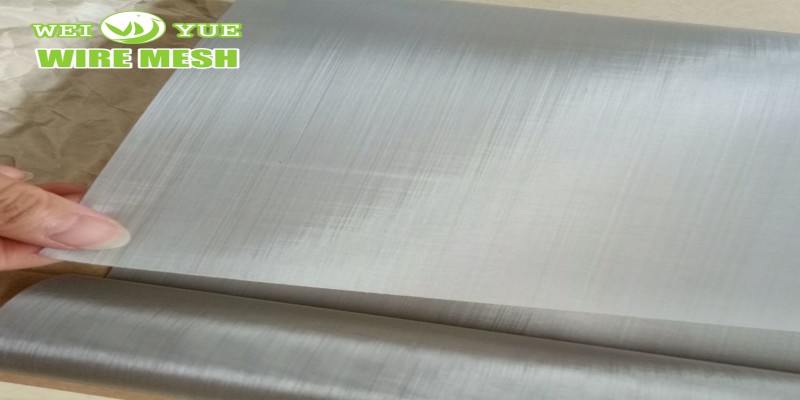
While 304 stainless steel mesh is a versatile option, 316 mesh provides superior performance in more challenging environments. The addition of molybdenum gives 316 the edge in terms of long-term durability and corrosion resistance.
● Marine and Coastal Environments: 316 stainless steel mesh is often the go-to choice for applications exposed to seawater, coastal air, or salty environments. Its superior resistance to chloride corrosion makes it the material of choice in marine industries, boat manufacturing, and coastal construction. This grade's ability to withstand the harsh conditions of salty air or water significantly extends its lifespan in these environments.
● Chemical and Pharmaceutical Industries: 316 mesh excels in industries where exposure to chemicals, acids, or harsh cleaning agents is common. It is frequently used in chemical processing, pharmaceutical equipment, and water purification systems. Its ability to resist pitting and crevice corrosion in highly acidic or alkaline conditions makes it indispensable in these applications.
● High-Humidity Settings: 316 stainless steel mesh is also better suited for environments with high humidity, such as breweries, swimming pools, or water treatment facilities. It resists corrosion caused by constant exposure to moisture, making it a long-lasting choice for settings where regular cleaning and high levels of humidity are factors.
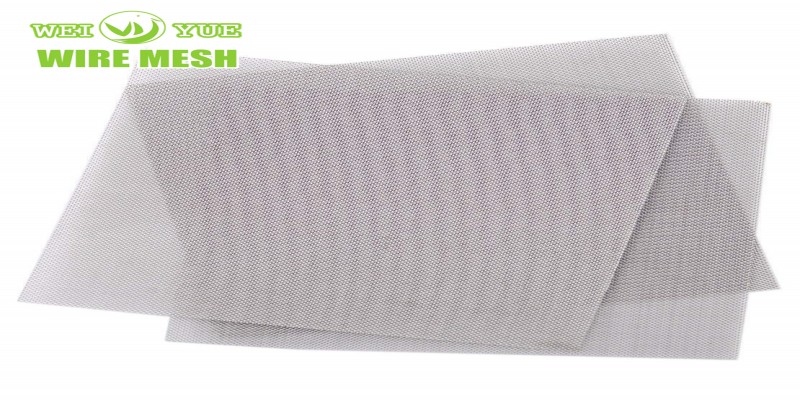
Choosing between 304 and 316 stainless steel mesh requires consideration of the long-term performance of each material in different environments. While 304 is more affordable, its durability may be compromised in harsh conditions.
Feature | 304 Stainless Steel Mesh | 316 Stainless Steel Mesh |
Cost | Lower upfront cost | Higher initial cost |
Corrosion Resistance | Good in mild environments | Excellent in aggressive conditions |
Lifespan | Shorter lifespan in harsh settings | Longer lifespan, especially in marine, chemical, and humid environments |
Maintenance Needs | Higher, if exposed to harsh elements | Lower maintenance due to corrosion resistance |
One of the first factors to consider when choosing between 304 and 316 stainless steel mesh is the price. While both materials are known for their durability, their costs can differ significantly due to their composition.
● 304 Stainless Steel Mesh: Generally, 304 mesh is more affordable than 316 mesh. This is primarily due to the absence of molybdenum in the alloy, which makes it a less expensive material to produce. For many applications where the environment is relatively mild and corrosion is not a major concern, 304 mesh offers a cost-effective solution.
● 316 Stainless Steel Mesh: On the other hand, 316 stainless steel mesh is more expensive. The addition of 2-3% molybdenum, which improves the alloy’s resistance to corrosion, especially in chloride environments, adds to its production cost. While this makes 316 mesh a more premium product, its enhanced properties often justify the higher price in certain applications.
When considering the cost of stainless steel mesh, it’s important to factor in both the initial purchase price and the long-term cost of ownership, which includes maintenance and replacement costs over time.
● 304’s Value: While 304 stainless steel mesh offers a more budget-friendly price tag upfront, it can lead to higher long-term costs in some cases. If used in environments that are harsher than expected, 304 mesh may experience premature wear, corrosion, or failure, resulting in the need for more frequent replacements or repairs. This can make the initial savings less valuable in the long run.
● 316’s Lifetime Value: Although 316 stainless steel mesh comes with a higher initial cost, its superior corrosion resistance often results in lower maintenance and replacement costs. Over time, the added investment in 316 can be justified by its longevity and reduced risk of failure, especially in environments prone to high humidity, salt exposure, or chemical corrosion.
Feature | 304 Stainless Steel Mesh | 316 Stainless Steel Mesh |
Upfront Cost | Lower initial cost | Higher initial cost |
Corrosion Resistance | Good in mild environments | Excellent in harsh environments |
Maintenance & Repairs | Higher if exposed to harsh conditions | Lower, as it resists corrosion longer |
Lifespan | Shorter in aggressive environments | Longer lifespan, ideal for challenging conditions |
● Cost vs. Risk: The decision between 304 and 316 stainless steel mesh is not always purely about price. It’s essential to assess the potential risk of failure in the environment where the mesh will be used. In high-risk applications—such as in marine, chemical, or pharmaceutical settings—choosing 316 mesh may be worth the extra cost, as the risk of equipment failure, increased downtime, or costly maintenance can far exceed the initial investment.
When evaluating the total cost of ownership, consider the risk factors associated with corrosion and the long-term reliability of your mesh. In industries where failure could have significant consequences, the durability and performance of 316 may justify the extra expense.
Before selecting the right stainless steel mesh, it’s crucial to evaluate the environment where it will be used. Environmental factors play a significant role in determining which mesh grade will provide the best performance and longevity.
● Exposure to Salt or Chemicals: If your project is located near seawater, in a chemical plant, or in an environment prone to acid or salt exposure, 316 stainless steel mesh is likely the best choice. The added molybdenum in 316 enhances its resistance to chloride-induced corrosion, making it the superior option for marine or chemically aggressive settings. In contrast, 304 stainless steel mesh is better suited for low-risk environments where such exposure is minimal.
● Temperature and Humidity: Fluctuations in temperature and high-humidity conditions can affect the durability of stainless steel mesh. 316 mesh performs better in these conditions due to its higher resistance to corrosion, especially in settings like breweries, swimming pools, or water treatment facilities. 304 mesh, while still resistant, may begin to show signs of wear in environments with high moisture or extreme temperature changes.
Choosing the right mesh grade also depends on the specific use case and the project requirements. While both 304 and 316 stainless steel mesh offer excellent performance, understanding the application is essential to making the right decision.
● Choosing Based on Use Case: If your project involves indoor use, low-risk environments, or general manufacturing, 304 stainless steel mesh offers a cost-effective solution. It is ideal for architectural purposes, filtration, and food processing applications where exposure to harsh elements is limited. On the other hand, if the mesh will be exposed to harsh chemicals, high humidity, or marine environments, 316 stainless steel mesh is the better option for long-term durability.
● Mesh Specifications: In addition to choosing the right alloy grade, it’s important to select the appropriate mesh size, wire diameter, and configuration. For instance, the finer the mesh, the more precise the filtration, and the more robust the wire diameter, the stronger the material will be. These specifications, along with alloy grade, ensure that the mesh will meet your project’s requirements and perform optimally under expected conditions.
When selecting stainless steel mesh, it's essential to consider the long-term costs associated with each grade. This includes not just the initial investment but also factors like maintenance, replacement, and the potential cost of failure.
Feature | 304 Stainless Steel Mesh | 316 Stainless Steel Mesh |
Initial Cost | Lower upfront cost | Higher upfront cost |
Corrosion Resistance | Good in mild conditions | Excellent in harsh conditions |
Lifespan | Shorter lifespan in aggressive environments | Longer lifespan in challenging conditions |
Maintenance | Higher maintenance in tough environments | Lower maintenance and fewer replacements |
● Budgeting and ROI: When planning your project budget, consider both the initial cost and the total cost of ownership over the expected lifespan of the mesh. Although 316 stainless steel mesh comes at a higher price, its long-term durability and resistance to corrosion may result in lower maintenance and replacement costs, ultimately providing a better return on investment.
The main difference between 304 and 316 stainless steel mesh is 316’s superior corrosion resistance, thanks to its molybdenum content, making it ideal for harsh environments, while 304 suits less demanding applications. When selecting the right material, consider factors like environment, application, and total cost of ownership. Choosing the right stainless steel mesh ensures long-term performance and cost-effectiveness, a specialty of products offered by Hebei Weiyue Wire Mesh Products Co., Ltd..
A: The main difference between 304 and 316 stainless steel mesh is that 316 contains molybdenum, which enhances its corrosion resistance, particularly in chloride-rich environments. 304 is suitable for milder applications.
A: 316 stainless steel mesh is ideal for environments exposed to saltwater, chemicals, or high humidity, as its enhanced corrosion resistance ensures longer durability compared to 304.
A: 304 stainless steel mesh can be used outdoors in low-risk environments, but for harsh conditions such as coastal or chemical exposure, 316 is the better option due to its superior resistance to corrosion.


