
Views: 312 Author: Site Editor Publish Time: 2025-12-01 Origin: Site


Expanded metal mesh is a versatile and durable material used in a wide range of industries, including construction, architecture, and manufacturing. Unlike traditional welded or woven wire mesh, expanded metal mesh is created by transforming a single sheet of metal into a mesh pattern through a unique process of expansion, rather than weaving or welding. This gives it enhanced structural integrity and a variety of practical applications. Understanding how expanded metal mesh is made can provide insight into its benefits, the materials used, and the reasons it’s an excellent choice for various projects.
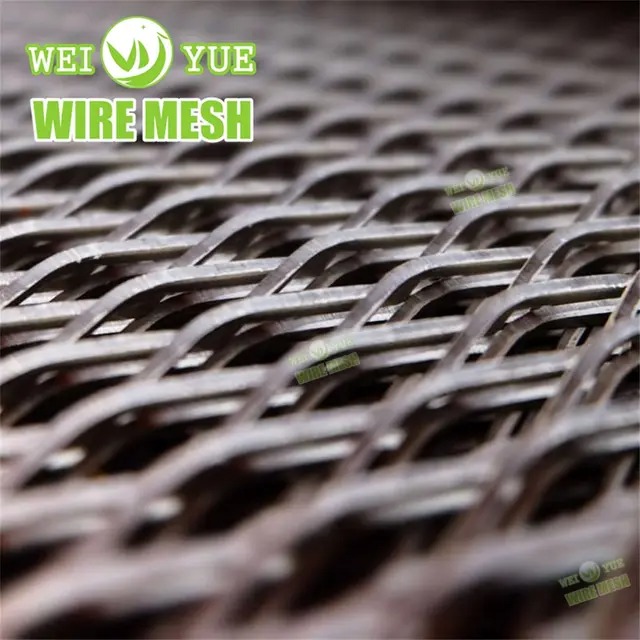
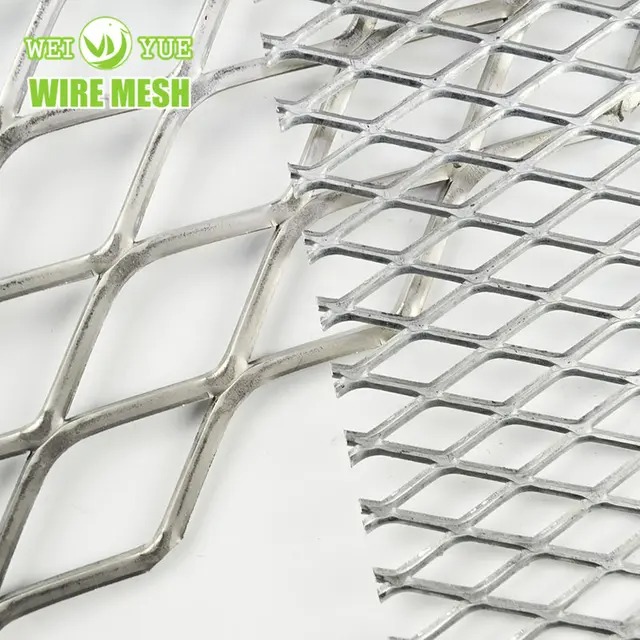
Expanded metal mesh is a metal sheet that has been slit and stretched into a lattice pattern. This pattern consists of diamond-shaped openings that are uniform across the sheet, giving the material its characteristic appearance. What sets expanded metal mesh apart from other types of mesh is the way it is made—through a mechanical process of expanding a single sheet of metal rather than weaving or welding separate wires.
The metal sheet is subjected to a precise cutting and stretching process that creates an interconnected structure. This process results in a rigid, lightweight material with high strength-to-weight ratio, making it an ideal choice for applications requiring both durability and flexibility. Expanded metal mesh comes in various thicknesses, sizes, and materials, offering versatility for a wide range of uses.
The production of expanded metal mesh involves several key steps, each essential for achieving the strength, uniformity, and desired pattern. Let’s take a closer look at each stage in the manufacturing process.
The first step in making expanded metal mesh is the selection of the right raw material. The most commonly used materials are steel, aluminum, and stainless steel, though other metals like copper and brass can also be used, depending on the application.
Steel: Often used for its strength and cost-effectiveness, steel expanded metal mesh is commonly employed in construction and security applications.
Aluminum: Lightweight, corrosion-resistant, and versatile, aluminum expanded metal is typically used in decorative and architectural applications.
Stainless Steel: Known for its corrosion resistance and strength, stainless steel expanded metal mesh is used in environments where durability is a key factor, such as in chemical plants and marine environments.
Once the material is chosen, it is cut into sheets of the desired size, ready for the expansion process.
The metal sheets are fed into an expanding machine, which cuts the metal and stretches it to form the characteristic diamond-shaped holes. This is the core of the expanded metal mesh creation process. There are a few key steps involved:
Slitting: The metal sheet is first slotted or slit, which creates a series of cuts along the metal. These slits are spaced evenly apart to form the potential diamond pattern.
Stretching: Once slotted, the sheet is pulled or stretched to expand the material. This stretching process causes the slits to widen, forming the diamond-shaped openings.
The result is a single piece of metal that has been expanded without losing any material. The number of slits and the degree of stretching will determine the size of the openings and the overall strength of the mesh.
After the metal sheet has been expanded, it is further processed to achieve the desired final shape. This includes:
Flattening: Some expanded metal meshes are flattened to provide a smoother surface and to improve handling.
Forming: In certain cases, the mesh is formed into specific shapes, such as rolls or sheets of specific dimensions.
This stage ensures that the expanded metal mesh is ready for transportation and use in different applications, whether it is rolled up for easy handling or cut to a precise size for installation.
Expanded metal mesh comes in various styles, each suited to different needs. These can range from basic, structural designs to decorative or heavy-duty meshes used in demanding industrial settings.
This is the standard form of expanded metal mesh, characterized by uniform diamond openings. It is commonly used in applications that require strength and rigidity, such as fencing, platforms, and walkways.
As the name suggests, decorative expanded metal mesh is used primarily for aesthetic purposes. It features more intricate patterns and finishes, and is often used in architecture and interior design for features like partitions, cladding, and ceilings. The design options are limitless, ranging from geometric patterns to organic, nature-inspired shapes.
For applications requiring high load-bearing capacity, such as industrial machinery or security fencing, heavy-duty expanded metal mesh is the go-to option. It is typically made from thicker materials, which contribute to its enhanced strength and durability.
The versatility of expanded metal mesh allows it to be used across a broad range of applications. Its unique combination of strength, lightweight nature, and flexibility makes it an ideal material for:
Construction: Used for reinforcing concrete, creating guardrails, and forming the framework for scaffolding.
Security: Often found in fencing, gates, and barriers due to its strength and ability to provide visibility.
Architecture: Popular in both exterior and interior applications for decorative facades, ceilings, and partitions.
Industrial: Used for platforms, walkways, and as protective mesh for machinery.
The material is also frequently used in the creation of walkways, grilles, and even filtration systems, where its open design helps with airflow while offering physical protection.
Expanded metal mesh offers several distinct advantages over other forms of mesh and materials:
Strength and Durability: The expansion process creates a mesh with no joints, welds, or weak points, making it incredibly strong.
Lightweight: Despite its strength, expanded metal mesh is lightweight, which makes it easy to handle and install.
Cost-Effective: Because the material is expanded from a single sheet, there is no waste, which makes it a cost-effective option.
Versatility: Available in a range of materials, sizes, and patterns, expanded metal mesh can be tailored to meet specific project needs.
Security: Its robust structure is ideal for security applications, providing both a physical barrier and visibility.
Maintaining high-quality standards is crucial in the production of expanded metal mesh. Rigorous quality control measures ensure that the final product meets the required specifications for strength, appearance, and functionality. Quality control includes:
Material Testing: Ensuring the raw materials meet the required standards for durability and strength.
Pattern Inspection: Checking that the mesh pattern is consistent and uniform.
Strength and Durability Testing: Conducting tests to measure the mesh’s load-bearing capacity and overall structural integrity.
Finish Quality: Inspecting the surface finish of the expanded metal mesh, especially for decorative applications.
The process of making expanded metal mesh is a highly specialized one that involves precise manufacturing techniques to create a material that is strong, versatile, and cost-effective. By expanding a single sheet of metal into a mesh pattern, the process ensures there are no weak points, making the material incredibly durable. Whether for architectural, industrial, or security applications, expanded metal mesh has proven itself to be an essential material for a wide variety of uses. With its strength, lightweight nature, and flexibility, it continues to serve industries that require reliable, cost-effective solutions.
Q1: What materials are used to make expanded metal mesh?
A1: Expanded metal mesh is typically made from materials such as steel, aluminum, stainless steel, copper, and brass, depending on the intended application.
Q2: What is the difference between regular and decorative expanded metal mesh?
A2: Regular expanded metal mesh features a simple, uniform diamond pattern and is used primarily for structural purposes, while decorative expanded metal mesh offers more intricate and aesthetically pleasing designs, often used in architectural applications.
Q3: Can expanded metal mesh be used for fencing?
A3: Yes, expanded metal mesh is commonly used in fencing applications because it provides strength and security while allowing visibility.
Q4: How is expanded metal mesh different from welded wire mesh?
A4: Unlike welded wire mesh, which is made by welding individual wires together, expanded metal mesh is created by slitting and stretching a single sheet of metal, making it stronger and more durable.
Q5: Is expanded metal mesh environmentally friendly?
A5: Yes, expanded metal mesh is an environmentally friendly material, as it is made from durable, recyclable metals and the manufacturing process results in minimal waste.


