
Views: 0 Author: Site Editor Publish Time: 2026-03-23 Origin: Site


Can mice really chew through everything in their path? Not when the barrier is high-quality stainless steel mesh. This matters if you want lasting protection from rodent entry and damage. In this article, you will learn why it works, how to choose the right mesh, and which mistakes can weaken your results.
Mice, like many rodents, have a natural instinct to gnaw continuously throughout their lives. This behavior is vital for maintaining their ever-growing teeth, which can reach lengths of up to 2 inches per month. In their quest to trim their teeth, mice will target soft materials like wood, plastic, rubber, and even thin metals such as aluminum. These materials provide little resistance to their sharp, iron-enriched incisors, which are designed for biting through less durable substances.
However, when faced with harder materials like stainless steel, mice encounter a significant challenge. The dense, solid structure of stainless steel prevents their teeth from easily penetrating. Unlike softer materials, stainless steel doesn't yield to their gnawing efforts, making it a reliable barrier. While mice may still attempt to chew, the toughness of stainless steel mesh discourages them from continuing, as it offers no reward for their persistence.
The effectiveness of stainless steel mesh in rodent control can be attributed to its unique physical properties. Stainless steel is inherently strong and durable, with a high tensile strength that makes it resistant to breaking, bending, or being chewed through by rodents. The wire thickness and weave of the mesh play crucial roles in ensuring its strength. When manufactured properly, the mesh has minimal gaps that are too small for mice to squeeze through, even if they manage to reach the mesh.
Additionally, the surface of stainless steel is often sharp and abrasive, which adds another layer of protection. If a mouse attempts to chew through the mesh, the rough texture can irritate its teeth and gums, discouraging further attempts. This combination of hardness and discomfort makes stainless steel mesh one of the most effective solutions for preventing rodents from entering spaces.
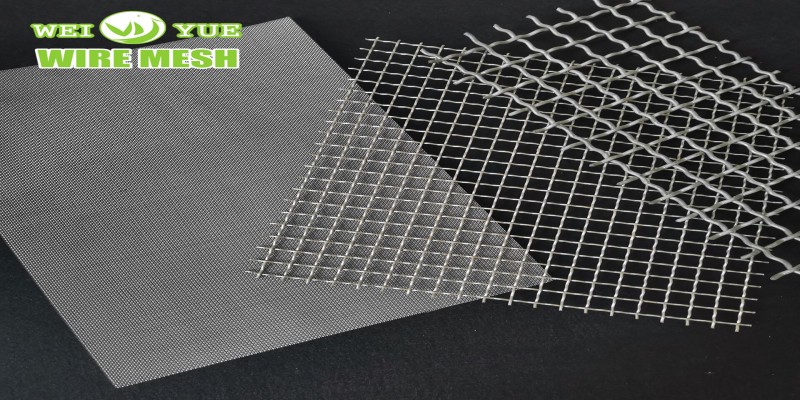
One of the most significant advantages of stainless steel mesh is its exceptional durability. Unlike other materials used for rodent control, such as steel wool or copper mesh, stainless steel does not rust or corrode over time. Its resistance to environmental factors, such as moisture, humidity, and temperature fluctuations, makes it an ideal long-term solution for rodent exclusion.
Stainless steel mesh, especially the higher-quality 304 or 316 grades, can withstand the elements for years without weakening. This durability ensures that the mesh remains effective over time, providing continuous protection without the need for frequent replacements. In environments where other materials might degrade, such as outdoor settings or humid areas like basements and crawl spaces, stainless steel mesh offers a reliable, low-maintenance option for rodent control.
Choosing the right stainless steel mesh starts with two practical questions: how small are the openings, and how strong is the wire? Mice can squeeze through gaps that look far too small to matter, which is why mesh size is the first thing to check. For rodent exclusion, openings should generally be 1/4 inch or smaller. Anything larger can leave enough space for mice to push through, especially around utility lines, vents, and irregular wall openings. In some cases, a tighter mesh is even better, as long as airflow is still acceptable for the application.
Wire thickness matters just as much. A fine-looking mesh may still fail if the wire is too light and bends under repeated pressure. For mouse-proofing, heavier wire is more dependable because it resists chewing, deformation, and loosening over time. A useful benchmark is a wire diameter around 0.025 to 0.032 inches. That range provides a good balance between strength and workability, especially when the mesh needs to be cut, shaped, and fastened around awkward openings. If the material is too thin, it may become the weak point even when the hole size is technically correct.
The next decision is material grade. Both 304 and 316 stainless steel mesh are strong options for mouse-proofing, but they are not meant for exactly the same environments.
Factor | 304 Stainless Steel Mesh | 316 Stainless Steel Mesh |
Corrosion resistance | Good for standard indoor and general outdoor use | Higher resistance in salty, humid, or chemical-heavy conditions |
Durability | Reliable for most residential exclusion work | Better for demanding long-term exposure |
Typical applications | Homes, garages, basements, vents, sheds | Coastal homes, farms, greenhouses, marine or industrial sites |
Cost | More budget-friendly | Usually more expensive |
Best choice when | The area is dry or only mildly exposed | Moisture, salt air, or harsh weather is a concern |
For most homes, 304 stainless steel mesh is the practical choice because it combines strength, corrosion resistance, and reasonable cost. If the mesh will be used near the coast, in a greenhouse, or in other damp outdoor settings, 316 is often the smarter long-term investment because it holds up better under harsher conditions.
A common mistake is focusing only on the word “stainless” and ignoring the actual specifications. Not all stainless steel mesh is automatically mouse-proof. If the openings are too wide, the wire is too thin, or the grade does not match the environment, the barrier can fail long before the homeowner notices. Another mistake is buying mesh for appearance or airflow alone, without considering rodent pressure at the entry point.
To choose the best quality mesh, match the product to the job. For indoor home use, prioritize small openings and sturdy wire. For gardens, sheds, and greenhouses, choose a corrosion-resistant mesh that can handle weather exposure. For industrial or coastal settings, step up to 316 grade if moisture or salt is a long-term issue. The best stainless steel mesh is not simply the strongest one on paper, but the one whose size, thickness, and grade fit the exact conditions where mice are trying to get in.
Stainless steel mesh is highly effective for sealing entry points inside your home, where mice are often able to find their way in. Mice are skilled at squeezing through incredibly small gaps, sometimes as narrow as 1/4 inch. Common areas where stainless steel mesh can be installed include around pipes, vents, and small cracks in walls, floors, or ceilings. These areas are prime entry points for rodents, as mice can slip through even the tiniest openings.
In kitchens, bathrooms, and utility rooms, mesh can be used to cover gaps around pipes or vents, ensuring that rodents cannot enter the living space without compromising ventilation. It is also ideal for securing floor drains or foundation vents. Stainless steel mesh keeps pests out while still allowing for necessary airflow, which is critical for areas with high humidity, like kitchens or basements.
Stainless steel mesh proves invaluable for outdoor rodent-proofing, especially in gardens, sheds, or agricultural settings. Mice and other rodents often seek shelter and food in these areas, which makes them vulnerable to infestations. Stainless steel mesh is an effective and non-intrusive way to block rodents from entering raised garden beds, compost bins, or small outdoor structures like greenhouses, chicken coops, and tool sheds.
For gardens, stainless steel mesh can be placed under soil in raised beds to prevent burrowing rodents from accessing plant roots. It is also useful around sheds or greenhouses to secure vents, ensuring that airflow is maintained without allowing rodents access. Similarly, for compost bins, mesh acts as both a barrier and a means to keep airflow intact, preventing rodents from being attracted to organic matter.
Proper installation of stainless steel mesh is key to ensuring that it effectively prevents rodent entry. Here are some practical tips to help secure your mesh in place:
● Measure Accurately: Always measure the area you need to cover before cutting the mesh. It’s better to have slightly more mesh than to cut it too short, leaving gaps.
● Secure Firmly: Use appropriate fasteners, such as stainless steel screws, industrial-grade staples, or wire ties, to ensure that the mesh is firmly attached. This helps prevent it from loosening over time.
● Inspect for Gaps: Mice can squeeze through even the smallest of gaps, so ensure that all edges of the mesh are securely fastened. Also, check for potential entry points that might not be immediately obvious, such as under door frames, around utility lines, or in between walls.
● Regular Maintenance: Over time, even the best mesh can be damaged or degraded, especially in high-traffic areas or outdoor settings. Regularly inspect the mesh for any wear or damage and make repairs as needed to maintain its effectiveness.
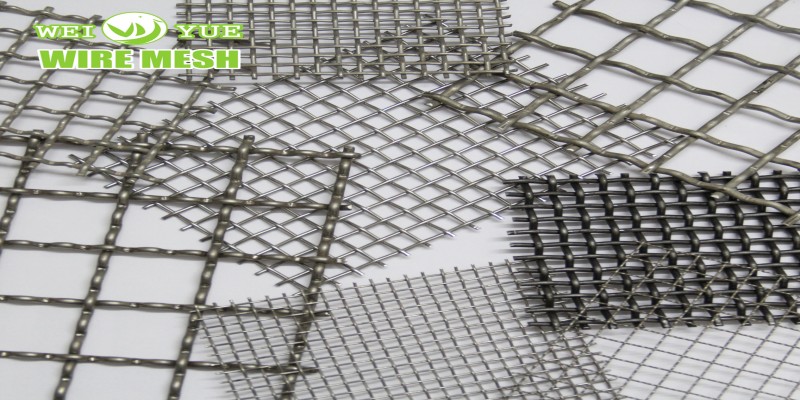
Even the best stainless steel mesh can fail to prevent rodents if it’s not the right size or isn’t installed properly. One common issue is selecting mesh with openings that are too large. Mice can easily squeeze through any gap that’s wider than 1/4 inch, so it’s crucial to choose a mesh with small enough openings to block their entry. Additionally, using mesh that’s too thin can lead to eventual failure, as mice will gnaw on it until they break through.
Improper installation is another frequent problem. Even if you select the correct mesh, poor installation can leave small gaps around the edges or improperly sealed areas. Mice are capable of squeezing through the tiniest of openings, so be sure to carefully measure and secure the mesh around all potential entry points. Use screws, washers, or staples to firmly attach the mesh, and ensure it’s tightly fitted without any gaps. Double-check areas around pipes, vents, and door frames, as these are common entry points.
Stainless steel mesh is highly durable, but environmental factors such as humidity, salt air, or exposure to harsh chemicals can cause corrosion over time. While 304 stainless steel mesh is suitable for general indoor use, it may not be sufficient in coastal or industrial areas where exposure to moisture or corrosive elements is constant. In such environments, it’s recommended to use 316-grade stainless steel mesh, which offers superior corrosion resistance.
To maintain the integrity of the mesh, ensure regular inspections. Check for signs of rust, bending, or weakening, especially in areas exposed to high humidity or chemicals. If any damage is found, replace or repair the mesh immediately to prevent rodents from exploiting the weakened sections.
While stainless steel mesh is highly effective, it works best when combined with other rodent control methods. Sealing cracks around windows, doors, and foundation gaps with appropriate sealants, or using weather stripping, ensures that there are no overlooked entry points. Additionally, maintaining a clean environment by eliminating food sources and nesting materials can discourage rodents from entering in the first place.
Traps and non-toxic repellents can also be effective in controlling rodent populations. Consider using traps near potential entry points to catch any rodents that may still try to gain access. A combination of prevention and control methods creates a more comprehensive and effective approach to rodent management.
When properly chosen and installed, stainless steel mesh is a strong and lasting barrier against mice. The right mesh size, wire thickness, and secure fitting all matter for effective mouse-proofing. For homes, gardens, and other properties, it offers a practical long-term solution. Hebei Weiyue Wire Mesh Products Co.,Ltd. provides durable stainless steel mesh products and dependable support, helping customers build safer, cleaner, and more secure spaces.
A: No. Properly specified stainless steel mesh is harder than rodent teeth and functions as a physical exclusion barrier.
A: For exclusion work, stainless steel mesh should typically use openings of 1/4 inch or smaller to stop mouse entry.
A: Yes. Even strong stainless steel mesh fails if edges are loose, gaps remain, or fastening is not secure.


