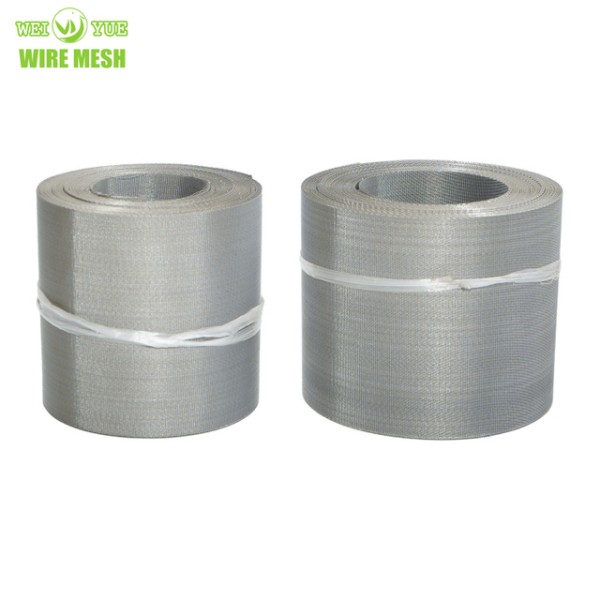
2026-03-30 Have you ever wondered where stainless steel mesh is used and why it's so popular? From food processing to industrial applications, this material plays a crucial role in various industries. In this article, we will explore the practical uses of stainless steel mesh,
Read More 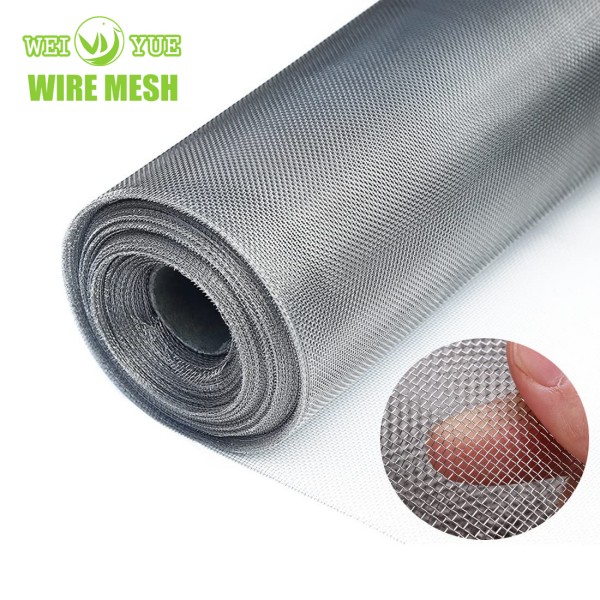
2026-03-25 When choosing the right material for your project, you may have come across 304 and 316 stainless steel mesh. Though they look similar, their performance in different environments can vary greatly. In this article,
Read More 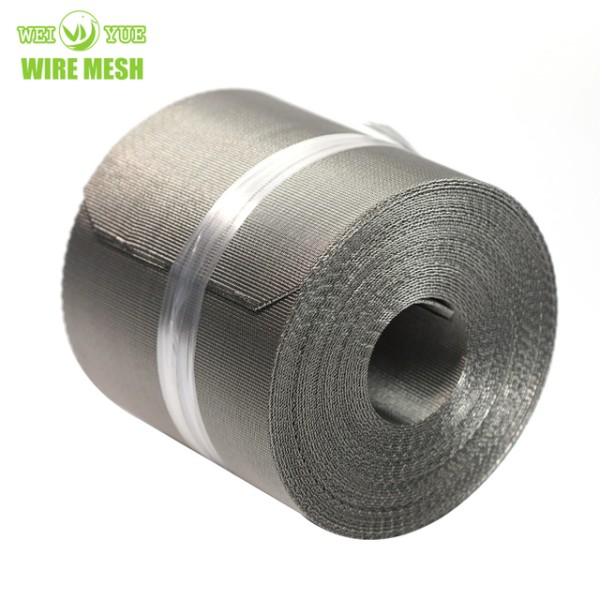
2026-03-24 Want stainless steel mesh to look darker, older, or less reflective? The challenge is that stainless steel resists surface change by design. In this article, you will learn why people oxidize stainless steel mesh, how the main methods work, and what to do before, during, and after treatment.
Read More 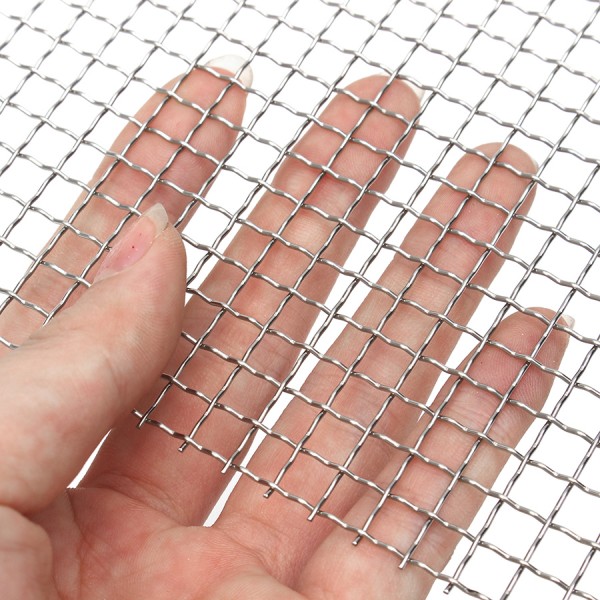
2026-03-23 Can mice really chew through everything in their path? Not when the barrier is high-quality stainless steel mesh. This matters if you want lasting protection from rodent entry and damage. In this article, you will learn why it works, how to choose the right mesh,
Read More 
2026-03-18 Dropped object safety nets are a critical last line of defense in high-risk environments, but their effectiveness is entirely dependent on their condition. Too often, safety programs rely on a "check-the-box" approach to inspection.
Read More 2026-03-18 In high-risk environments like construction sites and industrial facilities, dropped objects represent a severe and persistent threat. They are a leading cause of serious injuries and fatalities, capable of turning a routine task into a life-altering incident in an instant.
Read More 

