
Views: 0 Author: Site Editor Publish Time: 2026-03-13 Origin: Site


Industry | Common Applications |
|---|---|
Manufacturing | Machine parts, car parts, airplane parts, moving materials |
Construction | Support bars, building designs, custom fronts, window bars |
Electronics | Circuit supports, case hardware, medical electronics |
Jewelry Making | Fine jewelry, art pieces, fashion items |
Healthcare | Medical tools and parts |
Pick the correct wire temper for your project. Softer wire bends with less effort, but harder wire keeps its shape better.
Use tools like pliers and wire bending jigs. The right tool helps you make neat bends and shapes.
Safety is very important. Wear goggles and gloves to keep safe from sharp edges and flying pieces.
Get the wire ready before you bend it. Clean the wire and mark where you want to bend for better accuracy.
Do not bend the wire too much. If you bend it a lot, it can get weak and break easily.
You need to select the right temper before you start bending stainless steel wire. The temper tells you how hard or soft the wire feels. Each type works best for different projects. Here is a quick guide:
Wire Type | Bending Difficulty | Description |
|---|---|---|
Dead-Soft | Easy | Very flexible, perfect for detailed shapes, but not strong for heavy loads. |
Half-Hard | Moderate | Balances strength and flexibility, good for jewelry like ear wires and clasps. |
Full-Hard | Difficult | Very stiff, keeps its shape well, best for frames or supports, but hard to bend by hand. |
Tip: If you are new to working with stainless steel wire, start with dead-soft wire. It bends easily and helps you practice basic shapes.
You can use different tools to bend stainless steel wire. Your choice depends on the wire thickness and the shape you want.
Pliers: Use round-nose pliers for loops and curves. Bent-nose pliers help with tight spots. Flat-nose pliers give you control for straight bends.
Wire Bending Jigs: These tools help you make the same shape over and over. Place the wire around pegs to form curves or angles.
Hand-Crank Wire Benders: These work well for larger projects. You can set the size and shape, then turn the handle to bend the wire.
Powered Wire Benders: These machines help with thick or hard wire. You guide the wire while the machine bends it.
CNC Wire Benders: Factories use these for perfect, fast bends. They follow computer instructions for exact shapes.
Note: Always match your tool to the wire size and project needs. Thicker stainless steel wire may need powered tools.
Bending stainless steel wire can cause sharp ends or flying pieces. You should protect yourself with the right gear.
Safety Gear Item | Protective Function |
|---|---|
Safety Goggles | Shields your eyes from flying wire or debris. |
Cut-Resistant Gloves | Protects your hands from cuts and scratches. |
Steel-Toed Footwear | Guards your feet if you drop heavy tools or wire. |
Hearing Protection | Reduces loud noise from powered tools. |
Aprons or Protective Clothing | Covers your body from sparks or sharp wire ends. |
Respiratory Masks | Filters dust or fumes, especially when cutting or grinding wire. |
Always check your safety gear before you start. Good protection keeps you safe and lets you focus on your project.
You should always start by preparing your stainless steel wire. Clean the wire with a soft cloth to remove any oil or dirt. This helps you see your markings and prevents slipping. Use a ruler or measuring tape to mark the exact points where you want to bend the wire. A fine-tip marker or scribe works best for making clear marks.
If you work with thick or full-hard wire, consider gently warming the wire with a heat gun. This reduces stress and makes bending easier. Always secure the wire in a vise or with clamps to keep it steady while you work.
You can make clean 90-degree bends in stainless steel wire by following these steps:
Gather the right tools, such as square-nose pliers and a ruler.
Mark the spot where you want the bend.
Secure the wire in a vise or hold it firmly with pliers.
Grip the wire at the marked point with square-nose pliers.
Turn the pliers slowly to bend the wire to a right angle.
Check the angle with a small square or protractor.
Make small adjustments if needed, but avoid bending back and forth.
To create smooth curves in stainless steel wire, you need to use the right technique and tools. Here are some best practices:
Use sturdy, dedicated wire bending pliers to avoid damaging the wire.
Match your tool size to the wire gauge. This prevents kinks and uneven bends.
Consider using a wire bending jig for consistent shapes.
Gently warm the wire before bending if it feels too stiff.
Avoid making too many adjustments after the first bend. This helps prevent metal fatigue and keeps the curve smooth.
When you bend stainless steel wire, the metal experiences stress. The outer side stretches while the inner side compresses. This uneven stress can cause the wire to harden, a process called work hardening. Work hardening makes the wire less flexible and more likely to crack if you try to bend it again.
You can avoid work hardening by:
Planning your bends before you start.
Using proper lubrication to reduce friction.
Warming the wire gently if needed.
Annealing the wire if it becomes too stiff. Annealing means heating the wire and letting it cool slowly to soften it.
If you follow these steps, you can shape stainless steel wire without causing damage or unwanted hardening.
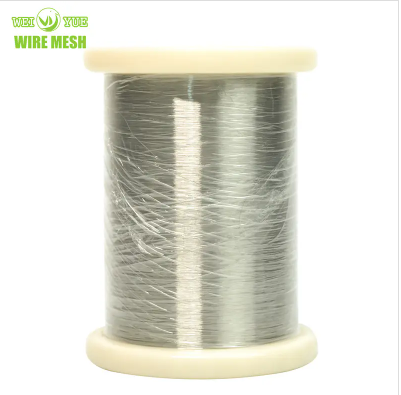
You can create spirals and coils by wrapping the wire around a round object, such as a dowel or metal rod. Start by securing one end of the wire with pliers. Hold the rod steady and wind the wire slowly, keeping each loop close together. For tight and even coils, use a jig or template. This helps you keep the shape consistent.
Some best practices for making spirals and coils include:
Inspect your coils for sagging or uneven spots.
Gradually increase heat if you use high-power tools to avoid thermal shock.
Make sure there is good airflow around the coil to prevent overheating.
Use ceramic insulators or mounts for safety and stability.
Keep all connection points clean and tight.
Specialized tools can make this process easier:
Customized titanium steel bending forming sleeves work well for large batches.
Custom-shaped carbon steel or stainless steel wire forming springs help with complex shapes.
Use wire cutters and pliers for basic bends.
Jigs or templates assist in creating uniform spirals and coils.
To form rings and loops, start by marking the wire where you want the curve. Use round-nose pliers to grip the wire at the mark. Gently twist your wrist to bend the wire into a loop. For a perfect ring, wrap the wire around a mandrel or a thick pen. Cut the excess wire with a wire cutter. Check the shape and adjust as needed.
Jigs help you hold the wire steady and bend it at the exact spot you want. Place the wire in the jig and press it against the pegs to form the desired shape. Hammering lets you apply force in a controlled way. Use a small hammer to tap the wire gently while it sits in the jig. This method gives you precise bends and helps you avoid mistakes.
For high-precision or high-quantity work, consider using:
Powered wire benders for thick or hard wire.
CNC wire benders for perfect, repeatable shapes in factories.
You can keep your stainless steel wire in good shape by following some best practices. The right tools and careful planning help you avoid common problems.
Best Practice | Description |
|---|---|
Selecting the Right Tools | Use strong, sharp cutters made for stainless steel. This gives you clean cuts and prevents cracks. |
Managing Wire Temper | Pick the right temper for your project. Softer wire bends easier, while harder wire holds its shape. |
Avoiding Overworking | Try not to bend the wire back and forth. Too much bending makes it brittle and easy to break. |
Proper Wire Gripping | Use pliers with good grip to hold the wire. This stops slipping and keeps the surface smooth. |
Surface Preparation | Clean the wire before you start. Dirt or oil can cause problems when you bend or join the wire. |
Underestimating Springback | Remember that stainless steel can spring back after bending. Bend a little past your mark for accuracy. |
If you make a mistake while bending, you can often fix it with the right steps:
Straighten the wire gently if you need to start over.
Mark your bending points lightly with a ruler or calipers.
Use round-nose pliers for smooth curves and flat-nose pliers for sharp bends.
Hold the wire close to the bend for better control.
Apply steady, even pressure to avoid kinks.
If the wire feels too soft, use pliers to harden it after bending.
Smooth any rough edges with a fine file or polishing cloth.
You should always put safety first when working with wire. Wear safety goggles to protect your eyes from flying pieces. Use cut-resistant gloves to keep your hands safe. Make sure your workspace is clean and free of clutter. Keep tools in good condition and check them before use. If you use powered tools, wear hearing protection. Never rush the process. Take your time to avoid accidents.
You can bend stainless steel wire if you follow some important steps. Begin with good materials and pick the right wire temper for your work. Use the best tools you have and make sure your workspace is safe. Try making different shapes to get better at bending wire. Find companies that can make custom wire shapes and use special machines for exact bends. Always pay attention to safety and try to be as accurate as you can.
Always bend the wire slowly and use the right tools. Avoid bending the same spot more than once. Choose the correct wire temper for your project. Softer wire bends easier and is less likely to snap.
You can bend thin or dead-soft stainless steel wire by hand. For thicker or harder wire, use pliers or a wire bender. Always wear gloves to protect your hands from sharp edges.
Round-nose pliers work best for small loops.
Use a mandrel for perfect circles.
Always grip the wire firmly to keep the loop smooth.
Yes, gently warming the wire with a heat gun can make it easier to bend. Do not overheat the wire. Too much heat can damage the metal and change its properties.
Use flat-nose pliers to straighten the kink. Work slowly and apply even pressure. If the wire feels weak after fixing, consider starting with a new piece for best results.


