
Views: 0 Author: Site Editor Publish Time: 2026-01-19 Origin: Site


You make your electrical wiring better with stainless steel fine wire. This wire does not rust or corrode easily. Your systems last longer, even in hard places. Many experts use stainless steel wire because it is strong and lasts a long time. It also has okay electrical conductivity. You see stainless steel wire in sensors, switches, and connectors. Fine stainless steel wire bends without breaking. You can use it where you need flexibility most.
Stainless steel fine wire does not rust or corrode. This makes it good for tough places. It helps electrical systems last longer.
The wire is strong and tough. It does not break easily, even when pulled. This means you do not need to fix it often. You can wait longer between repairs.
Stainless steel fine wire is flexible. You can bend it without breaking it. This helps you put it in small spaces quickly.
The wire lets electricity flow well. Signals move clearly through it. This makes it good for high-frequency jobs.
Using stainless steel fine wire means less fixing is needed. It also makes things safer. This gives you electrical systems that work well and last long.
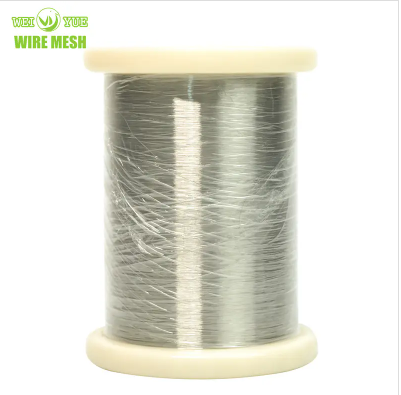
You want your electrical wiring to last a long time. Stainless Steel Fine Wire helps you achieve this goal. It resists corrosion and rust, even in wet or harsh environments. This means your wires stay strong and reliable. You do not have to worry about them breaking down quickly. When you use this wire, you reduce the risk of system failure. You also spend less time and money on repairs.
Tip: Regular cleaning and routine inspections help your wires last even longer. Avoid harsh chemicals to keep the wire strong.
You need wires that can handle stress and pressure. Stainless Steel Fine Wire gives you high strength and durability. It does not snap easily, even when you bend or twist it. This makes it perfect for wire harnessing and cable assembly. You can see how it compares to other metals in the table below:
Metal | Tensile Strength (Soft) | Tensile Strength (Hard) |
|---|---|---|
Copper | 34 ksi | 55 ksi |
Beryllium Copper | 68 ksi | 152 ksi |
Phosphor Bronze | 51 ksi | 110 ksi |
XHTW | 50 ksi | 62 ksi |
EHTW | 56 ksi | 68 ksi |
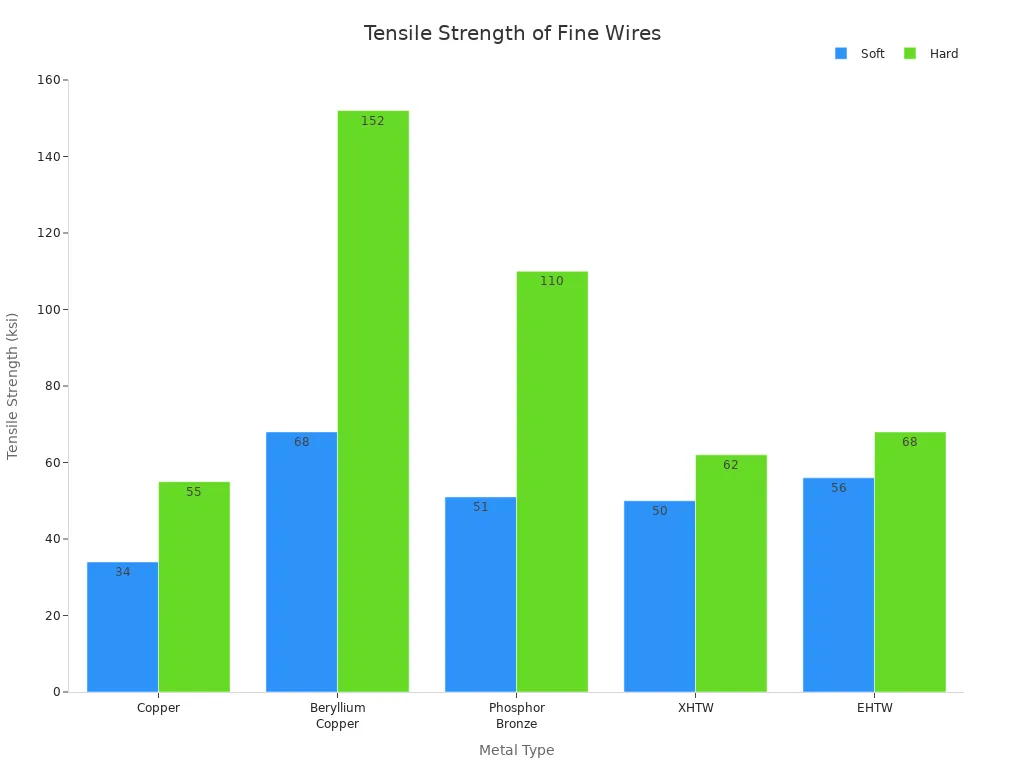
You can see that Stainless Steel Fine Wire stands out for its toughness. This strength means you can use it in places where wires face a lot of movement or vibration. You also get longer maintenance intervals because the wire does not wear out quickly.
Routine inspections help you spot problems early.
Cleaning keeps the wire free from dirt and corrosion.
Avoiding harsh chemicals keeps the wire strong.
You often need to bend wires around corners or fit them into tight spaces. Stainless Steel Fine Wire gives you the flexibility you need. It bends without breaking, which makes installation easier and faster. You can see the minimum bend radius for different wire sizes in the table below:
Gauge | Diameter (inches) | Minimum Bend Radius (inches) |
|---|---|---|
22 | 0.031 | 0.3 |
20 | 0.038 | 0.2 |
18 | 0.050 | 0.2 |
This flexibility helps you route cables in complex wiring harnesses. You save time during installation, especially in tight or tricky layouts.
Flexible wires make routing easier.
You spend less time making adjustments.
Stranded conductors are even more flexible than solid ones.
You want your wires to carry signals clearly and quickly. Stainless Steel Fine Wire offers good electrical conductivity. It works well for high-frequency signal transmission. You can use it in places with lots of electromagnetic interference, like telecommunications or aerospace. The wire’s high mesh count blocks unwanted signals and keeps your data safe.
Stainless Steel Fine Wire handles high-frequency signals well.
It works in tough environments with lots of interference.
You can trust it for data transmission in modern electronics.
You get reliable performance and strong connections when you choose Stainless Steel Fine Wire for your electrical systems.
You want your electrical system to send signals well. Stainless steel fine wire helps keep signals safe from outside noise. In factories, there is moisture, dust, and vibration. This wire works well in these tough places. It keeps your signals clear and strong.
The tough outer layer stops interference. Your signals stay steady.
Many layers protect the wire from rust and damage.
The passivation film on 316L stainless steel gives more rust protection. You do not have to worry about losing signals.
Multi-core designs stop signals from mixing. This is important when you send many signals at once.
Note: Using stainless steel fine wire means your system works well in hard places. Your equipment lasts longer and performs better.
You need wires that bend and move many times. Stainless steel fine wire does not get tired or break easily. Your wiring stays strong, even with lots of shaking or movement. You can trust it in machines that run all day or cars on bumpy roads.
The wire keeps its shape after lots of bending.
You avoid sudden problems that stop your system.
Your machines work smoothly with fewer stops.
You want your electrical system to be safe and easy to care for. Stainless steel fine wire helps you do both. It does not rust or tarnish, so you clean it less often. This lowers the chance of short circuits or fires from bad wires.
Here is a simple chart comparing maintenance:
Property | Copper Wire | Stainless Steel Wire |
|---|---|---|
Corrosion Resistance | Not good in wet or salty places | Very good; resists rust and tarnish |
Maintenance Needs | Needs cleaning and polishing often | Needs wiping sometimes; almost no upkeep |
Lifespan (Outdoor Use) | 6–18 months before it tarnishes | 5+ years with little damage |
Tip: If you pick stainless steel fine wire, you spend less time fixing and checking wires. You also make your system safer for everyone.
Sometimes, you need cables that work in hard places. High-performance cables use stainless steel fine wire for strong, flexible links. These cables can bend, pull, and twist without snapping. You see them in airplanes, trains, and factories. The wire’s strength keeps cables working when machines move a lot. You get less downtime because these cables last longer.
High-performance cables stand up to heat and chemicals.
They work well where there is lots of shaking.
They keep signals clear, even when it is noisy.
You want connectors and terminals that last for years. Stainless steel fine wire helps you get steady connections. The kind of stainless steel you pick changes how long connectors last.
316 stainless steel is best for places with salt, chlorine, or strong chemicals. It keeps connectors strong and steady for a long time.
304 stainless steel gives you a good mix of price and strength. You can use it in easier places and still get good results.
These choices help you make systems that need fewer repairs. Your connectors stay safe from rust and harm, so your equipment works better.
You find stainless steel fine wire in many new gadgets. Ultra fine wire helps make phones, wearables, and bendy circuits smaller and lighter. You get strong, tiny links that fit inside small devices. The wire’s bendiness lets you twist and bend gadgets without breaking the links.
You see this wire in bendy screens and sensors.
It helps make safe paths for electricity in tight spaces.
Top companies use it to build devices that sense and send lots of data.
Stainless steel fine wire helps make electronics smaller and smarter. You get gadgets that are both tough and clever.
You sometimes pick between stainless steel and copper for wires. Copper lets electricity move very well. It has less resistance, so power flows easily. Most homes and buildings use copper wires. Copper bends without much effort and costs less than stainless steel.
Stainless steel fine wire is stronger and fights rust better. You use it when wires need to last in hard places. Stainless steel does not tarnish or corrode as quickly as copper. This means your wires last longer, even outside or in factories.
Tip: Use copper if you want the best conductivity for indoor or low-voltage work. Choose stainless steel if you need wires to last in wet, dirty, or shaky places.
Here is a simple comparison:
Property | Stainless Steel | Copper |
|---|---|---|
Conductivity | Good | Excellent |
Corrosion Resistance | Very High | Moderate |
Strength | High | Moderate |
Cost | Higher | Lower |
Flexibility | Good | Excellent |
You might also look at stainless steel and aluminum. Aluminum wire is lighter than stainless steel. You see it in power lines and some electronics. Aluminum costs less and bends with little force. But it does not fight corrosion as well as stainless steel, especially near saltwater.
Stainless steel fine wire gives the best rust protection. The chromium oxide layer keeps it safe in tough places. Aluminum makes its own oxide film, but it can still corrode when touching other metals. This is a problem near the ocean.
Here is how they compare in harsh places:
Material | Corrosion Resistance | Vulnerabilities |
|---|---|---|
Stainless Steel | High resistance because of chromium oxide layer. | Can be heavy and cost more. Sometimes more than you need for easy jobs. |
Aluminum | Good resistance from its oxide film. | Gets galvanic corrosion, especially with other metals in salty areas. |
Note: Pick stainless steel fine wire for boats, docks, or chemical plants. Use aluminum if you want light weight and lower cost, but protect it well near water.
You improve your electrical systems when you choose Stainless Steel Fine Wire. This wire gives you many benefits:
Strong and hard to break
Resists rust and harsh chemicals
Needs little cleaning or care
Works in many different jobs
Saves money over time
Lasts long and stays reliable
Helps protect the environment
You get safe, long-lasting, and high-performing wiring. Try this wire in your next project for better results.
You get strong protection from rust and corrosion. Stainless steel fine wire keeps working in wet, salty, or dirty places. You do not need to replace it often. This saves you time and money.
Yes, you can. Stainless steel fine wire handles high-frequency signals well. You get clear data and less interference. This wire works in modern electronics and communication systems.
You can use it, but copper is more common in homes. Stainless steel fine wire works best where you need extra strength or corrosion resistance. Always check local codes before you choose.
Wipe the wire with a dry cloth to remove dust. Inspect it for damage during routine checks. You do not need harsh cleaners. Stainless steel fine wire needs less care than other wires.


