
Views: 0 Author: Site Editor Publish Time: 2026-01-19 Origin: Site


You want the best choice when strength and accuracy matter. Stainless steel fine wire gives you that edge. The chromium in stainless makes the wire resist rust and tarnish. You see high tensile strength and toughness in every strand. Many industries pick Stainless Steel Wire because it stays reliable in harsh heat or cold. With 0.015-0.08mm Stainless Steel Wire, you get flexibility and easy forming. Fine stainless steel wire stays strong, even in tough jobs.
Stainless steel fine wire does not rust or corrode. This makes it great for tough places like near the ocean or with chemicals. High tensile strength means the wire can do hard work and not break. This gives you trust in it for hard jobs. The wire bends easily, so you can shape it how you want. This helps when making small parts for medical tools or electronics. Stainless steel fine wire can take a lot of heat and strong chemicals. It keeps working well even in very hard conditions. Buying stainless steel fine wire saves money over time. It lasts long and does not need much care.
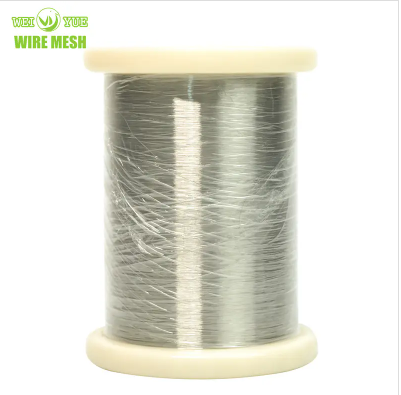
You want wire that can last in hard places. Stainless steel fine wire does not rust or corrode easily. Chromium in the wire makes a shield on the outside. This shield stops water and chemicals from hurting the wire. Molybdenum and nitrogen also help the wire fight rust. The PREN formula shows how well the wire resists pitting. More of these elements means the wire is safer from damage.
Here is a table that shows how different stainless steel fine wire grades handle corrosion:
Stainless Steel Grade | Corrosion Resistance Rating | Key Features |
|---|---|---|
SUS304 | Good | Balanced properties, widely used, good resistance to oxidation. |
SUS316 | Excellent | Enhanced resistance due to molybdenum, ideal for harsh environments. |
SUS410 | Moderate | Less effective in corrosive environments. |
SUS316 is best for stopping rust, so it works well in the ocean or with chemicals. SUS304 is good for most jobs in stores or factories. SUS410 is not as good for tough places.

Tip: Pick SUS316 stainless steel fine wire if you need the most rust protection.
You want wire that will not snap. Stainless steel fine wire is strong and tough. Cold drawing pulls the grains inside the wire to make them longer. This makes the wire even stronger. Work hardening makes the wire harder to break. Annealing takes away weak spots and makes the wire solid.
Cold drawing stretches the grains and makes them strong.
Work hardening makes the wire harder.
Annealing fixes weak spots and makes the wire tough.
This strength means you can use stainless steel wire for hard jobs.
You want wire that bends but does not break. Stainless steel fine wire bends easily and is simple to shape. You can twist it into small, detailed shapes for wire harnesses and cables. Medical tools use this wire because it bends and stays in place. Car and airplane makers like it because it is light and strong.
Fine wire bends and twists for tricky shapes.
It keeps its shape after you bend it.
You can use it for many jobs.
This lets you make exact parts for many things.
You want wire that stays strong when it gets hot. Stainless steel fine wire can handle heat up to 650°C for a long time. The wire does not get weak even after 1000 hours at this heat. This makes it great for jobs that need heat resistance.
Alloy Type | Maximum Temperature (°C) | Duration (hours) | Mechanical Property Stability |
|---|---|---|---|
316L | 650 | 1000 | Significant loss not observed |
316LSi | 650 | 1000 | Significant loss not observed |
16-8-2 | 650 | 1000 | Potential embrittlement noted |
Stainless steel fine wire also stands up to many chemicals. The shield on the wire keeps acids and bases from hurting it. If the shield breaks, the wire can rust faster. Strong acids like chloric and nitric acid can break the shield. This makes the wire lose its shine and rust more. For most jobs, stainless steel wire is safe from heat and chemicals.
Note: Always check where you will use your wire. Some strong acids can hurt even the best stainless steel.
You get a special mix of rust resistance, strength, bending, and heat safety. Nickel, molybdenum, and nitrogen make these things even better. Stainless steel fine wire is great for lasting a long time and being very exact in many jobs.
You need wire that can last in hard places. Stainless steel wire does not break down in saltwater or chemicals. It also works well in very hot or cold weather. Chromium in the wire makes a shield that stops rust and corrosion. This is why people use it for boats and chemical machines. You can see how 329 wire works in these jobs:
Key Features of 329 Wire | Applications |
|---|---|
Excellent resistance to corrosion, especially in chloride and marine environments | Marine and chemical processing equipment |
Stainless steel fine wire keeps its shape and strength, even in bad weather. This means you do not have to worry about it breaking when things get tough.
You want your projects to last a long time. Stainless steel wire helps you feel safe about that. The chromium in stainless steel stops rust better than galvanized steel. This wire is very strong and works well for many years.
Stainless steel wire fights rust better than galvanized steel.
Galvanized steel can last a long time, but stainless steel lasts even longer.
Stainless steel cable does not rust easily, so it is best for boats and places with bad weather.
If the outside gets scratched, stainless steel can make a new shield to stay strong.
Stainless steel wire lasts a long time, so you do not need to buy new wire often. This saves you money and time.
You do not need to fix stainless steel wire very much. Just clean it with soap and water to keep it nice. Check the wire sometimes to see if it is worn out or broken. If you use coatings, put on more when needed to keep the wire safe. When you need to change a part, pick good parts to keep everything working well.
Maintenance Practice | Description |
|---|---|
Regular Cleaning | Cleaning with mild detergent and water to prevent corrosion and extend lifespan. |
Periodic Inspections | Regular checks for wear or damage to address issues before they escalate. |
Coating Reapplication | Refreshing protective coatings to maintain resistance to environmental factors. |
Replacement Considerations | Replacing worn sections to ensure safety and performance, using quality suppliers for matching parts. |
Tip: If you follow a simple cleaning plan, your stainless steel wire will last longer.
Stainless steel wire is strong, tough, and lasts a long time. These things make it the best choice for big jobs where you need something you can trust. If you want wire that does not break, stainless steel wire is the best pick.
When you work with tiny parts, you need things to be exact. Stainless steel fine wire helps you get the right size and shape every time. It can keep sizes very close, from ±0.005mm to ±0.02mm. Some machines, like Wire EDM, can get even closer, down to ±0.002mm. This means your parts will fit together just right. This is important for electronics, medical tools, and other high-tech things. You can trust stainless steel fine wire for jobs that need to be very exact. When the wire is made so carefully, you make fewer mistakes and get better results.
Note: When your wire is always the right size, you save time and do not waste materials.
Stainless steel wire is used in many medical and electronic tools. In hospitals, it is in guiding catheters, stents, and braces for teeth. Doctors use it to give medicine or help fix bones during surgery. Wires for fixing bones and braces use this wire because it bends to fit each person. In electronics, stainless steel fine wire helps make small and smart gadgets. The FI finish means you do not need extra insulation, so you can make smaller parts. This makes your devices lighter and easier to use. When the wire is made, quality checks make sure every batch is the same. This is important for electronics that need to be just right. Medical tools need wire that is safe and strong. Electronics need wire that is tiny and works well.
Robots and machines need wire that moves just right. Stainless steel fine wire helps robots and machines work with care. Automation systems use cameras and tension control to guide the wire. When you use straight wire in bending machines or welding robots, you make fewer mistakes and work faster. Good tools and the right tension keep the wire moving smoothly. Modern factories use a lot of machines. They need wire that stays straight and strong to keep working. This helps you make more things and have fewer problems.
Tip: If you pick the right wire for your machines, you can work faster and stop less for repairs.
You want to choose wire that gives you the best results. Stainless steel fine wire stands out when you compare it to copper and aluminum. You see better strength, longer life, and more ways to use it.
Here is a table that shows how stainless steel fine wire compares to copper wire:
Property | Stainless Steel | Copper |
|---|---|---|
Tensile Strength | High tensile strength, comparable to structural steel | Lower tensile strength |
Durability | Exceptional durability, resistant to wear and harsh conditions | Less durable in harsh environments |
Hardening Capability | Can be hardened through heat treatment | Not typically hardened |
You notice that stainless steel fine wire has higher tensile strength. It does not wear out as fast as copper. You can harden it with heat, which makes it even stronger. Copper wire cannot do this. If you need wire for tough jobs, stainless steel fine wire gives you more power and lasts longer.
Aluminum wire is light and easy to bend. You might think it works well outside. In reality, stainless steel fine wire resists corrosion much better. The chromium in stainless steel forms a shield that blocks water and oxygen. This keeps the wire safe from rust. Aluminum has an oxide layer, but it does not protect as well in places like the coast. If you use wire outdoors, stainless steel fine wire stays strong and does not break down.
Tip: Pick stainless steel fine wire for projects that need strength and long life, especially in tough weather.
You want to save money and get good results. Stainless steel fine wire helps you do both. You spend less on repairs because the wire lasts longer. You do not need to replace it often. This saves you time and money over the years.
You get fewer breaks and less wear.
You spend less on maintenance.
You use the wire for many jobs, so you do not need different types.
Stainless steel fine wire costs more at first, but you save money because it lasts longer. You do not need to buy new wire often. You get better value for your projects. If you want wire that works well and saves money, stainless steel fine wire is the smart choice.
Stainless steel fine wire is great for being strong and exact. It does not break easily and does not rust. You do not need to fix it much. Many jobs use this wire, like in planes and hospitals.
Machines last longer because the wire does not wear out fast.
The wire stays strong when it is very hot or cold.
You can use it in pulleys and lifts because it stretches well.
Benefit | Description |
|---|---|
Strength | Can do hard work without breaking. |
Corrosion Resistance | Does not rust, even in tough places. |
Versatility | Works for many shapes and jobs. |
Cost-Effectiveness | Saves money because you fix it less often. |
Pick stainless steel fine wire for your hardest work. You can trust it to work well every time.
You get better strength and resistance to rust with stainless steel fine wire. The wire lasts longer and works well in many places. You can use it for jobs that need both toughness and accuracy.
Yes, you can use stainless steel fine wire in industrial applications. The wire handles tough jobs, high heat, and strong chemicals. You see it in factories, machines, and tools that need strong and reliable parts.
You should clean the wire with mild soap and water. Check it often for damage. If you see wear, replace the wire. This keeps your projects safe and working well.
Doctors trust stainless steel fine wire for medical tools. The wire does not rust and stays clean. You find it in braces, stents, and surgical devices. Always check for medical-grade quality before use.
Yes, you can use stainless steel fine wire in electronics. The wire gives you steady performance and fits in small spaces. It helps make strong and tiny parts for devices.


