
Views: 0 Author: Site Editor Publish Time: 2026-01-20 Origin: Site


You see stainless steel fine wire making big changes in aerospace engineering and cars. Engineers use Stainless Steel Wire in sensors and communication systems. These systems are very important for safety and good performance. Fine stainless steel wire is strong and works well in tough places. The car industry now uses Stainless Steel Wire for electric and self-driving cars. These features help you believe in the strength, trustworthiness, and safety of new technology.
Stainless steel fine wire is strong and light. This makes it great for aerospace and cars.
It does not rust easily, so it lasts longer. This helps keep things safe and reliable, even in tough places.
Stainless steel fine wire is precise and flexible. It helps make small and accurate parts for new technology.
Safety systems like airbags and seatbelts need regular checks. This makes sure they work right when needed.
In the future, stainless steel fine wire will mix with new materials. People will also care more about the environment. This helps both technology and nature.
Stainless steel is strong but not heavy. This helps make parts that are tough but light. In aerospace and cars, you need strong materials that do not weigh much. Stainless steel fine wire gives you this.
Tensile strength means the wire does not break when pulled hard.
Ductility lets you bend the wire into thin shapes without snapping.
Toughness helps the wire take hits and not break.
High tensile strength and durability make stainless steel fine wire great for important systems in planes and cars.
You want your parts to last a long time. Stainless steel does not rust easily. It protects your systems from water and chemicals. This is important for aerospace and car parts that get wet or hot.
Tip: Clean the wire often and remove dirt or chloride stuff. This keeps the wire strong and stops rust.
Here is a simple chart showing how stainless steel grades work:
Stainless Steel Grade | Corrosion Resistance | Applications |
|---|---|---|
304 | Good | Automotive racks, standard storage baskets |
316 | Superior | Marine, food processing, highly corrosive settings |
Stainless steel is used where you need things to work well for a long time. Corrosion resistance helps your systems stay safe and strong, even in hard places.
You need to be exact when making new technology. Stainless steel fine wire helps you build small, accurate parts for electronics and sensors. The wire bends into many shapes and sizes.
Tests show stainless steel fine wire keeps its shape and strength, even when it is very thin. You see this wire in aerospace, medical tools, and phones because it works well for tiny and precise jobs.
You can use stainless steel in many important systems.
The wire is reliable and always the same shape, so you can trust it in big projects.
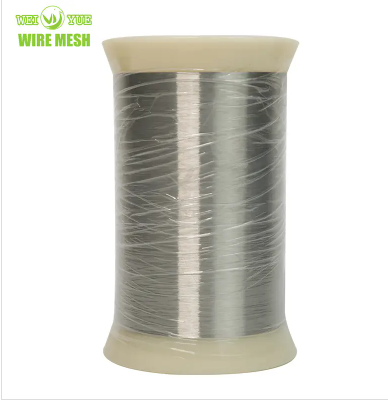
Ultra fine wire is used a lot in aerospace engineering. In avionics and instrumentation, stainless steel is in many key systems. These wires send signals and help keep aircraft safe. You can find them in communication, navigation, flight control, collision avoidance, and weather systems. Stainless steel wires are also in GPS satellites, weather satellites, and space probes. These wires collect data and send it to Earth. Stainless steel gives strong and steady connections. This helps systems work well, even when things get tough.
Note: Stainless steel wires help instruments stay safe and correct on every flight.
Wiring systems must last long and keep people safe. Stainless steel wires do this job well. They are used for safety cables, control cables, and wiring harnesses. These parts must work every time you fly. Stainless steel wires are very strong. They last long and do not break easily. They also resist rust and weather damage. Stainless steel is the most common alloy for aircraft cables. It gives strength and keeps systems safe in harsh places. Using these wires helps you trust your aircraft to work well.
Every part of an aircraft must stay together under stress. Stainless steel is important in superstructure joints. It is used for fasteners and connectors that hold the aircraft together. These parts cannot fail. Stainless steel gives high strength for heavy loads. It resists corrosion from rain and chemicals. It is durable for long flights. Using stainless steel in joints and safety systems makes aircraft safer. It lowers the risk of failure and keeps everyone protected.
Stainless steel fine wire is in many satellite systems. These wires help build strong and light frames for satellites. They are used in GPS satellites, weather satellites, and space probes. Stainless steel wires keep satellite systems working in space. They handle extreme temperatures and do not rust. These wires are needed for power, data, and control signals. Using stainless steel helps satellites last longer and send clear data.
Tip: Ultra fine wire helps you explore space and keeps your data safe.
Stainless steel fine wire is used in many parts of aerospace engineering. These wires help make systems safer, lighter, and more reliable. You get better performance and more safety in every flight and mission.
You trust your car to keep you safe. Airbags and seatbelts play a big part in that safety. Stainless steel helps these systems work every time you need them. In airbag igniters, thin stainless steel wire heats up fast and triggers the airbag in a crash. This quick action can save your life. Seatbelt springs also use stainless steel. These springs must stay strong and flexible for many years. Stainless steel resists rust and keeps its shape, so your seatbelt works when you need it most.
Tip: Regular checks of airbags and seatbelts help you stay safe on the road.
Modern cars use many electronic control systems. These systems help you drive safely and make your car smarter. Stainless steel fine wire gives you reliable connections inside these systems. You find this wire in connectors, sensors, and control units. It keeps signals clear and steady, even in tough conditions.
Stainless steel fine wire creates strong electrical contacts.
It resists corrosion, so your car’s electronics last longer.
You see this wire in sensors and wiring harnesses, which help your car run safely and smoothly.
You depend on these systems for things like anti-lock brakes, engine control, and even entertainment features. Stainless steel makes sure these parts work every time you start your car.
Self-driving cars use many sensors to see the world around them. These sensors need to be fast, accurate, and always ready. Stainless steel helps build these sensors. It keeps them working in rain, heat, or cold. You find stainless steel in radar, lidar, and camera systems. These sensors help advanced driver-assistance systems keep you safe by watching the road and reacting quickly.
Sensors in autonomous vehicles must send data without delay. Stainless steel wire keeps the signals strong and clear. This helps your car make smart choices and avoid accidents.
Car makers want to build lighter cars. Lighter cars use less fuel and go farther on a charge. Stainless steel wire helps make this possible. You see it in lightweight wiring harnesses that connect all the parts of your car. These harnesses must be strong but not heavy.
Ultra fine stainless steel wire gives you high strength with less weight.
It stands up to heat and rust, so your car stays safe and efficient.
Lighter wiring lets car makers add more features without making cars heavier.
You benefit from better fuel efficiency and longer battery life in electric vehicles. Stainless steel helps the automotive industry reach new goals for safety and performance.
Modern ways of making things help stainless steel fine wire work better. These methods make sure each wire is strong and ready for hard jobs. They are used in aerospace and cars. You can see how these new ways make wires safer and better.
Technique | Description |
|---|---|
Multi-stage drawing | Makes wire smaller step by step, so it gets stronger. |
Hydrostatic drawing | Uses high-pressure liquid to make smoother, thinner wire. |
Electroforming | Builds wire in layers for perfect size control. |
Laser ablation | Cuts wire with a laser for very good accuracy. |
Electron beam lithography | Shapes wire with focused electron beams. |
Chemical vapor deposition | Adds thin metal layers for clean, pure wire. |
MEMS fabrication | Uses light and chemicals to make tiny wire parts. |
Annealing | Heats wire to make it less breakable and more bendy. |
Spooling and coating | Wraps and covers wire to protect it and make it easy to use. |
Ultrasonic welding | Joins wire with sound waves, so it stays strong. |
In situ alloying | Mixes metals while drawing for better wire properties. |
Cryogenic processing | Cools wire to make it even stronger and better at carrying electricity. |
You need careful ways to join small wires. Micro-welding helps you do this.
Micro-welding does not touch the wire, so it does not hurt it.
It keeps heat low, so wires do not bend or melt.
You see micro-welding in electronics and medical tools where parts must fit just right.
Micro-welding lets you build tiny, tricky parts without losing strength or shape.
You want every wire to be safe and strong. Testing checks if wires are good enough.
Tensile and fatigue tests see if wires can take stress.
Corrosion tests show how wires handle salt, water, and chemicals.
Size checks make sure wires are the right thickness.
Lot traceability lets you follow each wire from start to finish.
You use rules like ASTM E8/E8M and ASTM A370. These rules test strength, bendiness, and what the wire is made of. They help you trust that each wire will work in important systems.
Special coatings make stainless steel wires even better. You can add things like thermoplastic polyurethane (TPU) to make wires stronger and more bendy. These coatings help wires fight scratches, wear, and bad weather.
Tests show that special coatings can make wires 30% stronger and 35% better at taking hits. Passivation puts a shield on the wire, so it lasts longer in hard places.
You get wires that work better and last longer, even when they move or shake a lot.
Tip: New surface treatments help your wires stay strong and safe for many years.
Stainless steel fine wire will work with new materials soon. Engineers use ultra-fine 15 μm stainless steel wires in electronic packaging. These wires are very strong and hard. They have long grains that help them last longer in tough jobs. Special heat treatments make these wires more bendy and less likely to break. This means electronics and other systems work better. You find these wires in wire bonding for microchips and sensors. Here, strength and accuracy are very important.
You want products that are good for the planet and last a long time. Stainless steel fine wire helps you reach these goals. More people want ultra fine wires because cars and planes need lighter parts. Electric vehicles use these wires for better connections and less weight. Wind and solar power systems also use ultra fine wires to work better. There are some problems, like changing prices for materials and strict rules for the environment. You also need skilled workers for new welding methods. Still, more companies recycle and reuse stainless steel wire. This makes the industry better for the planet.
Tip: Using ultra fine wire helps you build things that last longer and save energy.
Ultra fine stainless steel wire is used in many new technologies. The table below shows how different industries use these wires for new solutions:
Industry | Application |
|---|---|
Aerospace | Aircraft sensors, data systems, satellite antennas, and lightweight composites |
Telecommunications | Fiber optic cables, signal amplification, and modulation |
Consumer Electronics | Wearable tech, smartwatches, and hearing aids |
Automotive | ADAS sensors, cameras, and battery management in electric vehicles |
These wires help make products smaller, lighter, and smarter. You will see even more uses as research grows and new materials are made.
You can see stainless steel fine wire making cars safer and planes stronger. Experts say you need good parts and special wiring for electric cars and airplanes. The table below shows why ultra fine wire is important for safety, trust, and new ideas.
Description | Why It Matters |
|---|---|
Advanced electronics in cars | Helps make things better |
High-temp, high-voltage wiring for EVs | Makes things work well |
Extreme resilience in aerospace | Keeps people safe |
When you use ultra fine wire, you help build the future.
You get high strength, low weight, and strong resistance to rust. These wires work well in harsh places. You can trust them in safety systems and electronics.
Yes, you can recycle stainless steel fine wire. Many companies collect and reuse it. Recycling helps save resources and protects the environment.
You use tests like tensile strength, corrosion checks, and size measurements. These tests make sure the wire meets safety and performance standards.
You find it in airbags, seatbelt springs, sensors, and wiring harnesses. These parts help keep you safe and make your car work better.
Yes! Stainless steel fine wire keeps its strength in hot and cold places. You can use it in engines, satellites, and other tough environments.


