
Views: 0 Author: Site Editor Publish Time: 2026-01-17 Origin: Site


Property | Description | Application Example |
|---|---|---|
Strength | Expanded metal is stronger because of how it is made. | Construction and architectural uses |
Durability | There is no welding or waste, so expanded metal lasts longer. | Industrial applications |
Appearance | The mesh pattern gives a special look that can be used in design. | Decorative applications |

Think about what your project needs before you pick expanded metal. Look at things like how strong it should be, how it looks, and what you will use it for.
Pick the best material if you want it to last long. Steel is very strong but can get rusty. Aluminum is light and does not rust easily.
Make sure the thickness of the expanded metal fits how much weight it must hold. Thicker sheets can hold more weight but are also heavier.
Look at the mesh pattern if you need more air or want to see through it. Some patterns keep things safer or let in more light.
Pick the right coating to help it last longer and look better. Coatings stop rust and make your expanded metal look nicer.
Picking the right expanded metal starts with a simple plan. You need to match the sheet’s features to what you need. The expanded metal selection guide helps you avoid errors. It helps you pick the best choice for your project.
Start by writing down what your project needs. Think about what you want the expanded metal plate to do. Think about where it will be used. Think about how much weight it must hold. Think about how it should look. Many projects use the 4x8 size expanded metal sheet. This size fits most frames and panels. It is easy to move and install. You can cut it for small spaces. You can use the whole sheet for big areas. The 4x8 size saves money. It cuts down on waste and saves time when you put it in.
Here are some important things to think about:
Material properties like corrosion resistance, density, hardness, and magnetism.
Thickness and strength decide how much weight it can hold.
Coil width matters for big projects because wider coils cost less.
Weight and length are important if you want the structure to be light.
Surface treatments and coatings help with durability and looks.
Opening patterns and measurements include strand width and diamond size.
Tip: Always check if your project needs certified materials. Many industries want expanded metal plate with certifications from ASTM, ASME, or ISO. These standards make sure it is safe and good quality.
You need to match the expanded metal plate to your project. Different shapes and patterns work better for different jobs. The table below shows how your needs change your choice:
Shape | Application Characteristics |
|---|---|
Diamond | Strong, lets air flow, looks nice; used in platforms, security panels, fencing. |
Hexagonal | Very stiff and looks special; used in buildings and filters. |
Square | Looks even; used for machine guards, shelves, and fancy grilles. |
Louvered | Controls air and sunlight; used for vents and sun shades. |
Decorative | Custom shapes for special looks and uses. |
Strand Thickness | Changes open area, mesh strength, and how much weight it holds; thicker for support, thinner for seeing through. |
Flattening | Makes the surface smooth for better looks and accuracy; changes opening size. |
When you pick expanded metal, think about saving money. Using too strong materials costs more but may not help. For example, using high-grade stainless steel when a lower grade works fine costs extra. Do not forget about the environment. Using mild steel outside without coating can make it rust. Always check forming limits so the expanded metal plate does not crack or bend.
Here is an easy step-by-step way to pick the right expanded metal plate:
Learn the basic words and features of expanded metal sheet.
Measure the sheet’s size, thickness, strand width, and opening size.
Decide how strong the expanded metal plate should be.
Pick the metal type for lasting and rust resistance.
Check the opening size for air flow and seeing through.
Today, certified expanded metal plate is often needed. Codes, client rules, or insurance may require it. Ask for mill test reports or certificates to make sure your expanded metal sheet meets standards.
By using the expanded metal selection guide, you can avoid mistakes. Focus on the important things and match the expanded metal plate to your project. This helps you save money and makes sure your project lasts.
When you pick a material, you compare steel, aluminum, and stainless steel. Each expanded metal plate has good and bad points. You need to choose what fits your space and budget.
Here is a table with the main pros and cons:
Material | Advantages | Disadvantages |
|---|---|---|
Steel | Strong, lasts long, saves money | Rusts if not coated |
Aluminum | Light, does not rust easily | Not as strong as steel |
Stainless Steel | Does not rust, looks nice | Costs more than other choices |
Steel expanded metal plate is great for tough jobs. It is strong and does not cost much. If you use steel outside, you need to coat it so it does not rust. Aluminum expanded metal plate is light and easy to carry. It does not rust, so you can use it outside or in wet places. Stainless steel expanded metal plate looks the best and does not rust. It costs more, but it lasts longer and stays clean.
Tip: To save money on big jobs, buy expanded metal sheet in large amounts. This makes each piece cheaper and helps you spend less.
You should think about how long your expanded metal plate will last. You also need to know how well it handles weather. The right expanded metal plate keeps its shape and does not break easily. Here is a table that shows how durable and rust-resistant each material is:
Material | Durability Rating | Corrosion Resistance Rating |
|---|---|---|
Stainless Steel | High | Best |
Aluminum | Moderate | Very good |
Carbon Steel | Moderate | Not as good as stainless |
Expanded metal plate made from stainless steel works best in tough places. Aluminum expanded metal plate also does not rust, so it is good for outside use. Carbon steel expanded metal plate needs a coating if you use it outside. Expanded metal sheet stays strong because it does not have welded parts. This helps it last longer in rain, sun, or places that shake.
Expanded metal plate does not rust if you pick the right material.
It keeps its shape and strength outside.
You get better weather protection with galvanized or stainless steel expanded metal plate.
When you pick the right expanded metal plate, think about where you will use it, how much you want to spend, and how long you need it to last. The right expanded metal plate keeps you safe, saves money, and fits your project.
There are different types of expanded metal. Each type works best for certain jobs. The most common types are standard, flattened, and grating. Look at the table below to see their main features:
Type | Characteristics | Advantages | Disadvantages |
|---|---|---|---|
Standard Expanded Metal | Raised surface, made from a single sheet with punched holes and stretched strips | Greater structural strength, directional flow, higher-grade gripping properties | Not aesthetically pleasing, heavier, higher delivery costs |
Flattened Expanded Metal | Smooth surface, produced by cold rolling standard expanded metal | Lower material weight, smoother appearance, corrosion-resistant | Not as strong, poorer grip for walkways |
Expanded Metal Catwalk Grating | Thick, heavy-duty mesh with large openings and high load capacity | Excellent for catwalks, platforms, and industrial floors | Heavier, may need extra support |
Expanded metal catwalk grating is used for walkways and platforms. It gives strong support and keeps people safe. Standard expanded metal is good for fences and machine guards. Flattened expanded metal is best when you want a smooth look.
Mesh size and pattern change how expanded metal works. You need to pick the right mesh for your job. The size of the holes and the pattern affect strength and airflow. They also change how it looks. Here are some ways mesh size and pattern matter:
Standard expanded steel mesh is strong and holds heavy weight. It is used in building and machines.
Expanded stainless steel mesh does not rust. It is good for food and medical places.
Galvanized expanded metal mesh stops rust. It works well for building and fences.
Aluminum expanded metal mesh is light and looks nice. It is used for decoration and buildings.
Expanded copper mesh carries electricity well. It is used for power and electronics.
Guardrail steel mesh uses thick plates for roads and safety.
Architectural expanded steel mesh makes buildings stronger and prettier.
Slope protection expanded mesh keeps riverbanks safe.
Expanded metal plate comes in many patterns and designs. These patterns help you pick the right mesh for your project. The mesh pattern changes how easy it is to put in and take care of the sheet. Expanded metal catwalk grating is strong but not too heavy. It does not need many checks. Woven wire mesh can get loose and needs more care. Welded wire mesh is easy to put in and stays in place.
If you want a safe catwalk, use expanded metal catwalk grating. For decoration, choose expanded metal plate with special patterns. Always match the expanded metal to your needs. This helps your project work well and stay safe.
When you pick an expanded metal sheet, think about thickness. Thickness changes how strong and heavy the expanded metal plate is. Thicker sheets are stronger and last longer. You get more strength for each pound with thicker expanded metal plate, but it also gets heavier. Extra weight can make putting it in place harder. It might not work for every project. If you want something light, thinner expanded metal plate is better for jobs that do not need to hold much weight.
The strength-to-weight ratio helps you know if the expanded metal plate is right for your job. For example, walkways and platforms need a high strength-to-weight ratio. This helps them hold people or equipment safely. Thicker expanded metal plate is best for tough jobs that need to hold a lot of weight. Thinner sheets are good for decoration or screens where being light matters more than being strong.
Tip: Always match the thickness to how much weight your project needs to hold. If it is too thick, it costs more and is harder to move. If it is too thin, it might not be safe.
You need to pick the right thickness for your load needs. The right expanded metal plate will hold the weight and last longer. If you need to hold a lot of weight, pick a thicker expanded metal plate with smaller mesh holes and wider strands. This makes the sheet stronger and helps it carry more weight.
If you need more strength: Pick a plate with wider strands and smaller holes. A thicker metal and tighter diamond pattern means more metal to hold weight.
Application: What you use it for decides how strong and tough it needs to be. Fencing needs stronger material than decoration.
Strength and Load-Bearing Capacity: Big projects or ones that hold a lot of weight need thicker strands and heavier gauge.
Material Properties: Steel is very strong but heavier than aluminum, which is lighter and does not rust as easily.
How thick the expanded metal plate is also changes cost and how well it works. Thicker expanded metal plate costs more at first but lasts longer and needs less fixing. Thinner sheets save money for light jobs but might wear out faster.
Thickness Impact | Description |
|---|---|
Load-bearing capacity | Thicker sheets hold more weight, so they are good for factories and big jobs. |
Resistance to wear and impact | More thickness helps the plate last longer against hits and damage. |
Environmental resistance | Thicker metal protects better from water and chemicals, so you fix it less. |
When you think about thickness, you make sure your expanded metal plate is strong, lasts long, and does not cost too much. Always check the strength-to-weight ratio and pick the right thickness for your project’s needs.
When you choose an expanded metal plate, you need to think about how much open area it has. The open area percentage tells you how much space in the mesh lets air, light, and liquids pass through. A higher open area means better airflow and more light. This helps with ventilation and natural lighting in buildings. You can use expanded metal plate in places where you want to keep air moving and reduce heat.
Expanded mesh can cut down glare and make spaces more comfortable for people.
You can use expanded mesh as a sunshade to lower heating and cooling costs.
The design of expanded metal plate lets you control how much light and air get through, which helps manage light pollution.
You can pick different mesh patterns to get the right balance of visibility and airflow for your project.
If you want to improve comfort and energy efficiency, look for the right expanded metal plate with a higher open area. This choice helps you create a better space for work or living.
Expanded metal plate gives you strong protection and meets many safety requirements. You can use it for barriers, fencing, and covers where security matters. The design of expanded metal plate makes it hard to break or cut, so it works well for places that need extra security. At the same time, the mesh lets you see through and keeps air moving. This helps you watch over areas while still keeping them safe.
Expanded metal plate offers flexibility. You can choose a mesh with smaller openings for more privacy or larger ones for better visibility. This way, you get the level of security and privacy you need. The strength of expanded metal plate also means it lasts a long time and stands up to damage. You can trust it to protect your property and meet your security needs.
Note: Always match the open area and mesh size to your security and privacy needs. This helps you get the best results for your project.
You can help your expanded metal plate last longer with a good coating. Coatings stop rust, bad weather, and damage. If you use expanded metal plate outside or in wet places, coatings are very important. Here is a table that shows different coatings and what they do:
Coating Type | Benefits |
|---|---|
Pure Aluminum Coatings | Stops rust from forming |
Aluminum Alloy Coatings | Works well in tough places |
Ceramic-Reinforced Aluminum Coatings | Blocks heat and resists wearing out |
Anodized Aluminum Coatings | Makes it harder and stops rust |
Thermal Spray Aluminum (TSA) Coatings | Great for hard jobs |
Aluminum coatings make a strong shield against rust and sun. You do not have to fix the plate as much because the coating keeps it safe. Coatings also make the expanded metal plate stronger, so you save money over time.
Tip: Pick a coating that fits where you will use your designer expanded metal. The right coating helps you avoid repairs and keeps your expanded metal plate looking new.
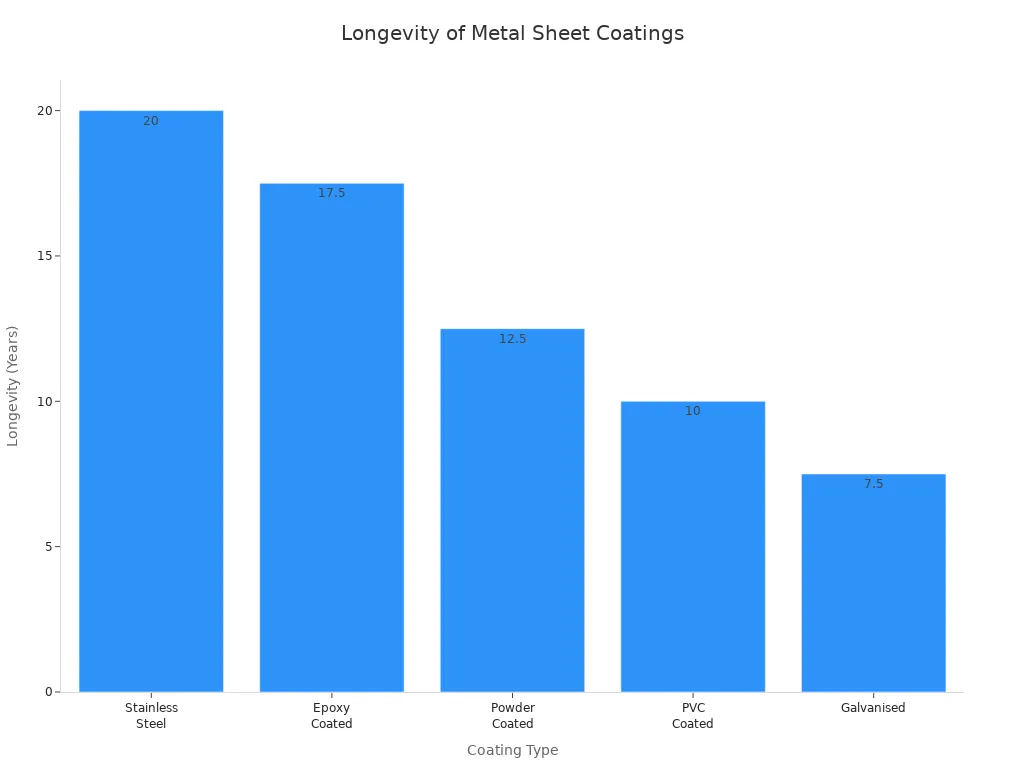
You can see how long each coating lasts and how to care for it in this chart:
Coating Type | Longevity (Years) | Maintenance Tips |
|---|---|---|
Stainless Steel | 20+ | Clean it to stop stains |
Epoxy Coated | 15–20 | Check for damage |
Powder Coated | 10–15 | Use soft cleaners |
PVC Coated | 8–12 | Look for cracks, do not use strong chemicals |
Galvanised | 5–10 | Keep it dry to stop damage |
Finishes and coatings can make your expanded metal plate look better. Many people pick powder coating or PVDF painted finishes for designer expanded metal. Powder coating gives bright colors and strong protection. PVDF painted finishes keep their color and work well in bad weather. These finishes help your designer expanded metal stand out in special projects.
Coating helps your expanded metal plate last longer.
It stops rust and damage from weather.
You get more color and style choices.
Coating makes your designer expanded metal look nice in screens, fences, and panels.
Here is a table that shows how coatings change looks and rust resistance:
Coating Type | Corrosion Resistance | Visual Appeal |
|---|---|---|
Powder Coating | High | Bright and bold |
PVDF Coating | Very High | Custom colors |
You can use designer expanded metal for walls, ceilings, and outdoor screens. You can pick colors and patterns you like. Special finishes help you make cool spaces. Expanded metal plate can be used in art, buildings, and gardens. Designer expanded metal lets you be creative in every project.
Note: Always pick the expanded metal plate with the finish that fits your style. The right coating keeps your designer expanded metal safe and looking good for a long time.
Some projects need more than regular expanded metal plate. You might face special problems with your project. In these cases, you should ask an expert for help. You may need a custom shape or size for your expanded metal plate. Sometimes, your project must follow strict safety rules. You might want to use expanded metal plate in a new way. You could have questions about getting the right expanded metal for a special place. Experts can help you pick the best mesh pattern, thickness, and finish. They know how to find the right expanded metal for hard jobs. They give advice so your expanded metal plate lasts longer. They also teach you the best ways to put in and care for your material.
Tip: Ask your supplier if they can help with design or give technical drawings. This can save you time and help you avoid mistakes.
Picking the right supplier is very important for your project. You want a supplier who gives you good expanded metal plate and meets your needs. Use this checklist to help you choose a good supplier:
Check if the supplier has certifications like ISO 9001 or ASTM A480. These show the supplier follows high standards.
Look at the size of the factory and how many workers they have. Bigger factories can make more products.
Ask for mill test reports and inspection certificates. These prove the expanded metal plate is strong and safe.
Check how fast they deliver and answer your questions. Fast service means you will not wait long.
Find out what other people say about the supplier and if their business is strong. If many people buy again, it means they trust the supplier.
Ask for samples and see if they offer custom options. Good suppliers let you try products and make special expanded metal plate.
You should always look at a few suppliers before you pick one. This helps you get the best deal and makes sure you get the right expanded metal plate for your project.
You can select the best expanded metal sheet by following a few simple steps. First, list your needs for the expanded metal plate. Next, compare materials, mesh types, and thickness. Check the finish for both looks and protection. Always match the expanded metal plate to your project’s demands. For complex jobs, talk to an expert. Review all options before you choose your expanded metal plate. Careful planning helps your expanded metal plate last longer and work better.
You can use expanded metal sheet for walkways, fences, machine guards, and decorative panels. It works well in construction, industry, and design projects. The mesh gives strength and lets air and light pass through.
You measure the mesh by the size of the opening (diamond or square), strand width, and sheet thickness. Always use a ruler or caliper for accuracy. Check the manufacturer’s chart for standard sizes.
Yes, you can cut expanded metal sheet with tin snips, a hacksaw, or an angle grinder. Wear gloves and safety glasses. For straight cuts, mark your line first. Ask a professional for large or complex cuts.
You can prevent rust by choosing stainless steel or aluminum. For steel, use coatings like paint, powder coating, or galvanizing. Keep the sheet dry and clean for longer life.
Expanded metal works well outdoors if you pick the right material and finish. Stainless steel and aluminum resist rust. Galvanized or coated steel also lasts longer outside. Always match the sheet to your weather conditions.


