
Views: 0 Author: Site Editor Publish Time: 2026-01-18 Origin: Site


Picking the right expanded metal sheet 4x8 is important. Good materials last longer and work better for your project. Expert suppliers help you choose and deliver on time.
Expanded Metal is getting more popular. Architects like it for energy-saving and custom building designs.
Pick the best expanded metal sheet for your job. You can choose standard, flattened, grating, or designer styles. Each style has special features.
Think about what material you need. Aluminum is light and does not rust. Steel is strong and lasts a long time.
Know why expanded metal sheets are useful. They last a long time and bend easily. They also save money because they use less material.
Use expanded metal sheets in many ways. They work well for safety and building designs. They are also good for factories and look nice too.
Always check the size before you buy. The right size stops waste and saves money. It also helps you install everything easily.
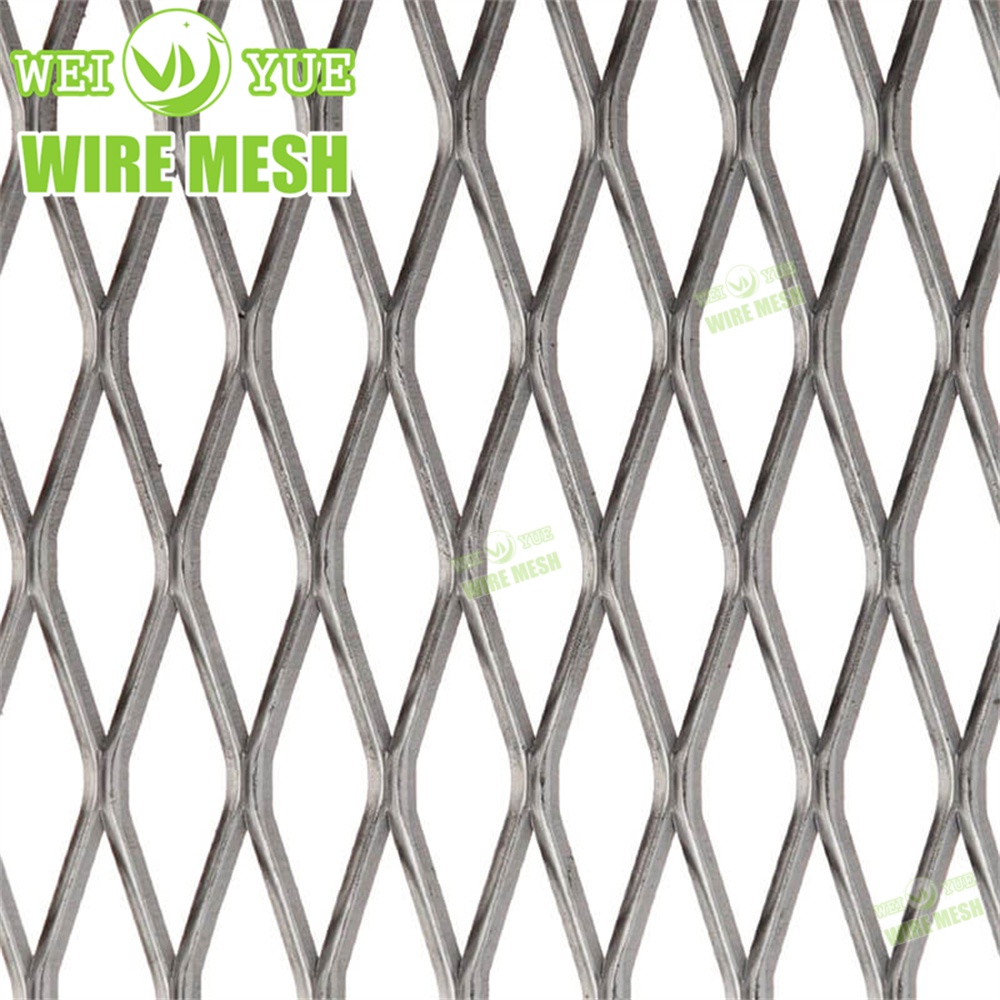
Expanded metal sheet is made from one piece of metal. It is used in many industries. It forms a strong mesh with open spaces. This mesh is not like woven wire mesh. There are no welded joints in expanded metal mesh. This makes it very strong and good for electricity. The holes in the mesh are diamond-shaped. These holes help air move and let you see through.
Here is a quick look at the main types of expanded metal sheet you might use:
Type of Expanded Metal | Description |
|---|---|
Regular Expanded Metal | Sheet simultaneously slit and stretched into a grid, non-raveling open mesh. |
Flattened Expanded Metal | Processed in a rolling mill to reduce thickness and provide a smooth flat surface. |
Expanded Metal Grating | Structural open grating ideal for catwalk and platform applications. |
Decorative Expanded Metal | Features unique shaped openings appealing to architects and designers. |
Expanded metal is made in three steps. First, you pick the metal you need. You choose it for strength or rust resistance. Next, you decide the size and thickness. Then, machines cut and stretch the metal. This makes the expanded metal mesh.
This process makes a mesh that is strong and light. You can shape it easily. It works for many projects.
Expanded metal sheet has many good points. It is better than perforated metal or wire mesh in some ways. Here is a simple comparison:
Feature | Expanded Metal Sheets | Perforated Metal |
|---|---|---|
Durability | High due to one-piece construction | Varies based on design |
Flexibility | Easily tailored and shaped | Limited customization |
Visibility | Good airflow and visibility | Can be customized for aesthetics |
Cost-Efficiency | Minimal waste in production | Higher material waste |
Expanded metal sheet is strong because it is one solid piece. Air and light can go through the mesh. This helps with safety and ventilation. Making expanded metal does not waste much material. You save money because of this. Expanded metal is flexible and fits many uses. You can use it for walkways or for decoration.
Tip: If you want something strong, cheap, and easy to change, expanded metal sheet is a smart pick.
There are many types of expanded metal sheet for different jobs. Each type has special features for certain uses. The main types are standard, flattened, grating, catwalk grating, and designer expanded metal. Knowing the differences helps you pick the best one for your project.
Expanded metal sheet in 4x8 size is very common. This size is popular because it fits most building and industrial needs. The 4x8 sheet is easy to move and install. It works well for walkways, fences, and panels. Many types come in this size, so it is flexible for professionals and DIY users.
Standard expanded metal sheet is the most used type. It has a mesh with raised strands and bonds. This design gives extra strength and grip. The rough surface helps stop slips. People use this type for safety and security.
Here is a table that shows how standard expanded metal and flattened expanded metal are different:
Feature | Standard Expanded Metal | Flattened Expanded Metal |
|---|---|---|
Surface Texture | Raised surface | Smooth surface |
Structural Strength | Greater structural strength | Not as strong as standard expanded metal |
Weight | Heavier and denser | About 5 percent lower material weight |
Gripping Properties | Higher-grade gripping properties | Poorer grip |
Aesthetic Appeal | Not as aesthetically pleasing | Burnished surface offers a sleeker appearance |
Applications | Superior for walkways | Great for fencing material |
You can use standard expanded metal sheet for many things:
Factory fences and perimeter security
Window and door guards
Air conditioning covers and anti-theft grilles
Warehouse partitions
HVAC vents and filter covers
Bridge walkways and pedestrian steps
Dock catwalks and construction scaffolding
Anti-slip ramps and subway vent covers
Standard expanded metal gives high strength and good grip. The raised ridges help stop slips, which is important for walkways and ramps. The open mesh lets air and light pass through, so it is good for ventilation and filtration.
Flattened expanded metal sheet starts as standard expanded metal. Machines press it flat to make the surface smooth. This process lowers the weight by about five percent and gives a sleeker look. You get less grip, but the sheet is easier to clean and looks better for some projects.
You often use flattened expanded metal in construction and manufacturing. Here are some common uses:
Walkways and handrail infills
Machinery guarding and scaffolding
Ladders and drainage covers
Architectural facades and lightweight reinforcement
Concrete reinforcement, like rebar
Noise and visual screening panels
Window and door panels
Safety systems and machine guards
Security fencing and protective covers
Flattened expanded metal sheet is good when you need a smooth surface and a clean look. It is strong enough for most jobs, but you should use standard expanded metal if you need more grip.
Expanded metal grating is made for heavy-duty jobs. It has a thick, strong mesh that can hold a lot of weight. This type is perfect for industrial floors, platforms, and walkways. Expanded metal grating gives a safe surface that does not slip easily.
Here is a table showing the load-bearing capacities for different expanded metal grating styles:
Style | Weight (Pounds per in Hundred C.S.F.) |
|---|---|
3 lb. | 300 |
4 lb. | 400 |
4.27 lb. | 427 |
5 lb. | 500 |
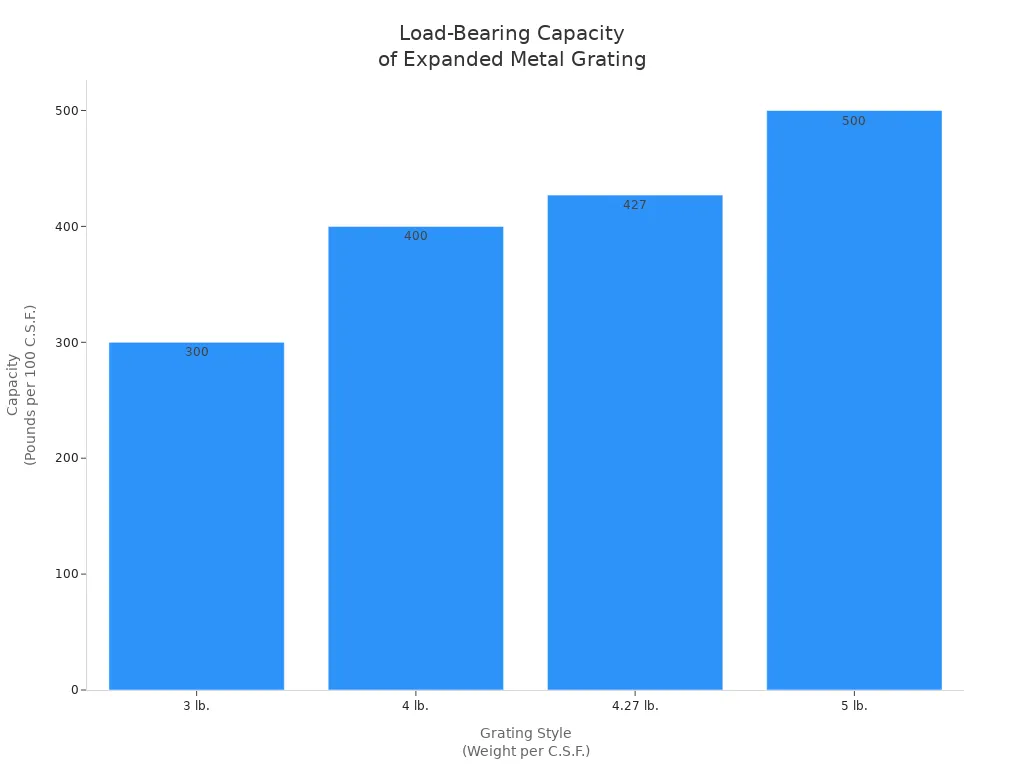
Expanded metal grating gives a strong, safe surface for walkways, platforms, and industrial floors. You can use it in factories, warehouses, and outdoor spaces. The open mesh lets water drain, which helps stop slips.
Catwalk grating uses expanded metal for walkways and platforms. You need a surface that is strong, safe, and lasts a long time. Catwalk grating meets strict standards for load capacity, slip resistance, and corrosion protection.
Here is a table showing key specifications for catwalk grating:
Specification | Requirement |
|---|---|
Load capacity | ≥ 1000 kg/m² |
Anti-slip coefficient | > 0.6 under wet conditions |
Corrosion resistance | 1000+ hours in salt spray test |
Fatigue testing | No deformation after 10,000 cycles |
Catwalk grating works well for walkways in factories, plants, and outdoor areas. You get a safe surface that does not slip, even when wet. The mesh resists rust and lasts through heavy use.
Designer expanded metal sheet gives new options for style and function. You get special shapes, patterns, and finishes. This type is popular for architecture and decoration. Designer expanded metal offers a smooth surface and lower weight. You get better visual effects and less risk of abrasion.
Here is a table comparing designer expanded metal to standard expanded metal:
Characteristic | Designer Expanded Metal | Standard Expanded Metal |
|---|---|---|
Surface Finish | Smoother | Rougher |
Weight | Approximately 5% lower | Heavier |
Aesthetic Appeal | Enhanced visual effects | Basic functionality |
Risk of Abrasion | Lower | Higher |
You can use designer expanded metal for building facades, screens, and interior panels. It works well when you want a modern look and a lighter sheet.
Tip: When you choose expanded metal sheet, think about the type, size, and job. The 4x8 sheet size fits most needs and is easy to work with. Pick the right type for safety, strength, and style.
You can pick from many materials for expanded metal sheet. Each one has special benefits for different jobs. Here is a table that shows the most common choices and their main features:
Material Type | Description |
|---|---|
Aluminum | Lightweight and corrosion-resistant, suitable for various applications. |
Carbon Steel | Strong and durable, used in many products. |
Stainless Steel | Excellent corrosion resistance, used in high-end applications. |
Pre-galvanized Steel | Coated for corrosion protection, often used outdoors. |
Hot-dip Galvanized Steel | Robust corrosion resistance, ideal for harsh environments. |
Specialty Alloys | Includes Monel, Inconel, and Hastelloy, available by special order. |
Most projects use aluminum or carbon steel. Stainless steel is good for food or marine jobs. Galvanized steel works well outside in bad weather. Specialty alloys help in very tough places.
Note: Making expanded metal does not waste any metal. This saves resources and is better for the planet.
The material you choose changes how your expanded metal sheet works. Some last longer, and some fight rust better. Here is a table that compares different materials:
Material Type | Durability | Corrosion Resistance |
|---|---|---|
Aluminum Expanded Metal 5005 H-34 | Lightweight, ideal for architectural applications | Excellent, suitable for outdoor use |
Stainless Expanded Metal T-304 | High strength, used in food processing | Excellent, hygienic properties |
Galvanized Expanded Metal | Cost-effective, used for fencing | Good, additional zinc coating |
Aluminum expanded metal is light and does not rust. You can use it for building fronts or outdoor screens.
Stainless steel is strong and resists rust very well. You see it in kitchens and on boats.
Galvanized expanded metal has a zinc layer. It is smart for fences and outdoor support.
Galvanized and heavy-duty expanded metal need little care. The zinc keeps rust and damage away. This saves you time and money on fixing things.
Expanded metal sheets last a long time because they are strong. You do not have to replace them often. This means less waste and helps nature. Picking the right material gives you the best results for your job, like strength, rust protection, or easy cleaning.
Expanded metal sheets are used in many industries. They are strong but not heavy. People use them to make furniture and help build things. They also use them in energy-absorbing systems. These sheets are good for hard jobs.
Furniture
Construction
Energy absorbing systems
You see expanded metal sheets in cars and trains. They are also used in planes, farms, and building sites. Their strong design makes them safe and tough. They work well where safety is important. These uses show how the sheets hold up under heavy weight and tough weather.
Expanded metal sheets let you be creative with design. You can use them for new or old styles. They make buildings and outdoor spaces look special.
Eye-Catching: You can make buildings look cool and different.
Durable: These sheets last in rain, sun, and wind.
Versatile: You can pick from many materials for your project.
Compatible: You can mix them with old or new designs.
People use expanded metal sheets on building walls, screens, and inside panels. They are good for shade, privacy, and decoration. You get a strong sheet that also looks nice.
Expanded metal sheets help make walkways and platforms safe. The surface keeps you from slipping, even if it is wet. You can put them in place fast with welding or bolts.
Feature | Description |
|---|---|
Non-slip surface | The surface is rough, so you do not slip. |
Structural integrity | Made from one piece of steel, so it is strong. |
Load capacity | Different holes let it hold light or heavy loads. |
Economical | It is cheap but still strong and safe. |
Easy installation | You can cut and install it fast with welding or bolts. |
You use expanded metal sheets for ramps, stairs, and platforms. They work in factories, public places, and outside. You keep people safe and save money and time.
You need to look at several important factors before you pick the right metal sheet for your project. Each factor helps you match the sheet to your needs and avoid common mistakes.
Factor | Description |
|---|---|
Application | The use decides the strength, durability, and look you need. Fencing needs stronger material than a screen. |
Strength and Load-Bearing | Big projects or those that hold weight need thicker strands and heavier gauge. |
Material Properties | Steel gives more strength but weighs more. Aluminum is lighter and resists rust. |
Aesthetic Considerations | Mesh size changes how the sheet looks and how much light passes through. |
You should also think about cost, weight, and how easy it is to install. The table below compares expanded metal to regular sheet metal:
Attribute | Expanded Metal | Regular Sheet Metal |
|---|---|---|
Cost | Lower | Higher |
Weight | Lighter | Heavier |
Strength | High strength-to-weight ratio | Strong but heavier overall |
Tip: Always check your measurements before you order. Wrong sizes can lead to waste and extra costs.
You can match the right type of sheet to your project by looking at a few key criteria.
Criteria | Description |
|---|---|
Material Grade | Pick the grade, like 3003 or 5061, based on what you need. |
Aperture Size | Choose the opening size for your project’s needs. |
Strand Thickness | Thicker strands give more strength and last longer. |
Corrosion Resistance | Needed for outdoor or coastal jobs to make the sheet last. |
Application Types | For cladding, fencing, or filters, focus on weather resistance and strength. |
Here are some common mistakes you should avoid:
Using the wrong measurements or panel size.
Picking the wrong sheet for your location or weather.
Handling sheets carelessly during installation.
Forgetting about metal expansion in hot or cold weather.
The price of each sheet depends on the material, size, and thickness. Buying in bulk can save money. Custom options may cost more but can fit your project better.
Note: Talk with your supplier about your project. This helps you get the best sheet for your needs.
You can pick from different expanded metal sheet types. Each one has its own special features and uses.
Type | Characteristics | Applications |
|---|---|---|
Standard Expanded Sheet | Raised diamond shape lets air move easily | Used for lockers, fences, safety doors |
Flattened Expanded Sheet | Lighter and flat, helps stop slips | Good for walkways, stairs, and fences |
Metal Grating | Heavier and strong, has no joints | Works well for catwalks, stairs, and platforms |
Before you choose, do these things: First, see how much strength your project needs. Next, pick a metal that will last a long time. Then, check if the mesh size gives enough airflow.
Tip: Always choose the right sheet type and metal for your project to get the best results.
Standard expanded metal has a raised surface that gives extra grip. Flattened expanded metal has a smooth surface. You use standard for safety and grip. You use flattened for a clean look and easy cleaning.
You can cut expanded metal sheets with simple tools like shears or a saw. Always wear gloves and safety glasses. Measure your sheet before cutting. Cutting lets you fit the sheet to your project.
You should pick galvanized steel or aluminum for outdoor jobs. Both resist rust and last longer in rain and sun. Stainless steel also works well outside. Ask your supplier for the best choice for your climate.
You can install expanded metal sheets with bolts, screws, or welding. Make sure you secure all edges. Use the right fasteners for your material. Always check that the sheet is stable before use.
Expanded metal sheets give a non-slip surface. You use them for walkways, ramps, and stairs. The raised pattern helps prevent slips. Always choose the right thickness and type for safety.


