
Views: 0 Author: Site Editor Publish Time: 2026-01-20 Origin: Site


Feature | Dropped Object Netting | Other Passive Controls |
|---|---|---|
Requires Worker Participation | No | No |
Prevents Hazards | Yes | Yes |
Catches Falling Objects | Yes | Varies |
Dropped object netting makes work sites safer. It lowers risks and helps protect everyone close by.
Dropped object netting keeps workers safe. It catches tools and materials that fall from high places. This helps lower the chance of getting hurt.
It is important to check dropped object nets often. Look at them every week and after storms. This makes sure everyone stays safe.
Using dropped object nets can help save money. They stop accidents and keep work from being delayed.
Pick the best materials for your nets. Use stainless steel or strong rope. This makes the nets last longer and work better.
Make dropped object prevention part of your daily work. Use tool tethers and store things the right way. This helps keep everyone safe.
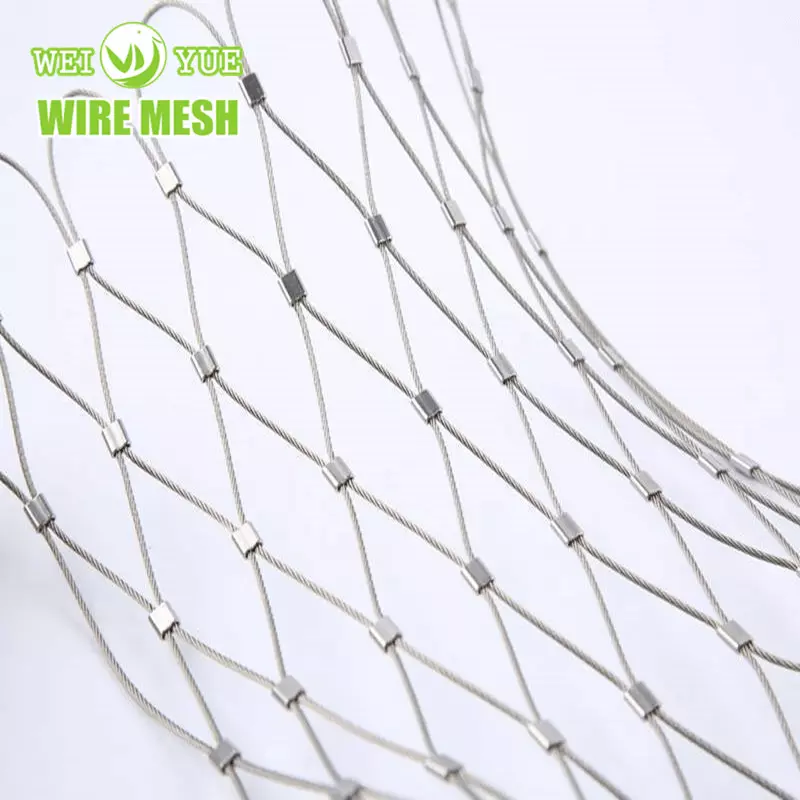
You see dropped object netting at places where people work high up. This netting is a passive engineering control. It does not keep people from falling. It stops tools, bolts, and other things from dropping down. Safety engineering standards say dropped object nets are safety devices. They stop objects from falling from heights. These nets help lower the chance of injuries and damage. You use dropped object netting to make a barrier. The barrier catches falling items before they hit workers or equipment.
Tip: Remember, dropped object netting is for objects only. You need other systems to protect people from falls.
Dropped object nets use strong materials to make a barrier. You put these nets around things like cranes or platforms. The nets cover spaces where tools or materials could fall. You can pick nets made from different materials. Choose what fits your worksite best. Here are some common materials for dropped object nets:
SUS316 stainless steel: It does not rust easily. It works well for oil and gas sites.
SUS304 stainless steel: It is tough and lasts in hard places.
Rope materials: Nickel, stainless steel, and tinned copper ferrules make nets stronger.
Dropped object nets can be made in many sizes and shapes. Pick the right net for your equipment and area. These nets hold heavy loads and stand up to bad weather. They keep tools and materials from falling through spaces. This helps you keep your worksite safe.
Property | Description |
|---|---|
Tensile Strength | The net can take strong pulls before breaking. |
Durability and Longevity | The net stays strong for a long time, even with lots of use. |
Corrosion Resistance | The net does not rust or get damaged by water or chemicals. |
UV Stability | The net does not get weak from sunlight. |
Flexibility and Energy Absorption | The net stretches and absorbs energy, slowing falling objects safely. |
You see dropped object nets in many jobs. Each job uses these nets for different reasons. Here is a table that shows where you find dropped object netting and why it matters:
Industry | Reason for Use |
|---|---|
Energy | Things can fall from high places and machines in oil, gas, and power jobs. |
Construction | Tools and materials up high can fall, so nets help keep people safe. |
Manufacturing | Machines can drop things, so nets protect workers and equipment. |
Transportation | Cargo and equipment may fall when loading or unloading, so nets keep things safe. |
You use dropped object nets to protect people, equipment, and property. In energy jobs, SUS316 wire nets are used to stop dropped objects. Construction sites use dropped object netting to keep tools and materials from falling. Manufacturing plants use nets to stop dropped items from hurting people or machines. Transportation places use nets to keep cargo from falling and causing accidents.
Note: When you pick dropped object netting, you make your workplace safer. You help stop injuries and protect important equipment.
Dropped objects are a real danger at worksites. Every year, more than 50,000 people in the U.S. get hurt by falling things. That means about 116 people get injured each day. This is almost one injury every 10 minutes. There are two main types of dropped objects. Static objects fall because they wear out or get loose. Dynamic objects fall when something bumps or moves them. These accidents can cause serious harm. People can get brain injuries, spinal injuries, or broken bones. Some injuries can even cause death. Thousands of workers get hurt, and hundreds die each year from falling objects or equipment. You need to know the risks to keep everyone safe.
Dropped objects do not just hurt people. They also break equipment and slow down work. When something falls, you might lose time looking for it or getting a new one. This can delay your project. If someone gets hurt, it can make the whole team feel sad or worried. People may feel unsafe. This can lower morale and make it hard to work. Medical bills and lawsuits can cost families and companies a lot of money. Losing a coworker can deeply affect everyone at the site.
Impact Type | Description |
|---|---|
Time Loss | Finding and replacing items slows down projects. |
Emotional Toll | Injuries or deaths make people feel sad and less productive. |
Financial Impact | Medical bills and lawsuits cost families and businesses money. |
There are many ways to stop dropped objects. Dropped object netting gives a strong barrier. It catches tools and materials before they hit someone. You should also use tool tethers, anchor attachments, and containers. These keep tools safe and stop them from falling. Storing tools the right way helps keep your worksite safe. Training your team on safety rules builds a strong safety program. Teach everyone about dropped object risks and how to prevent falls. Using netting with other controls makes a complete safety plan.
Tip: Make dropped object prevention part of your daily routine. Check your nets, tethers, and storage often. Good habits help keep everyone safe.
Equipment Category | Description |
|---|---|
Anchor attachments | Hold tools so they do not fall. |
Tool attachments | Connect tools to anchors for extra safety. |
Tool tethers | Stop tools from dropping if you let go. |
Containers | Store tools and materials when you are not using them. |
Dropped object netting makes a strong wall around high work areas. It catches tools or materials before they fall down. This helps keep workers and equipment safe. The net stops objects in the air. Most nets can hold heavy things and take hard hits. For example, makers say these nets can handle 17,500 foot-pounds of force. The ropes on the edge must hold 5,000 pounds before breaking. Using nets with these features lowers injury and damage risks. This helps people notice dangers and follow safety rules.
You need to follow steps to put up dropped object netting. Good setup keeps the net tight and working well. Here is a simple guide:
Step | Description |
|---|---|
1 | Plan first: Pick the right netting for your project and site. |
2 | Secure anchor points: Check scaffolding and mark where anchors go. |
3 | Install step by step: Start at the top anchor and make sure the net is tight. |
Check scaffolding for rust or damage before you start. Remove anything that blocks the area. Always wear gear to stop falls when working up high. Make a safe zone below the work area to protect others.
You must check your netting often. Look for holes or loose knots before each use. After storms or chemicals, check for damage. Most places say to inspect nets every week and write it down. If a net catches something heavy, take it down and test or replace it.
You should know the rules for dropped objects in your job. The ANSI/ISEA 121-2018 standard gives rules for tool tethers and nets. It tells how to design, test, and label dropped object netting. The newer ANSI/ISEA 121-2023 covers anchors, tool attachments, tethers, and containers. These rules help you build a good safety plan.
OSHA also has rules for safety nets:
Regulation | Description |
|---|---|
1926.502(c)(1) | Safety nets must be close to where people work, no more than 30 feet below. |
1926.502(c)(2) | Nets must stick out from the work area based on how far down they go. |
1926.502(c)(4)(i) | Safety nets must be drop-tested after setup and at set times. |
You make work safer when you follow these rules and standards.
Dropped object nets help keep workers safe. These nets catch tools and materials before they fall on someone. This lowers the chance of someone getting hurt. Workers feel safer when nets are used. Every day, almost 140 people in the US get hit by falling things. Using dropped object nets can stop many of these accidents. Overhead places should have steel dropped object nets as backup. These nets support brackets and frames. This extra step makes your safety plan stronger. You protect workers and help them trust your safety plan.
Dropped object nets do more than keep people safe. They also protect machines and property from damage. The nets catch things before they break tools or equipment. This helps you avoid expensive repairs. Your worksite keeps running without big problems. Custom dropped object nets help stop dangers and protect nearby things. They keep debris from spreading around the site. This lowers the chance of dropped object accidents. Using these nets makes your site safer and helps work go faster.
Safety nets catch falling things and stop accidents.
You lose less money on construction sites.
Custom debris nets protect property and lower damage.
Fewer accidents mean work gets done faster.
Dropped object netting catches or moves falling tools and materials. This keeps people and equipment below safe. The nets also hold debris, so you follow safety rules and keep the site clean.
Dropped object nets help you save money and time. They lower the number of accidents at work. This means you pay less for medical bills and repairs. You also do not have to stop work as much for cleaning or reports. Safety nets protect workers from falling things. They help your team get back to work quickly after an accident. Keeping everything secure up high is important for safety. You make your work go faster and keep your project on schedule.
Dropped object netting keeps tools and materials in place. This lowers the risk of injuries and broken equipment. You spend less time cleaning up and making reports. Work starts again quickly, and you do not have costly delays.
You help keep your worksite safe every day. Dropped object netting stops injuries and protects equipment. Many worksites have lots of dropped object accidents daily. You can make things safer by using nets, teaching your team, and checking safety plans often.
You use dropped object netting to catch tools or materials that fall from high places. This netting helps protect workers, equipment, and property below.
You should check your nets before each use. Weekly inspections help you find damage early. After storms or heavy impacts, inspect the nets again.
No, you cannot use dropped object netting to stop people from falling. You need special fall protection systems for workers.
You can choose stainless steel or strong rope materials. Stainless steel resists rust and lasts longer. Rope nets work well for lighter loads.


