

Views: 0 Author: Site Editor Publish Time: 2026-01-21 Origin: Site


Dropped object safety nets catch tools and debris before they hurt people or break things. A Drop Prevention Net helps keep workers safe and follow safety rules.
Find dangers on your construction site to stop things from falling. Watch for loose tools and equipment that might drop.
Pick the right netting material for your project. Stainless steel is strong and lasts long. Synthetic netting is lighter but can break sooner.
Follow safety rules like OSHA and ANSI. This makes sure your netting meets the needed rules. It keeps workers safe and helps you avoid fines.
Check and take care of your netting often. Look for damage and clean it gently. This keeps it working well and safe.
Ask safety experts and trusted suppliers for help. Their advice can help you choose the best netting for your site.
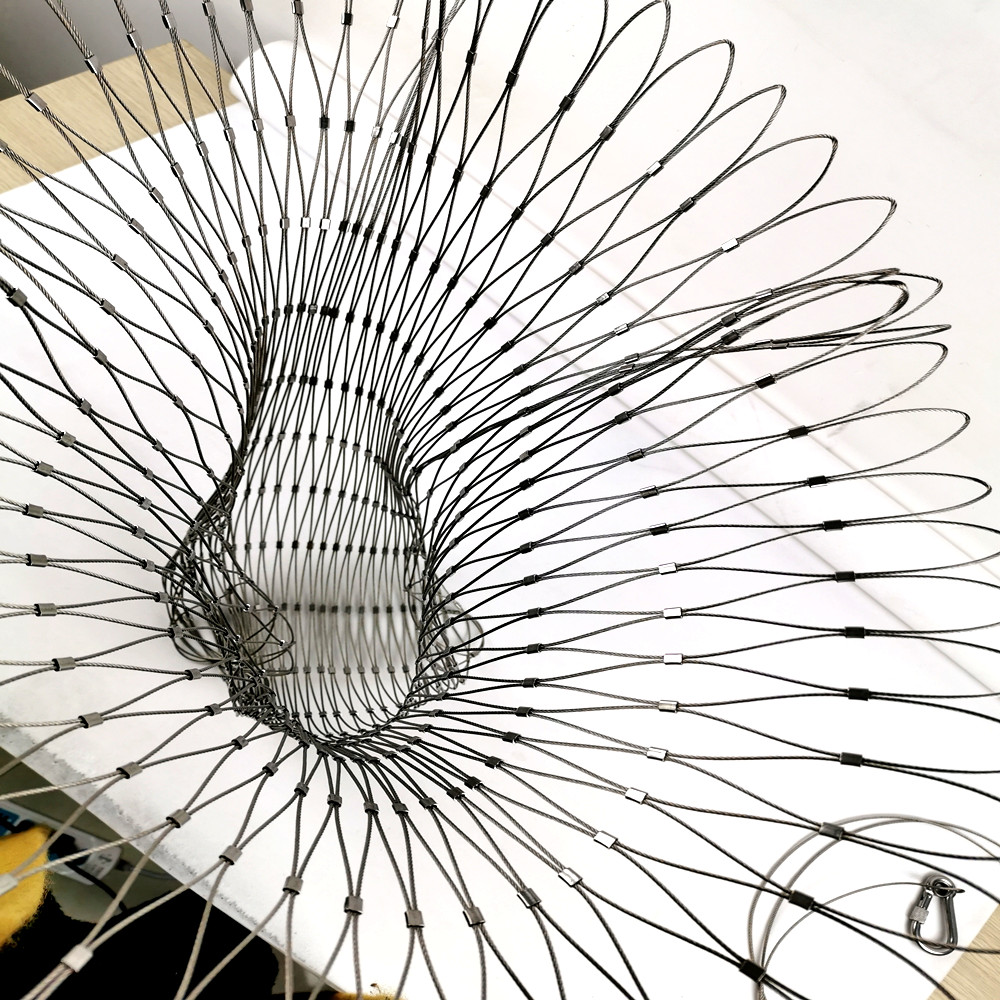
You need to start with a careful look at your site to spot hazards that can lead to dropped objects. Dropped object prevention begins with knowing what can fall and where. You should look for both static and dynamic dropped objects. Static objects fall because of gravity, like a loose bolt or a corroded bracket. Dynamic objects fall when something knocks them loose, such as a tool dropped during work.
Type of Dropped Object | Description |
|---|---|
Static Dropped Objects | Objects that fall due to gravity, often from corrosion or vibration. |
Dynamic Dropped Objects | Objects that fall because of force, like collisions or dropped tools. |
You should also check for common causes, such as hand tools left at height, temporary equipment, or areas where people work below. Poor housekeeping and failed fixtures can increase the chance of dropped objects. By identifying these hazards, you take the first step in dropped object prevention.
Next, you must decide how much weight your netting needs to catch and what areas need protection. Think about the size and weight of objects that could fall. Dropped object prevention works best when you match the netting to the load it must handle. You should also look at how often objects might fall in each area. High-traffic zones or places with lots of overhead work need stronger netting and more coverage.
A good risk assessment for dropped object prevention includes these steps:
Identify hazards on your site.
Assign a risk level to each hazard.
Put safety measures in place, like netting and warning signs.
Check and update your plan often.
Your site layout affects how you use dropped object prevention. You need to look at the type of debris, the height of your structures, and the weather. For example, high-rise buildings need netting that can handle strong winds and heavy impacts. Sites near the ocean or in rainy areas need netting that resists rust and moisture.
Factor | Description |
|---|---|
Type of Debris | Small particles or large objects need different netting solutions. |
Height of Structure | Tall buildings need stronger netting for wind and impact. |
Environmental Conditions | Coastal or wet sites need corrosion-resistant netting. |
By thinking about these factors, you make sure your dropped object prevention plan fits your site. This helps keep everyone safe and reduces the risk of accidents.
When you choose dropped object netting, you must focus on quality and compliance. You should never pick a product just because it costs less. Your main goal is to protect workers and meet all safety rules. Using netting that meets the right standards helps you avoid accidents and fines.
You need to know the main safety standards for dropped object netting. OSHA sets rules for how you use and test safety nets on job sites. ANSI/ISEA 121-2018 gives advice on stopping tools and items from falling. This standard talks about tool tethers and attachments, but it does not cover netting or hard hats. You must still follow OSHA’s rules for netting.
OSHA requires safety nets to be close to where people work.
You must test nets after you install, move, or fix them.
You need to keep records of all tests and certifications.
Different industries have their own safety needs. You should check if your industry has extra rules for dropped object prevention. For example, oil and gas, construction, and manufacturing may need special equipment. The table below shows some common equipment used to meet safety standards:
Equipment Category | Description |
|---|---|
Tool attachments | Devices that keep tools from falling. |
Tool tethers | Straps or cords that connect tools to workers or structures. |
Securing containers | Ways to stop containers from falling or spilling. |
Anchor attachments | Points to secure tools or equipment and prevent dropping. |
You must make sure your netting passes all required safety tests. OSHA says you need to test nets with a 400 lb. sandbag dropped from the highest point where something could fall. You must do this test after you install the net, after you move it, after big repairs, and every six months if the net stays in place. If your net passes, you get a certification. You must keep this certification on-site for inspection. These steps help you prove your netting meets all safety standards and keeps everyone safe.
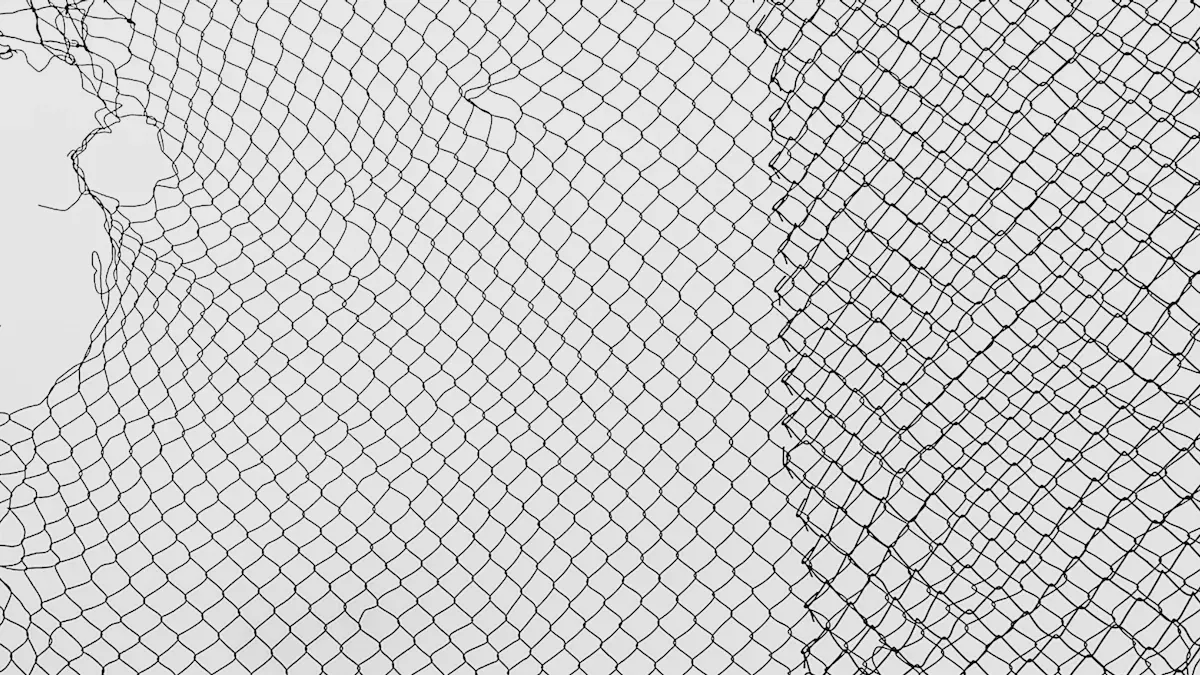
When you pick netting for dropped object prevention, you need to think about what it is made of. The two main types are stainless steel and synthetic netting. Each one has good points and bad points. Stainless steel netting lasts a long time and is very strong. It does not rust and can handle tough weather and chemicals. Synthetic netting, like nylon or polyester, is lighter and easier to move, but it can wear out faster and get weaker as time goes on.
Here is a comparison to help you choose:
Feature | Stainless Steel | Synthetic Netting |
|---|---|---|
Durability | Superior durability and longevity | Prone to degradation and wear |
Corrosion Resistance | Highly resistant to rust and chemicals | Susceptible to moisture and rot |
UV Stability | Excellent resistance to UV degradation | Weak against UV exposure |
Strength-to-Weight Ratio | High strength-to-weight ratio | Low strength-to-weight ratio |
Flexibility and Energy Absorption | Flexible and strong construction | Limited flexibility, can become brittle |
Long-term Reliability | Long-lasting performance | Requires frequent replacement |
You should use stainless steel netting if you need something very strong and that will last a long time. Synthetic netting is good for short jobs or places where there is less danger. Always check the netting to make sure it is good quality before you put it up.
Mesh size is also important when picking netting. The holes in the netting decide what it can catch and how much weight it can hold. Small mesh sizes stop little tools and debris from falling through. They also help keep people safe who are working below. Big mesh sizes might let small things fall but can hold heavier objects.
You need to find the right balance between mesh size and strength. If the mesh is too tight, it might not hold as much weight. If the mesh is too open, it might not catch everything. Good netting uses strong materials and the right mesh size to meet safety rules. Always pick a mesh size that matches what could fall and how risky your site is.
Tip: Look at the load rating for your netting. Make sure it is strong enough for your project.
Netting used outside has to deal with sun, rain, wind, and chemicals. You need netting that can handle these tough things. Sunlight can make some netting weak. Rain and water can cause rot or rust. Chemicals at work sites can hurt netting if it is not made from the right stuff.
Here is a table to help you compare netting materials for UV and weather resistance:
Material | UV Resistance | Weather Resistance | Strength Characteristics | Best Use Case |
|---|---|---|---|---|
Nylon | Moderate | High | Exceptional strength and elasticity | Short-term outdoor use with protection |
Polyester | High | High | Retains shape, less prone to stretching | Long-term outdoor applications |
Polyethylene | Low | Moderate | Lightweight, chemical-resistant | Temporary applications |
Stainless Steel | High | High | Highly durable, corrosion-resistant | Long-term demanding applications |
For the best results, pick stainless steel or polyester netting for outdoor and long jobs. These materials stay strong and good even after years of sun and rain.
Some new netting uses special technology to make it safer. Some nets use strong fibers to last longer. Others are made to be easy to put up and take care of. Some even have sensors that tell you when the netting needs to be checked.
Note: Always look at your netting for damage or wear, especially if it is outside or near chemicals.
By picking the right netting material and mesh size, you keep workers and equipment safe. You also make sure your safety plan follows all the rules and works for your whole project.
You have to think about how weather can change netting. Strong winds can pull on the netting and make it weaker. Saltwater near the ocean can cause rust and damage. Sunlight with strong UV rays can break down some netting. If you work in places with bad weather, pick netting that can handle these problems.
Here is a table that shows how different materials do in tough weather:
Material Type | Durability in Extreme Weather | Notes |
|---|---|---|
SUS316 Stainless Steel | High | Resistant to corrosion and UV degradation |
Other Materials | Variable | May not withstand harsh conditions effectively |
Stainless steel netting is best for windy, salty, or sunny sites. This kind of netting lasts longer and keeps people safe.
High winds can put stress on the netting.
Saltwater can make netting rust faster.
UV rays from the sun can make netting weaker.
You need to check if your site has chemicals or rough things that can hurt netting. Strong chemicals can break down netting and cause rips. When you clean netting, use soft brushes and mild soap. This stops dirt from building up and making netting weak. Gentle cleaning tools and soft soap help keep netting strong.
Strong chemicals can damage netting over time.
Clean netting with soft brushes and mild soap.
Use gentle tools to help netting last longer.
You have to choose if you need netting for a short time or a long time. Temporary netting is good for quick jobs or moving sites. Permanent netting is better for places where danger is always there. If you need netting for a long time, pick materials that last and fight off weather and chemicals. For short jobs, lighter synthetic netting can work, but always check for damage before using it.
Tip: Pick the right netting for your project’s length and dangers. This helps keep everyone safe and saves money too.
You may want to spend less money on dropped object netting. But safety should always come first. Cheap netting might not keep workers or equipment safe. When you make your budget, think about more than just the price. Look at what the netting is made of. Think about how big your project is. Some netting is hard to put up and needs special skills. You also need to think about fixing or replacing the netting. Here are some things you should remember:
The material you pick changes the cost and safety.
Bigger projects need more netting, so they cost more.
Harder jobs may need workers with special training.
You will spend more money to keep netting in good shape.
Where you work can change how much you pay and who you can hire.
Prices can go up or down if more people want netting.
Tip: Do not pick netting just because it is cheap. The right netting keeps everyone safe and stops accidents that cost a lot.
You should find out how long the netting will last and if it has a warranty. Some netting, like mesh netting, costs less but breaks faster and needs more repairs. Other netting, like high-grade polymer panels, costs more but lasts longer and does not need much fixing. The table below shows how these choices compare:
Solution Type | Upfront Cost | Yearly Maintenance Cost | Long-term Value |
|---|---|---|---|
Mesh Netting | Low | Over 10x higher than upfront cost | Poor |
High-grade Polymer Panels | Higher | One-third of upfront cost | Excellent |
A good warranty can help you save money if something goes wrong. Always ask about the warranty before you buy netting.
When you buy better netting, you get more than just a product. You get stronger safety and better protection for everyone. Good netting lasts longer and can handle bad weather. Some netting can be made to fit your site. Some netting uses recyclable materials, which is good for the planet and your company’s reputation.
Aspect | Description |
|---|---|
Durability | Good materials help netting last in tough weather and keep people safe. |
Customization | You can pick colors, sizes, and mesh types to make your site safer and easier to see. |
Eco-friendliness | Some netting is made from recycled materials, which helps the earth and makes your company look good. |
When you choose quality netting, you keep workers safe, spend less on repairs, and avoid fines. Good safety choices help you for many years.
Putting up and taking care of construction debris netting keeps everyone safe. You have to follow the right steps so the netting works well. If you install and check the netting often, you can stop dropped objects from hurting people.
Get your site ready before you put up construction debris netting. First, check the scaffold or anchor points to make sure they are strong. Look for rust or damage on all parts. Clean the area so workers do not trip or fall. Use good netting materials like woven polyethylene or polypropylene. Attach the netting to strong parts of the building with heavy-duty anchors. Make sure the net is tight so it can take a hit. Mark where the anchors go and drill holes for clips or bolts. This spreads out the force if something falls. Always wear fall protection gear when working high up. Set up a safe zone under the work area to protect others. When you take down the netting, use the same safety steps but backwards.
You need to check construction debris netting a lot to keep it safe. Look at the netting before every shift. Search for cords that are frayed, clips that are bent, or connectors that are worn out. Take away any broken parts right away. Checking the netting often helps you find problems early. Clean the netting with soft brushes and mild soap. Do not use strong chemicals because they can make the net weak. Write down every inspection and repair you do. This helps you follow safety rules.
Look at all items up high for damage or wear.
Check your gear before each shift.
Take out and change any broken parts.
You need good training to put up and care for construction debris netting. Training shows workers how to find dangers and use the netting the right way. Workers learn how to check the netting and tell someone if there is a problem. Training also teaches how to use fall protection gear. Good training means fewer mistakes and keeps everyone safe. Pick products that have clear instructions and support. Some companies give extra training or help if you need it. When you spend time on training, your site is safer and runs better.
Tip: Never skip training or checks. These steps keep your construction debris netting strong and safe.
You should talk to safety professionals before picking netting. These experts know how to find risks you might not see. They help you choose the best netting for your site. Safety professionals know all the rules and standards. They guide you so you follow every safety rule. If your project is hard or risky, their help matters even more. They show you how to set up netting the safest way. When you listen to experts, you feel sure your site is safe.
You need to pick suppliers with a good reputation. These suppliers do more than sell products. They help you find netting that fits your needs. Many suppliers have years of experience in custom engineering. They can:
Make netting with special colors and mesh sizes.
Change order sizes for small or big projects.
Build netting that meets safety standards and sizes.
Help you solve problems that are hard to fix.
Shape nets for spaces that are tricky.
A good supplier listens to what you need and works with you. You get better help and safer netting when you choose the right supplier.
Some projects have special site conditions or bigger risks. For these, you need custom netting solutions. Custom netting gives you many good things:
Benefit | Description |
|---|---|
Safety | Keeps workers safe from falling debris and lowers injury risk. |
Efficiency | Helps the job go faster by stopping delays. |
Legal Compliance | Makes sure you follow all safety rules. |
Ease of Installation | Easy to put up, saving time and money. |
Material Handling | Makes moving materials easier and quicker. |
Portability | Lets you move and use netting in different places. |
Custom netting can fit odd shapes and sizes. It can match your site’s colors or logo. When you pick custom netting, your site is safer and your work is easier.
You can keep your site safer by following easy steps when picking dropped object netting. First, look for risks and check if you follow the rules. Next, choose strong materials and talk to experts for help. Use this checklist to help you make good choices:
Step | Description |
|---|---|
1 | Discovery Workshop: Find out what can fall and cause harm. |
2 | Site Awareness: Help everyone see dangers on the site. |
3 | Trial: Try different netting to see what works best. |
4 | Policy Template: Make a plan for how to pick netting. |
5 | Training: Teach workers why netting and safety rules matter. |
6 | Site Setup: Put up the netting you picked for your site. |
7 | Spread the word: Tell everyone why drop prevention is important. |
This checklist makes it easier to pick safe netting for every job.
Dropped object netting is a safety barrier that catches tools, debris, or equipment before they fall. You use it for dropped object prevention. It protects workers, equipment, and the public on any construction project. You lower the risk of injuries and damage.
Dropped object prevention uses nets, barriers, and tool tethers to stop tools or equipment from falling. You set up netting around work areas. You also use tool lanyards and follow a fall protection plan. This keeps everyone safe and helps you meet ansi/isea 121 standards.
You should look for holes, frayed cords, or broken anchors. You check if the netting is tight and secure. You also make sure the netting covers all risk areas. Pre-use inspections help you spot problems early and keep your construction project safe.
You can use dropped object netting for most tools and equipment. For heavy equipment, you may need stronger nets or extra barriers. Always match the netting to the weight and size of dropped tools. This gives the best protection for your construction project.
You pick netting that meets ansi/isea 121 and OSHA rules. You look for strong materials and good weather resistance. You check if the netting fits your construction site and project needs. Quality gear gives you better protection and longer-lasting prevention.


