Views: 0 Author: Site Editor Publish Time: 2026-02-24 Origin: Site


Grade | Common Diameters (mm) |
|---|---|
304 | 0.016 - 14 |
304L | 0.016 - 14 |
316 | 0.016 - 14 |
316L | 0.016 - 14 |
410 | 0.016 - 14 |
430 | 0.016 - 14 |
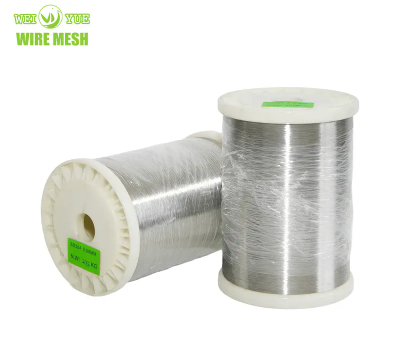
Stainless steel wire is used in medical devices, planes, cars, clothes, and tools. If you know the specifications, you can pick the best wire for safety and performance.
The Wire Forming Service Market was worth 3,430 million USD in 2024.
Experts think it will grow to 5.8 billion USD by 2035, with a 4.9% yearly increase.
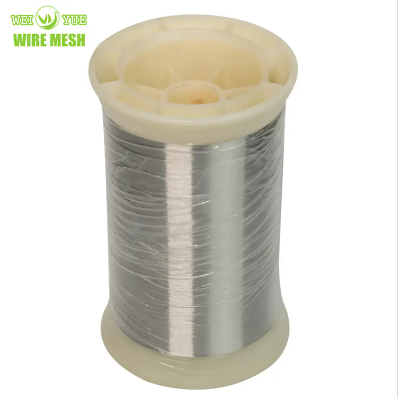
Stainless steel fine wire is strong and flexible. It does not rust easily. This makes it good for many uses. It is used in medical, aerospace, and automotive industries.
Pick the right grade of stainless steel wire for your needs. Use 304 for general jobs. Use 316 if you need better protection from rust. Use 304V for medical jobs that need high purity.
Look at wire diameter and tolerance. These affect how strong the wire is. Smaller diameters make the wire harder and stronger.
Choose the best surface finish for your project. Bright finish is easy to clean. Matte finish hides scratches. Polished finish helps stop rust.
Always check supplier quality standards and certifications. This helps you get safe and reliable stainless steel wire for your projects.
Stainless steel fine wire is used in many high-tech things. This wire has chromium in it, so it does not rust easily. You can use it where there is water or chemicals. Stainless steel fine wire stays strong even when it gets very hot. It lasts longer than plain carbon steel wire. The table below shows how stainless steel and plain carbon steel are different:
Characteristic | Stainless Steel | Plain Carbon Steel |
|---|---|---|
Composition | Contains chromium for corrosion resistance | Lacks chromium, more prone to rust |
Corrosion Resistance | Exceptional resistance to corrosive environments | Susceptible to rust and degradation |
Performance Under Heat | Maintains performance in extreme heat | Performance degrades under heat |
Durability | High durability in harsh conditions | Lower durability |
These features help you in tough places. Stainless steel fine wire gives you safety and works well.
There are three main grades for stainless steel fine wire: 304, 316, and 304V. Grade 304 is the most common and is good for many uses. Grade 316 is better against chemicals and saltwater, so it is great for medical and marine jobs. Grade 304V is a special type of 304 that is made in a vacuum. It is very pure and used for things like medical tools.
Feature | Application Description |
|---|---|
Strength | Needed for medical devices like catheters and stents. It makes them last and work well. |
Flexibility | Used in electronics for small parts and circuits. It helps make tiny designs. |
Corrosion Resistance | Important in filters for factories. It keeps working even with chemicals. |
High Tensile Strength | Good for heating parts in machines. It stays strong when hot. |
Fatigue Resistance | Needed in planes and cars. It keeps people safe when things get stressed. |
You can get stainless steel fine wire in different types. Annealed wire is soft and bends easily. Use it when you need the wire to be flexible. Hard drawn wire is tough and keeps its shape. Pick it for springs or parts that must stay tight. Both types help you choose the right wire for your project.
You need to pay close attention to the diameter and tolerance when choosing stainless steel fine wire. The diameter tells you how thick the wire is. Most fine wires have diameters less than 0.025 inches. You see these wires in weaving, knitting, and braiding. Standards like ISO 4782, DIN 177, and ASTM A478 help you check if the wire meets quality rules.
Diameter less than 0.025 inches is common.
Used in weaving, knitting, and braiding.
Meets standards like ISO 4782, DIN 177, ASTM A478.
Tip: Always check the tolerance. Tolerance means how much the wire can vary from its stated diameter. Small changes in diameter can affect how strong and hard the wire is. Smaller diameters make the wire harder and stronger. Larger diameters can make the wire softer and less reliable in tough jobs.
You must look at the material composition and grade before you buy stainless steel fine wire. The grade tells you how much chromium, nickel, and molybdenum the wire has. These elements decide how well the wire resists rust and how strong it is. The table below shows the most popular grades and their features:
Grade | Composition (Cr, Ni, Mo) | Corrosion Resistance | Strength Characteristics |
|---|---|---|---|
SUS201 | 16-18% Cr, 3.5-5.5% Ni | Moderate | Good mechanical properties |
SUS304 | 18-20% Cr, 8-10.5% Ni | High | Excellent ductility |
SUS316 | 16-18% Cr, 10-14% Ni, 2-3% Mo | Very High | Enhanced pitting resistance |
SUS410 | 11.5-13.5% Cr, Minimal Ni | Moderate | High strength after hardening |
You see SUS304 and SUS316 used in medical and marine jobs because they resist rust very well. SUS410 is good for parts that need to be very strong after hardening.
Surface finish changes how the wire looks and works. You can pick from bright, matte, or polished finishes. Bright finish gives you a shiny look and is easy to clean. Matte finish hides scratches and works well in places where shine is not needed. Polished finish is smooth and helps the wire resist corrosion even more.
Bright finish: Shiny, easy to clean.
Matte finish: Hides scratches, less shine.
Polished finish: Smooth, extra corrosion resistance.
You must check mechanical properties like tensile strength and elongation. Tensile strength tells you how much force the wire can take before it breaks. Stainless steel fine wire, especially grade 304, has high tensile strength. This means you can use it in springs, fasteners, and other parts that need to be strong. The wire also has good ductility. You can draw it into thin wires without losing strength.
Research shows that smaller wire diameters make the wire harder and stronger. This is important for jobs where the wire must handle stress and last a long time.
You need to protect stainless steel fine wire during shipping and storage. Good packaging keeps the wire safe from moisture, dirt, and damage. The table below shows common packaging formats:
Packaging Format | Description |
|---|---|
PVC or Plastic Film | Covers products for surface protection during handling and transportation. |
Bubble Films | Prevents contact with air, reducing oxidation of the products. |
Metal Pallets | For heavy products, using galvanized or carbon steel tubes to create pallets, protected with bubble film. |
Wooden Case | Protects smaller products and surface coatings from corrosion and moisture. |
You see that knowing these specifications helps you pick the best stainless steel fine wire for your job. Each detail, from diameter to packaging, affects how well the wire works in your project.
Stainless steel fine wire is used in many medical tools. Doctors use it to guide catheters and stitch wounds. It helps fix broken bones. The wire is found in pacemakers and defibrillators. Dental braces use this wire too. Electrodes for heart and brain monitoring need it. Surgeons use it in endoscopy and eye surgery. The wire does not rust and is safe in your body.
Cardiac rhythm management devices
Dental instruments and braces
Electrodes for monitoring
Guiding catheters
Orthopedic implants
Stent deployment
Sutures for stitching
You find stainless steel fine wire in cars and planes. Airbag igniters use this wire to work fast. Seatbelt springs use it to keep you safe. In planes, the wire is part of wiring systems. It is light and tough. Makers follow strict rules like AS, AMS, and NAS for safety.
Airbag igniters in vehicles
Seatbelt springs
Wiring systems in aircraft
Stainless steel fine wire is used in electronics. It helps make small circuits and connectors. The wire creates paths for electricity. It works well in sensors and tiny switches. Its strength and flexibility help engineers build devices that last.
You see this wire in clothes, filters, and springs. Factories use it to weave fabrics that block dust and chemicals. The wire size ranges from 0.010 to 0.82 mm. It has tight tolerances and high tensile strength. You can get it on spools, coils, or straightened lengths.
Property | Specification |
|---|---|
Wire Size Range | 0.010-0.82 mm |
Tolerance | ±0.003 mm for 0.03 mm wire |
Tensile Strength | 65-100 kgf/mm² |
Elongation | Minimum 10% for soft wires |
Delivery Forms | Spools, coils, straightened lengths |
Artists and jewelers use stainless steel fine wire for rings, necklaces, and sculptures. The wire bends easily and keeps its shine. You can shape it into detailed designs. It lasts for years and stays strong.
Stainless steel fine wire protects against rust. It works well in tough places like factories and hospitals. Scientists tested 316L stainless steel in hot salt and air. The wire had less rust than regular steel. Fine grains inside help chromium spread. This makes the wire resist rust even more.
Aspect | Findings |
|---|---|
Material | WAAM-built 316L stainless steel |
Environment | Molten Na₂SO₄ + 25% NaCl salt and air at 750 °C |
Corrosion Rate | Lower rates than wrought steel |
Microstructural Advantage | Fine dendrite grains improve resistance |
Damage Mechanism | Regular steel suffered cracks and spallation |
Stainless steel fine wire stays strong under stress. It lasts a long time. It handles heat and stress better than nylon or polymer clips. The table below shows the differences.
Material | Strength | Corrosion Resistance | Durability | Special Features |
|---|---|---|---|---|
Stainless Steel | High | Excellent | Very High | Resistant to heat and stress |
Nylon | Medium | Moderate | Medium | Flexible but less durable |
Polymer Clips | Low | Low | Low | Lightweight, not for harsh conditions |
You can bend stainless steel fine wire easily. It is used in many ways. Cold Metal Transfer in Wire Arc Additive Manufacturing shows its flexibility. You can make thin or thick parts. The wire helps create complex shapes without mistakes. This is good for medical devices, electronics, and springs.
Stainless steel fine wire is used in many industries. It works in restaurants for decorations and furniture. Home designers use it for wall panels and modern furniture. Doctors use it for stents, catheters, and surgical tools. Aerospace engineers use it in fasteners, cables, and safety lock wires. Car makers use it in exhaust systems, airbag filters, and wipers.
Restaurants: Decorative partitions, furniture
Home Furnishing: Wall panels, modern designs
Medical: Stents, fracture fixations, surgical devices
Aerospace: Fasteners, cables, safety lock wires
Automobile: Exhaust systems, airbag filters, wipers
Stainless steel fine wire fits many jobs, from art to safety.
You need good metal to make stainless steel fine wire. Pick plates or rods with the right grade, like 304 or 316. These metals have chromium and nickel mixed in. This mix makes the wire strong and stops rust. Check the metal to make sure it is pure and can be traced. Only clean and perfect metal goes into making the wire. This step helps you avoid problems later.
Drawing and annealing shape the wire. Drawing makes the wire thinner and stronger. Annealing makes the wire softer and easier to bend. Here are the main steps:
Step | Description |
|---|---|
1 | Clean and remove grease from the stainless steel plate. |
2 | Anneal the plate to make it softer and easier to shape. |
3 | Set up the wire drawing machine for the job. |
4 | Pull the wire through smaller dies to make it thinner. |
5 | Repeat drawing until the wire is the right thickness. |
6 | Anneal the wire again to make it more flexible and less stressed. |
You keep drawing and annealing until the wire is the size you want. This process gives the wire its strength, flexibility, and smooth surface.
You check the wire at every step. Quality control keeps the wire safe and reliable. You use different checks to meet industry rules:
Quality Control Measure | Description |
|---|---|
Material Checks | Make sure only high-quality, traceable metals are used. |
Wire Thickness Monitoring | Watch wire thickness to keep it even and prevent changes. |
Mesh Spacing Accuracy | Check every weave to make sure it meets exact needs. |
Multi-Point Inspections | Test for strength and rust resistance to find problems early. |
Regular Visual Inspections | Look for issues before finishing the wire. |
Automated Weaving Checks | Watch the weaving process for steady quality. |
Documentation and Certifications | Keep records to show the wire meets standards like ASTM or ISO. |
You write down every test and check. This record shows your wire meets rules like ASTM and ISO. You can trust the wire to work well in any job.
You should check if your supplier follows strict rules. Look for certificates like ISO 9001 or ASTM. These certificates mean the company tests its wire and keeps records. Suppliers with these certificates make sure their wire is safe and works well. You can trust their wire in medical, aerospace, and car jobs.
Every project needs something special. Good suppliers offer many ways to customize wire. You can ask for wire cut to size or rolls made thinner. Some companies stamp, punch, or bend wire for you. They can weld or finish wire to fit your needs. Good suppliers also help you with questions and problems.
Customization Services | Description |
|---|---|
Cutting and shearing to size | Making wire fit special jobs |
Slitting rolls to width | Changing wire rolls for your project |
Stamping, notching, punching | Making shapes and features you need |
Forming and bending | Shaping wire for special uses |
Welding, brazing, soldering | Joining wire for complex jobs |
Specialty edging and finishing | Making wire look and work better |
You must plan your project around delivery times. Lead times depend on what materials are ready. Some suppliers ship fast if they have wire in stock. Others need more time for special orders. You should ask customer service for exact dates.
Lead times depend on what is in stock.
Special orders may take longer.
Customer service tells you about delivery.
Planning ahead helps you finish your project on time.
You want a supplier with a good reputation. Look for companies known for quality and reliability. Well-known companies like Sandvik, Fort Wayne Metals, and Ulbrich are trusted. They offer certified wire, strong support, and fast delivery. Read reviews and ask other buyers what they think. A trusted supplier helps you avoid delays and mistakes.
Choose a supplier with experience and good reviews. This protects your project and helps you succeed.
You make better choices when you understand stainless steel fine wire specifications and uses. Picking the right wire keeps your project safe and strong. Always choose a supplier with proven quality and experience. Before you buy, follow these steps:
Define your needs and check if the wire fits your job.
Measure the diameter and ask for a Mill Test Certificate.
Request samples and test them for quality.
You can find stainless steel wire as thin as 0.016 mm. This size works well for medical, electronics, and textile uses. Always check with your supplier for the smallest size they offer.
Yes, you can bend annealed wire by hand. Hard drawn wire needs special tools. Always wear gloves to protect your hands from sharp ends.
Keep wire in a dry place.
Use original packaging.
Avoid contact with moisture and chemicals.