
Views: 0 Author: Site Editor Publish Time: 2026-02-24 Origin: Site


Good electrical and thermal conductivity
High wear resistance
Strong corrosion resistance in harsh environments
Reliable anti-magnetic and anti-static performance
These features make you trust stainless steel fine wire. It works well in tough jobs in many different areas.
Stainless steel fine wire is both strong and bends easily. This makes it great for many uses in medical devices, electronics, and cars. The wire does not rust easily, so it lasts a long time even in tough places. This is very important for medical tools and machines that make food. The wire has a smooth surface, which helps it work well and last longer. This is needed for jobs that need accuracy, like electronics and medical implants. Picking the right type of stainless steel fine wire, such as 316 for medical things, is important for safety and good results. Stainless steel fine wire can be used in many smart ways in different fields. This helps products stay safe and last longer.
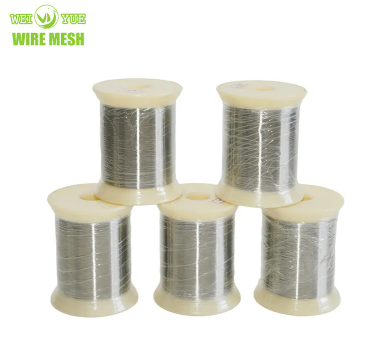
Stainless steel fine wire is very strong. It can handle a lot of pulling force without breaking. This makes it better than many other metal wires for tough jobs. For example:
FiberWire is stronger than stainless steel wire in tension band fixation for biomechanical uses.
Stainless steel fine wire has high tensile strength, so it stretches but does not snap easily.
The type of stainless steel changes how strong and tough the wire is. You can see the differences in this table:
Stainless Steel Grade | Strength Characteristics | Corrosion Resistance | Suitable Environments |
|---|---|---|---|
304 | Good tensile strength | Moderate | Indoor/mildly corrosive |
316 | Superior strength | High | Marine/offshore conditions |
These wires are tough and last a long time. That is why people use them for both heavy and delicate work.
Stainless steel fine wire bends and twists easily. You can shape it into many forms and it still works well. This makes it great for electronics, medical devices, and art projects. You can make springs, mesh, or tiny coils with it. The wire does not react with most chemicals, so you can use it in many places. It also stands up to bad weather and heat. This helps the wire keep its shape and work in hot places.
Stainless steel fine wire does not rust easily. It fights off water, chemicals, and salt. Grade 316 stainless steel is very good at stopping rust, even in tough spots. It has more molybdenum, which makes it last longer in hard places. People use this wire in marine engineering, medicine, and food processing because it does not get damaged by moisture or chemicals.
Stainless steel wire is used in medical tools because it does not rust in the body.
Body fluids can cause rust, so medical stainless steel must be extra strong.
New technology makes medical stainless steel wire last even longer.
You can trust this wire to work well, even in wet or chemical-filled places.
Stainless steel fine wire has a smooth and exact surface. This is important for jobs that need perfect sizes and finishes. Here is a table that shows what matters for surface quality:
Quality Factor | Description |
|---|---|
Chemical Composition | The mix of chemicals in the wire must be right. |
Non-metallic Inclusion Content | The amount and type of non-metal stuff must be controlled. |
Microstructure | The inside structure affects how the wire works. |
Grain Size | Smaller grains make the wire stronger and more bendy. |
Mechanical Properties | The wire must be strong and flexible enough. |
Surface Defects | There should be very few surface mistakes. |
Dimensional Accuracy | The wire must be the right size. |
Shape | The wire should keep the same shape all the time. |
Coil Weight | The coil must weigh the right amount. |
Special tools measure how smooth the wire is. For example, a coordinate measuring machine (CMM) checks the surface. You can change how you make the wire to control how rough it is. This careful work makes sure the wire meets strict rules for making things.
Tip: When you pick stainless steel fine wire, always check if the surface is smooth and the size is right. This helps your project work well and last longer.
Stainless steel fine wire is used in many medical tools. It is found in electrode leads for pacemakers and neurostimulators. Doctors use it in guidewires to move catheters inside the body. Many implants, like orthopedic and dental ones, use this wire too. These devices need to conduct electricity well and be safe for the body. They must not rust and have to be strong. These things help keep medical care safe and reliable.
This wire meets strict cleaning rules in hospitals. It does not cause bad reactions in the body. Its strength helps medical tools work well for patients. The wire does not rust, so equipment lasts longer. You also see this wire in stitches for closing wounds. It is in stents for heart problems and in tools doctors use every day. Because it is safe for the body and lasts long, it is a top pick for medical uses.
Stainless steel fine wire is used in many electronic things. It helps make connectors, springs, and small coils. These parts need to be strong and bend easily. The wire’s smooth surface and right size help electronics work well. You find it in circuit boards, sensors, and battery packs. The wire does not rust, so devices stay safe from water and chemicals. It is also in anti-static brushes and cable shields. These uses protect electronics and keep them working safely.
Stainless steel fine wire is in many car and airplane parts. In cars, it is in bolts, nuts, washers, and rivets. These parts hold the car together. The wire is also in exhaust systems, from start to end. Some types, like 409Ti and 409Cb, work well in hot and tough places. Airbags use knitted fine wire pads as filters to keep airbags safe. Fine wire braids are in fuel and brake hoses for extra strength.
In planes, this wire is used for fasteners that join important parts. Aircraft cables made from this wire move wing flaps and landing gear. Safety lock wire keeps fasteners tight and safe from shaking. These uses help keep cars and planes safe and working well.
Stainless steel fine wire is used in food machines and shipbuilding. In food work, the wire does not rust, which keeps food safe. Electropolishing makes the wire smooth, so it is easy to clean. This stops germs from growing. Grade 304 stainless steel fine wire can take high heat, up to 1,697ºF. You can use it for many food jobs. The wire meets strict cleaning rules and helps keep food safe.
Advantage Type | Description |
|---|---|
Corrosion Resistance | Stainless steel's protective oxide layer stops rust, which is important for food safety. |
Surface Finish | Electropolishing makes a smooth surface that stops germs and is easy to clean. |
High-Temperature Resistance | Grade 304 stainless steel can take heat up to 1,697ºF, good for food jobs. |
In shipbuilding, you use this wire for mesh, cables, and fasteners. The wire does not get damaged by saltwater or chemicals. This helps ships last longer. You can trust it to meet cleaning and safety needs in food and on ships.
Stainless steel fine wire is used in making textiles and filters. The wire cloth is strong and can do hard jobs. Its fine mesh separates things while staying strong. You use it for filtering, screening, and sorting materials. The wire can take high heat and harsh chemicals, so you can use it in many places. It is easy to clean and disinfect, which helps with hygiene.
Property | Description |
|---|---|
High Filtration Efficiency | Catches dirt while letting clean fluid pass through well. |
Superior Pressure Resistance | Stays strong under high pressure for good performance. |
Resistance to Heat and Corrosive Fluids | Handles high heat and strong chemicals, so it works in tough places. |
You use this wire in business for sieving, protection, and making things. It can be used for both gentle and tough jobs. You can trust it to meet cleaning and safety needs everywhere.
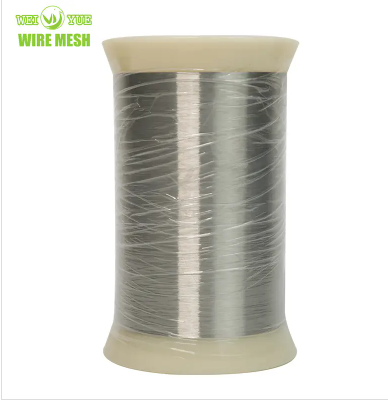
Stainless steel fine wire is used in many small springs and parts. These parts are important in machines and medical devices. When you use this wire for springs, you get many good things:
You can make springs as thin as 0.05mm for tiny medical tools.
Springs must fit in small spaces and have the right size and coils.
The spring’s length, number of coils, wire thickness, and outside size all matter.
316 stainless steel is best because it does not rust, works for medical needs, stays strong, and is not too expensive.
Springs made from this wire are very strong. They last a long time and do not break easily. The wire does not get tired, so springs keep working well. You can use these springs in planes, medical tools, and other machines. The wire bends easily, so you can make many kinds of small parts.
Stainless steel fine wire is used to make braided wire and cable shields. These shields keep cables safe from outside signals and damage. In engineering, you need cables that last and send signals clearly. The wire bends well, so you can braid it tightly. This makes strong shields for electronics, cars, and planes.
Braided wire shields stop signals from getting mixed up. You see them in computers, medical machines, and phones. The wire is smooth and strong, so cables stay safe in hard places. You can trust these shields to help your devices work well.
Stainless steel fine wire is used in mesh and filters. These systems help you clean, separate, and protect things in many jobs. The wire mesh is better because it lasts longer and needs less cleaning than other materials.
Material | Durability | Maintenance Requirements |
|---|---|---|
Stainless Steel | Very strong, does not rust easily | Needs little cleaning, lasts a long time |
Brass | Not as strong, breaks down faster | Needs cleaning often to look good |
You use stainless steel fine wire mesh in food factories, water plants, and chemical places. The mesh does not rust and stays strong, even in tough spots. You save time and money because you do not need to clean or change it a lot. This makes it a smart pick for many engineering projects.
Stainless steel fine wire is used in many industries. It is strong and bends easily. It does not rust, so it works well for a long time. These things help products work better and last longer. The table below shows how the size of the wire matters:
Wire Diameter Range | Key Applications | Impact on Industry Metrics |
|---|---|---|
Less than 0.01 mm | Medical (sutures, stents, guidewires) | Flexibility and biocompatibility drive demand for minimally invasive surgeries |
0.01-0.02 mm | Electronics (wiring, shielding) | Excellent conductivity and corrosion resistance enhance performance |
0.02-0.05 mm | Automotive and Aerospace | Strength and lightweight nature valued for performance and efficiency |
People keep finding new ways to use this wire. It is now used more in medical tools, car safety, and food machines. These new uses make things safer and better. Stainless steel fine wire will keep changing to help with new needs in the future.
Stainless steel fine wire is stronger than regular wire. It does not rust as easily. The surface is smoother, too. It works well in tough places. It lasts longer than regular wire.
Yes, you can use this wire in food machines. It does not rust and is easy to clean. The wire meets strict cleaning rules.
You need to look at the wire’s size, type, and surface.
Pick 316 grade for medical tools.
Choose a smaller size for electronics.
You can trust this wire in medical tools. It does not rust inside the body. The wire stays strong and follows safety rules.
Industry | Common Uses |
|---|---|
Medical | Implants, guidewires |
Electronics | Connectors, springs |
Automotive | Fasteners, filters |
Food Processing | Mesh, cleaning tools |


