
Views: 0 Author: Site Editor Publish Time: 2026-03-12 Origin: Site


Type of Stainless Steel Wire | Key Properties | Typical Applications |
|---|---|---|
Low-Carbon Stainless Steel | Easy to weld, resists intergranular corrosion | Welding rods, chemical factory tools |
Austenitic Stainless Steel | Corrosion-resistant, easy to form | Food factory tools, medical tools |
Ferritic Stainless Steel | Cost-effective, resists stress corrosion | Car exhausts, heating parts |
Martensitic Stainless Steel | High strength, wear-resistant | Knives, dental tools |
Precipitation Hardening Steel | Lightweight, very strong, corrosion-resistant | Airplane parts, strong medical devices |
By selecting the proper tool for the type and thickness of stainless steel wire—whether it’s standard, stainless steel fine wire, or SS304/SS316 stainless steel wire—you’ll achieve clean cuts and avoid damaging the material.
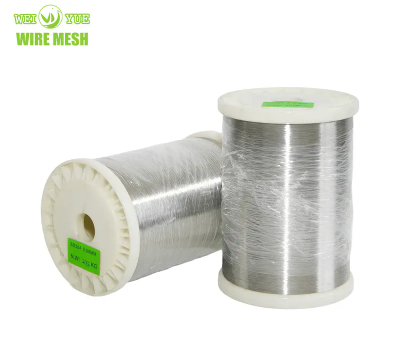
Always pick the correct tool for cutting stainless steel wire. This helps you make clean cuts and stops damage. Secure the wire well before you cut it. This keeps you safe and makes your cut more accurate. Wear safety gear like gloves and goggles to protect yourself. These keep you safe from sharp edges and flying pieces. After you cut, smooth the ends of the wire. This stops the wire from fraying and makes your project last longer. Take care of your tools often so they work well and stay safe for cutting stainless steel.
When you need to cut thin stainless steel cable, you can use simple hand tools. Many people choose snips, which look like scissors but are made for metal. Metal snips work well for cutting thin stainless steel cable because they give you control and a clean cut. Diagonal cutting pliers also help you cut small pieces of wire. If you want to avoid fraying, use high-quality cable cutters. These tools make it easy to cut thin wire without crushing it. Always wear safety gear, such as gloves and safety glasses, to protect your hands and eyes during cutting.
Snips (metal snips)
Diagonal cutting pliers
High-quality cable cutters
Thicker stainless steel cable needs more power. Power shears are fast and efficient for cutting thick stainless steel cable. You can also use an angle grinder or a circular saw with a blade made for stainless steel cable. These tools cut through tough material quickly. High-quality cable cutters are important for thick wire, too. Dedicated wire rope cutters give you a clean cut and help prevent fraying. When you use power tools, always wear safety gear. Put on a dust mask, ear protection, and a face shield. Secure the stainless steel cable with a vise or clamps before you start cutting.
Tool Model | Maximum Cutting Capacity | Power Output | Speed Range |
|---|---|---|---|
ONEVAN 125mm Cordless Angle Grinder | N/A | 2000W | 3000-20000 RPM |
ONEVAN 76mm Cordless Angle Grinder | 16mm | N/A | Up to 20000 RPM |
Sometimes, you need special cutting methods for stainless steel cable. Wire EDM gives you a mirror-like finish and works well for parts that need tight tolerances. Laser cutting is great for complex shapes and leaves little waste. Plasma cutting works fast and cuts thick stainless steel cable with clean edges. Waterjet cutting makes smooth cuts and handles different shapes and sizes. These advanced cutting methods are best for projects that need high precision or special finishes.
Cutting Method | Advantages |
|---|---|
Laser Cutting | High precision, Minimal waste, Complex designs |
Plasma Cutting | Fast speed, Good for thick materials, Clean cuts |
Waterjet Cutting | Smooth cuts, Handles many shapes and thicknesses |
Tip: Always check your tools before cutting. Replace worn-out blades and inspect cords for damage. This keeps you safe and helps you get the best results.
Cutting stainless steel wire can seem tricky, but you can get a clean cut every time if you follow the right steps. These instructions will help you measure your cable, secure it, make the cut, and finish the ends to prevent a frayed end. Here is a simple guide you can follow:
Set up your workspace on a sturdy surface like a workbench or sawhorses. This keeps your wire steady during cutting.
Use a tape measure to measure your cable. Make sure you know exactly where you want to cut.
Mark your cut lines with a marker. This helps you see where to cut and keeps your work accurate.
Place a ruler or square along the wire to check that your line is straight. This step helps you get a clean cut.
You need to keep the wire from moving while you cut. Use one of these methods:
Clamp the wire to your workbench with a vise or a strong clamp.
If you do not have a clamp, ask someone to hold the wire steady for you.
Always secure the wire before cutting. This keeps you safe and helps you get a clean cut.
You can use different tools for cutting, depending on the thickness of your wire:
Use cable cutters made for stainless steel to get a clean cut on thin wire.
For thick wire, use an angle grinder with a cut-off disc or a bench-mounted cable cutter.
Always wear gloves and eye protection when cutting. This protects you from sharp ends and flying pieces.
Make sure the wire is clamped tightly before you cut. This step gives you the best results.
After you cut, you need to check the ends:
Look at both ends of the wire. Make sure they are straight and smooth.
If you see a frayed end or jagged edges, use a metal file or sandpaper to smooth them out.
For extra safety, you can heat the end of the wire with a lighter or torch to fuse the strands together. This helps prevent a frayed end.
Deburring the ends makes the wire safer to handle and improves how it fits in your project.
By following these steps, you can cut stainless steel wire safely and get a clean cut every time. These instructions work for most DIY projects and help you avoid a frayed end.
You need the right tools for cutting stainless steel cable, steel cable, and wire rope. The best tool depends on the thickness and type of cable. Hand-held cable cutters work well for most stainless steel cable. Heavy-duty wire rope cutters help you cut wire rope with minimal fraying. Bolt cutters can cut steel cable with small diameters, but they may crush the rope. Angle grinders are effective for thick stainless steel cable, but you must use safety gear. Fuse cutting and mechanical cutting powered by electrical, heat, or hydraulic force are options for special projects. The choice of tool depends on how many cuts you need and the purpose of the cable.
Hand-held cable cutters
Heavy-duty wire rope cutters
Bolt cutters (for small diameters)
Angle grinders (for thick cable)
Fuse cutting tools
You must follow a step-by-step process for cutting wire rope and stainless steel cable. This helps you avoid fraying and deformation. Here is how to cut wire rope and how to cut steel cable:
Measure twice and mark the cut length with a permanent marker.
Wrap the area with electrical or vinyl tape to prevent fraying.
Secure the stainless steel cable or wire rope in a vice.
Cut the wire rope or stainless steel cable in one firm motion using dedicated cutters or an angle grinder.
Remove the tape and inspect the cut end.
Clean sharp edges and install end fittings right after you cut.
Fraying is a common problem when you cut wire rope or cut stainless steel cable. You can prevent fraying by using special methods. Wrapping the cable with canvas or an old fire hose reduces friction. You can also use protective sleeves in areas where the stainless steel cable rubs against other surfaces. Regularly douse steel mooring cables with fresh water to prevent corrosion. Avoid direct sunlight and chemicals that can damage the cable. Fuse cutting helps seal the ends of stainless steel cable and wire rope, making them safer and stronger.
Wrap the cut area with tape before cutting wire rope.
Use fuse cutting to seal the ends.
Install protective sleeves for durability.
Clean and inspect the cut end after cutting stainless steel cable.
When you work with stainless steel, you must follow important safety tips for cutting stainless steel cable. These tips help you avoid injuries and keep your workspace safe. Many people get hurt because they do not use the right gear or forget to check their tools before they cut. You can prevent most accidents by preparing before you start cutting.
After you cut stainless steel wire, the edges can be very sharp. You should always wear heavy-duty gloves made from leather or special fibers. These gloves protect your hands from cuts and burns. Put on safety glasses or goggles to shield your eyes from flying pieces when cutting. Wear a long-sleeve shirt or jacket to protect your arms from sparks and sharp ends. Steel-toed boots keep your feet safe if a piece falls during cutting. A hard hat can protect your head from falling objects. Always check the area for sharp bits after you cut. Pick up any small pieces to keep your workspace safe.
When you finish cutting, you will have offcuts and small pieces left over. These bits can cause injuries if you leave them on the floor or workbench. Collect all offcuts right after you cut. Place them in a sturdy metal container with a lid. This keeps sharp pieces away from your hands and feet. Label the container so everyone knows it holds sharp metal. Take the container to a recycling center when it is full. Do not throw stainless steel offcuts in the regular trash. Recycling helps protect the environment and keeps your workspace clean.
You need to keep your tools in good shape for safe and easy cutting. Use a sharp cutter with the right coating for stainless steel. Dull tools make cutting harder and can slip, causing injuries. Apply coolant or oil to your tools during cutting to reduce heat and make the cut smoother. Check your machines and blades before each cut. Tighten any loose parts and replace worn blades. Adjust the speed and pressure of your cutter based on the type of stainless steel you are cutting. Clean your tools after every use and store them in a dry place. Regular maintenance helps your tools last longer and makes every cut safer.
By following these safety tips for cutting stainless steel cable, you can protect yourself and others. Always use the right gear, handle sharp edges with care, and keep your tools in top condition. Safe cutting starts with good habits and careful planning.
You can achieve a clean cut on stainless steel wire, cable, or rope by following these steps:
Choose the right tool for each cut based on wire size and application.
Mark and measure before you cut to ensure accuracy.
Secure the wire to prevent movement during cutting.
Use sharp tools and proper technique for every cut.
Finish each cut by smoothing and fusing ends to avoid fraying.
Remember, using the correct tool and following safety steps makes cutting safer and improves each cut. Beginners often face tough cuts, tool wear, and overheating, but you can overcome these by using sharp tools and managing heat. With these tips, you can cut stainless steel confidently and tackle any project with success!
You should use high-quality cable cutters or metal snips. These tools give you clean cuts and help prevent fraying. Always wear gloves and safety glasses for protection.
Wrap tape around the cut area before you cut. After cutting, use a lighter or torch to fuse the ends. You can also file the ends smooth to make them safer.
Yes, you can use power tools like angle grinders or power shears. Always secure the cable first. Wear gloves, eye protection, and a dust mask to stay safe.


