
Views: 0 Author: Site Editor Publish Time: 2026-03-11 Origin: Site


Many people think stainless steel wire never tarnishes.
Some believe stainless steel fine wire does not need any care.
Others assume SS304/SS316 stainless steel wire is just like silver, but stronger.
Stainless steel wire does not tarnish easily. Chromium makes a layer that protects the wire. This layer keeps the wire shiny and stops rust.
There are different types of stainless steel. Grades like 304 and surgical grade resist tarnish in different ways. Pick the right grade for how you plan to use it.
Things like water and chemicals can harm stainless steel wire. Clean the wire often and take care of it to keep it looking good.
Keep stainless steel wire in a dry spot. Use anti-tarnish strips to help it stay shiny and stop tarnishing.
Clean the wire with gentle soap and a soft cloth. Do not use strong chemicals or rough scrubbers. This keeps the wire safe.
Stainless steel wire stays shiny while other metals get dull. This happens because of chromium. Chromium makes a special layer on the wire’s surface. The layer forms when chromium reacts with oxygen in the air. This thin film is called chromium oxide.
Chromium oxide works like a shield. It stops oxygen and water from touching the metal below. Because of this shield, the wire does not rust or tarnish. Chromium in the alloy is very important. It keeps the wire strong and bright for many years.
Note: Stainless steel wire must have at least 10.5% chromium to make this layer. If there is not enough chromium, the wire cannot stop tarnish or corrosion.
Here are some main facts about chromium in stainless steel wire:
The wire needs at least 10.5% chromium to stop tarnishing.
This amount lets the wire build a protective chromium oxide layer.
The layer keeps the wire looking new by stopping corrosion and tarnish.
Not all stainless steel wire is the same. There are different grades, and each grade resists tarnish in its own way. The most common grades are 304 stainless steel and surgical grade stainless steel.
The table below shows how these grades are different:
Type of Stainless Steel | Chromium Content | Molybdenum Content | Tarnish Resistance |
|---|---|---|---|
304 Stainless Steel | 10.5% | Lower | Lower |
Surgical Grade Steel | 18-20% | Higher | Higher |
304 stainless steel wire has the least chromium needed to stop tarnish. It works well for many things, but it does not give the best protection. Surgical grade stainless steel wire has more chromium and more molybdenum. This makes it even better at stopping tarnish and corrosion. Surgical grade wire is used in medical tools and jewelry because it stays bright and clean for a long time.
When picking stainless steel wire, think about where you will use it. For wet or tough places, surgical grade wire gives the best protection. For normal use, 304 stainless steel wire is usually good enough.
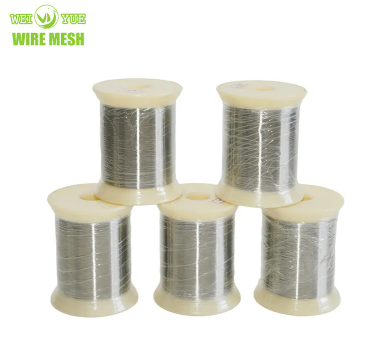
Some people think stainless steel wire never changes. But the environment can still affect it. Many things around you can cause tarnishing. Here are some common reasons:
Air: Oxygen in the air can react with the surface. This can make the wire change color.
Water and Humidity: Water, especially salty or hard water, can hurt the protective layer. Over time, this can make the wire look dull.
Dirt and Acid: Dirt and acid can attack the surface. They can make the wire lose its shine.
Harsh Chemicals: Things like bleach or ammonia can break the protective shield.
Skin Contact: Oils and acids from your skin can build up. This can lead to tarnishing.
Tip: If you use stainless steel wire outside or near the sea, rinse it with fresh water. This helps remove salt and dirt.
Chemicals can damage stainless steel wire. Strong acids and alkalis, like sulfuric acid or cleaning products, can wear away the protective layer. This makes it easier for rust and tarnish to form. Using harsh cleaners or chemicals can break down the chromium oxide shield. Chlorides, found in salt and some cleaners, can cause spots and deeper corrosion.
Not taking care of the wire can also make tarnishing happen faster. Touching the wire a lot lets oils and sweat from your skin build up. This can make the wire look dull. Cosmetics and lotions can react with the metal and leave stains. Handling jewelry often can wear down the protective layer. Using bleach or chlorine cleaners can do even more damage.
To keep your stainless steel wire shiny, stay away from strong chemicals. Clean it gently. Store it in a dry place and wipe it after you use it.
You can keep stainless steel wire looking bright with regular cleaning. Dirt, oils, and sweat can build up and make the wire look dull. Cleaning removes these things before they cause problems. Use these tips to protect your wire:
Mix mild soap with warm water to clean the surface gently.
Use a soft cloth or sponge to avoid scratches.
Dry the wire with a microfiber cloth after cleaning. This helps prevent streaks and keeps the finish shiny.
Stay away from harsh chemicals like bleach or ammonia. These can damage the protective layer.
Do not use rough scrubbers such as steel wool. They can scratch the surface.
Try brushes with soft or medium bristles if you need to scrub. Avoid carbon steel brushes, which can leave iron particles behind.
Manual brushing gives you better control and lowers the risk of damage.
Consider using a protective coating or polish. This can seal the surface and block moisture and dirt, which is helpful in humid or salty places.
Tip: Clean your stainless steel wire often, especially if you use it outdoors or near the sea.
Proper storage and care help your wire last longer and look better. You can follow these steps:
Store stainless steel wire in a dry, cool place, away from sunlight and humidity.
Use anti-tarnish strips or silica gel packets to absorb moisture.
Keep the wire in a low-humidity environment.
Place it in a soft-lined compartment or an individual pouch to prevent scratches.
Check your wire often for signs of tarnish or damage.
Lubricate wire rope with light oil or synthetic grease to reduce rust and friction.
Regular cleaning and inspection keep your wire strong and shiny.
Note: Good storage and maintenance protect your investment and help your stainless steel wire stay bright for years.
You can clean tarnished stainless steel wire with simple household products. Start by mixing mild dish soap with warm water. Dip a soft cloth or sponge into the solution and gently wipe the wire. Rinse with clean water and dry with a microfiber cloth. For extra shine, spray white vinegar on the wire and rub it with a microfiber cloth. You can finish by applying a small amount of olive oil or baby oil to a clean cloth and rubbing it along the grain. This helps restore the shine and adds a light protective layer.
Other safe options include club soda, lemon-based oil cleaner, or a baking soda paste. To make a paste, mix baking soda with water and a little lemon juice. Apply it to the wire, let it sit for a few minutes, then rinse and dry. Always wipe in the direction of the grain to avoid scratches.
Tip: Avoid using steel wool or rough scrubbers. These can scratch the surface and remove the protective layer.
Sometimes, gentle cleaning does not remove all tarnish. For tougher spots, you can use commercial stainless steel cleaners. These products work well to restore the wire’s original appearance. Follow the instructions on the label and use a soft cloth for application.
If you want long-term protection, try products like Iosso Metal Polish or Boeshield Rust Remover. These not only clean but also add a protective coating that lasts for months.
When cleaning, avoid these common mistakes:
Skipping the cleaning step—always start with a clean surface.
Using the wrong polishing compound.
Applying too much pressure.
Skipping grit progression if sanding.
Over-polishing the surface.
Neglecting safety—wear gloves and work in a ventilated area.
Using contaminated polishing wheels.
Ignoring the environment—work in a dry, clean space.
Regular cleaning and careful handling keep your stainless steel wire looking bright and new.
You can trust high-quality stainless steel wire to stay bright and resist tarnish. This happens because the chromium oxide layer protects the surface from moisture and chemicals. Grades like 304 and 316 offer strong resistance, so you see less discoloration.
Regular cleaning removes dirt and keeps the shine.
Lubrication and anti-rust coatings add extra protection.
Store your wire in a dry place for best results.
Tip: Rinse your wire with fresh water and let it dry before storing. This simple habit helps your stainless steel wire look new for years.
You rarely see rust on stainless steel wire. The chromium layer protects it. If you scratch the wire or expose it to saltwater for a long time, rust can appear. You should rinse and dry the wire to prevent this.
Yes, you can use stainless steel wire for jewelry. It resists tarnish and keeps its shine. Many people choose it for earrings, necklaces, and bracelets. You get a bright look without much care.
You should clean stainless steel wire once a month if you use it often. For outdoor or jewelry use, clean it more often. Use mild soap and water. Dry it well to keep the shine.
Avoid bleach, ammonia, and steel wool. These can scratch or damage the wire. Use a soft cloth and gentle cleaners. Always dry the wire after cleaning.
Most people with sensitive skin can wear stainless steel wire. Surgical grade wire works best. It does not react with skin or cause allergies. If you have a nickel allergy, check the grade before use.


