
Views: 0 Author: Site Editor Publish Time: 2026-02-24 Origin: Site


You use stainless steel fine wire and stainless steel wire every day, even if you do not see it. This material is strong but does not weigh much, making it ideal for tough jobs. The chromium in it forms a layer that prevents rust and chemicals from causing damage. Stainless steel wire is utilized in construction, ships, oil and gas industries, and various household items. It can be found in bridges, safety gear, medical implants, and electronics. Its strength and versatility make it essential in numerous applications.
Stainless steel wire does not rust. It also resists chemicals. This makes it good for tough places like oceans and chemical plants.
It is strong and lasts a long time. It does not break easily. This means you do not need to fix or replace it often.
Stainless steel wire can handle high heat. This makes it useful in aerospace and food processing.
This material can be used in many ways. It works in construction and medical devices. People trust it because it is strong and reliable.
Picking the right stainless steel wire is important. For wet places, use marine-grade wire. This helps it work best in each environment.
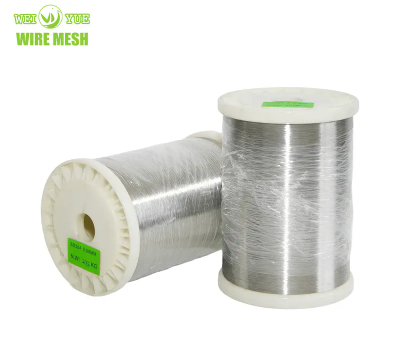
Some places are very tough on materials. Stainless steel wire protects well against rust and chemical damage. Chromium in the wire makes a thin layer on top. This layer stops water and chemicals from hurting the metal inside. In the ocean or chemical plants, regular metals can break down fast. For example, 316 stainless steel is called "marine-grade" because it has molybdenum. Molybdenum helps it fight off rust even better, especially in salty or chemical places. Stainless steel wire stays strong and lasts longer, even in hard conditions.
You want something that does not break or wear out fast. Stainless steel wire is very strong and can hold heavy things. It does not bend or stretch easily. When you look at other materials, stainless steel wire lasts much longer. Here is a table to show you:
Material | Typical Lifespan |
|---|---|
Nylon | 3–10 years |
Stainless Steel | 10–25 years |
Polymer Clips | 5–15 years |
Stainless steel wire works better than many other choices. Because it lasts longer, you do not need to fix or replace it as much.
Many jobs need materials that can take a lot of heat. Stainless steel wire stays strong even when it gets very hot. Here are some facts:
Stainless steel wire can handle heat up to 600°C and still stay strong.
Special types like 310 or 321 can work at over 1000°C.
You see stainless steel wire in places where heat is a big problem. Aerospace, cars, and food factories use it because it does not change shape or break when it gets hot.
Industry | Reason for Use |
|---|---|
Aerospace | Parts that get very hot |
Automotive | Parts that need to be strong and not rust |
Food Processing | Used for things that get hot often |
You can use stainless steel wire in many ways. It is strong, does not rust, and can take heat. That is why many jobs use it. Here are some common uses:
Construction: Used for safety mesh, tying things, and making concrete stronger.
Automotive: Found in control cables, exhausts, and springs.
Oil and Gas: Used in rigging and drilling.
Chemical and Petrochemical: Used in conveyor belts and filters.
Food and Beverage: Used in wire mesh conveyors and grills.
Medical and Pharmaceutical: Used in surgical tools and catheters.
Aerospace: Used in fasteners and control systems.
Electrical and Electronics: Used in cable armoring and connectors.
Marine: Used for ropes and nets in saltwater.
Textile and Paper: Used for weaving mesh and fabric guides.
Agriculture and Fencing: Used in fences and trellises.
Mining and Quarrying: Used for screens and support.
Stainless steel fine wire is also important for new technology. Its special features help products last longer and work better. Look at this table to see how it helps:
Property | Contribution to Industrial Technologies |
|---|---|
Corrosion Resistance | Makes things last longer and need less fixing. |
High Strength | Helps things work better and not break. |
Temperature Resistance | Keeps things safe when it gets very hot or cold. |
You can count on stainless steel fine wire for many jobs. It is flexible and reliable, so it is a smart pick for lots of industries.
Stainless steel wire is used in many parts of buildings. It helps support walls and beams. Builders use it for masonry ties and structural support. You also see it in mesh screens and safety guards. Flexible pipes often use stainless steel wire too. These uses help buildings last longer and stay safe.
Standard | Description |
|---|---|
EN 12385-1 | European rule for steel wire rope safety and testing |
ISO 3108 | Ways to check breaking force |
ASTM A1023/A1023M | American rule for mechanical testing |
ASME B30.9 | U.S. safety rule for slings with wire rope |
Lloyd’s Register | Marine and offshore groups with special testing methods |
Stainless steel wire is found in cars and trucks. It is used in exhaust systems and brake lines. Fuel lines also use stainless steel wire. These parts must not rust and must last a long time. More cars use stainless steel tubes now. This shows that the industry trusts this material.
Stainless steel wire is used for:
Exhaust systems
Brake lines
Fuel lines
Advantage | Description |
|---|---|
Corrosion Resistance | Great for fuel and brake tubes in tough places. |
Long Service Life | Makes parts last longer and need fewer fixes. |
Energy Absorption | Helps keep people safe in crashes. |
Mechanical Properties | Gives strength to safety parts and reinforcements. |
Stainless steel fine wire is also used in sensors and control cables. These parts help vehicles work safely and well.
Oil rigs and ships need strong materials. Stainless steel wire can handle saltwater and strong winds. Saltwater makes rust happen faster. Airborne chlorides can hurt most metals. Stainless steel wire fights these problems. It stays strong after many wet and dry cycles.
Common uses include:
Downhole tools
Flexible pipes
Safety guards
Mesh screens for filtration
Stainless steel fine wire is used to make filters and screens. These work well in tough offshore places.
Stainless steel wire is inside many electronics you use. Makers use ultra-fine wire for wire bonding. Some wires are as thin as 15 micrometers. This wire is strong and hard. Heat treatments make it more flexible and reliable.
Property | Description |
|---|---|
Wire Diameter | Ultra-fine 15 μm wires are used for wire bonding technology. |
Mechanical Properties | Very strong and hard, especially in thin wires. |
Electrical Fatigue Life | 15 μm wires last about 300 cycles, but this drops after annealing. |
Annealing Effects | Heating at 780°C makes wires softer and easier to bend. |
Application | Used in electronic packaging because wires work better after treatment. |
Stainless steel fine wire is also found in connectors and springs. It is used for cable shielding too. These uses help devices last longer and work better.
Stainless steel wire helps keep food and medicine safe. Its smooth surface stops rust and germs. It is used in conveyor systems and mesh screens. Mixing tools in factories also use stainless steel wire.
Compliance Standard | Description |
|---|---|
FDA 21 CFR Part 110/117 | Good rules for making food safely. |
FDA 21 CFR Part 211 | Good rules for making medicine safely. |
FDA CFR Title 21 | Makes sure materials are safe and easy to clean. |
EN 1935:2004 | Sets rules for materials touching food. |
Stainless steel wire must be designed to stop contamination.
Equipment must be easy to clean in food factories.
Factories use risk checks to keep food and medicine safe.
Stainless steel fine wire is picked because it is easy to clean. It does not let germs grow. You can trust it to keep food and medicine safe.
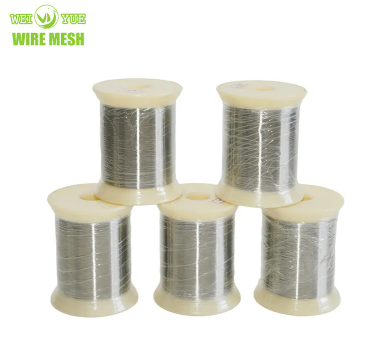
You see stainless steel fine wire in many high-precision jobs. This wire helps make small parts for electronics. It connects tiny circuits inside your phone or computer. Medical device makers use it for surgical tools and implants. The wire does not rust, so it keeps patients safe. Architects use it for modern building designs. You notice it in railings, art pieces, and safety barriers. The wire gives strength without adding much weight. You can trust it to hold up under stress and look good at the same time.
Note: Stainless steel fine wire is chosen for these jobs because it stays strong, does not corrode, and can be shaped into very thin forms.
You find stainless steel fine wire in many types of mesh and screens. These products help filter liquids and gases in chemical and pharmaceutical plants. The wire mesh separates particles and keeps harmful things out. It also works as a barrier against rust and damage. Builders use wire mesh for decoration and security in buildings.
Mesh and screens made from stainless steel fine wire:
Filter liquids and gases in factories
Separate particles in chemical processes
Add safety and style to buildings
Heating elements also use this wire. The wire can handle high heat and tough conditions. It does not break down or rust easily. You get fast heating and save energy because the wire transfers heat well. The chromium in the wire keeps it from corroding, so you do not need to replace it often.
Key features for heating elements:
Lasts a long time, even in hot places
Transfers heat quickly and evenly
Needs little care because it resists rust
You see stainless steel fine wire in many industries because it works well in tough jobs and keeps things running smoothly.
Austenitic stainless steel wire is used in many industries. It has more than 18% chromium and about 8% nickel. These elements give the wire special features. It is tough and bends without breaking. You can weld it easily. It does not rust in most places. This wire is not magnetic. You can use it in both acids and bases. People pick it for acid-resistant tools and stainless steel watches. Makers heat the wire to 1050–1150°C, then cool it fast. This step is called solution treatment. It makes the wire stronger and easier to shape. The main part inside is called austenite. Nickel and manganese keep this part stable. You cannot make it harder by heating, but it stays strong and flexible.
Ferritic stainless steel wire costs less because it has little nickel. It works well where you do not need high strength but want good rust protection. Martensitic stainless steel wire is very hard. Use it when you need wire that can take hits and hold heavy things.
Ferritic grades cost less, resist rust, but are not as strong.
Martensitic grades are very strong, good for cutting tools and springs, and can take impacts.
You can add a polymer coating to martensitic wire for more rust protection. This helps it last longer in tough places.
Type | Key Feature | Common Use |
|---|---|---|
Ferritic | Lower cost, less nickel | Automotive parts, appliances |
Martensitic | High hardness, strong | Blades, springs, fasteners |
Sometimes you need wire with special shapes or features. Specialty and profiled stainless steel wire is made for these jobs. Makers can shape the wire into squares, flats, or other forms. This helps in electronics, medical tools, and building designs.
Specialty wire can fight off chemicals, heat, or wear.
Profiled wire fits better in small spaces.
You can pick wire for decoration or for machines that need exact parts.
Note: Specialty and profiled wire lets you pick the right wire for your job. This makes your work easier and more dependable.
You count on stainless steel wire to help keep industries safe. It is strong and lasts a long time. It does not rust easily. That is why many people use it for important jobs. Experts say it helps food factories stay clean. You see stainless steel wire in buildings and filters. The market for stainless steel wire will get bigger as new types are made. If you want something you can trust, stainless steel wire is a good choice.
You get better rust protection with stainless steel wire. The chromium in it forms a shield that stops rust. Regular steel wire can rust quickly, especially in wet places.
Yes, you can use it outside. Stainless steel wire resists rain, snow, and sun. It works well for fences, railings, and garden supports.
You can trust stainless steel wire in food and medical settings. It does not let germs grow. It is easy to clean and meets safety rules.


