
Views: 0 Author: Site Editor Publish Time: 2026-02-23 Origin: Site


Have you ever wondered how to prevent falling objects from causing accidents at heights? Dropped object netting is the key safety solution to this problem. It is designed to secure tools and materials, ensuring worker safety in high-risk environments.
In this article, we’ll explore what dropped object netting is, why it’s essential, and how it works to protect workers and assets. You’ll also learn about the materials, applications, and best practices for choosing and maintaining this crucial safety feature.
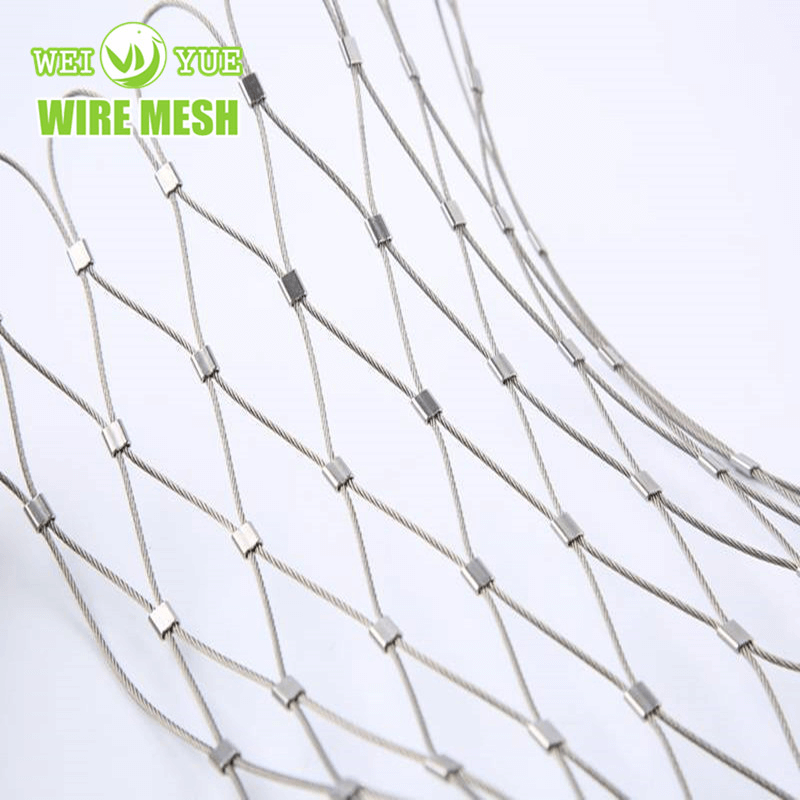
Dropped object netting refers to safety systems used to catch falling tools, materials, and equipment, preventing them from causing harm. It is especially important in environments where elevated work is common. These nets are typically made from durable materials such as coated polyester, which is flexible, or SUS316 stainless steel, which is corrosion-resistant. They are designed to catch falling objects before they reach workers or important equipment below.
In industries like offshore oil drilling, construction, and industrial plants, where workers operate at significant heights, dropped object netting serves as a critical safety measure. The primary objective of these nets is to secure tools, materials, and other equipment, ensuring that objects don’t fall and harm workers or disrupt ongoing operations.
Dropped object netting is engineered for strength, durability, and resilience in harsh environments. The nets are made from corrosion-resistant materials, ensuring they can endure extreme weather, UV rays, and salty air in offshore settings. One of the key features of these nets is their mesh design, which ensures that even small objects are captured effectively, preventing them from slipping through.
These nets are highly versatile and can be installed around scaffolding, industrial machinery, or even permanently around structures to create a safe work environment. In addition, dropped object netting is flexible, which allows it to conform to the shape and size of the area it’s designed to protect, making it an adaptable solution for various industries.
In offshore oil rigs, the risk of dropped objects is particularly high due to the constant movement of heavy equipment, tools, and materials. Wind, saltwater exposure, and corrosive elements complicate the situation, making it essential to secure every object in place. Dropped object netting prevents accidents by catching items before they fall into the sea, thus reducing the risk of harm to workers or the environment.
SUS316 stainless steel is the material of choice for offshore applications, thanks to its exceptional resistance to corrosion and its ability to withstand harsh environmental conditions. These nets provide an effective safety solution for securing tools, equipment, and devices such as cameras, cables, and pumps, ensuring they remain in place despite the challenging conditions.
Construction sites and industrial plants are high-risk environments where tools, equipment, and materials often get dropped from great heights. Accidents resulting from falling objects can cause serious injuries or even fatalities. Dropped object netting serves as an essential safety measure by catching falling tools and materials before they reach workers or damage infrastructure.
These nets are installed around scaffolding, cranes, and other elevated structures to prevent accidents. By creating a barrier that captures falling debris, dropped object netting helps improve site safety. Construction sites benefit from netting systems that secure tools and equipment, reducing the chances of accidents and protecting workers from harm.
Wind turbines are located in high, windy areas, making dropped object safety a significant concern. While workers perform maintenance at great heights, the risk of tools or equipment falling is always present. Dropped object netting ensures that small tools and equipment stay secured, preventing them from falling onto the ground or into critical turbine areas, which could cause malfunctions.
Netting systems in wind energy and renewable energy projects are designed to prevent damage to the equipment and enhance safety. As workers carry out maintenance and repairs on wind turbines, dropped object netting protects both workers and infrastructure by catching any items that may slip from workers' hands.
Dropped object netting must be made from durable materials that can withstand harsh environmental conditions. Coated polyester and SUS316 stainless steel are among the most commonly used materials for these nets. Polyester nets are flexible and lightweight, making them ideal for indoor and moderate environmental conditions. However, for outdoor and high-risk applications like offshore oil rigs and industrial sites, SUS316 stainless steel is preferred due to its high corrosion resistance and strength.
SUS316 stainless steel wire is the preferred choice for applications exposed to saltwater, chemicals, or extreme weather conditions. This material is highly resistant to rust and corrosion, making it ideal for ensuring long-term protection in offshore and industrial environments where durability is crucial.
The design and mesh size of dropped object netting are critical factors in ensuring that the netting can effectively catch falling objects. There are several different mesh types, including woven, knitted, and welded meshes, each providing varying levels of strength and flexibility. The type of mesh selected depends on the size and weight of the objects being secured and the environment where the netting will be used.
For securing smaller tools or lightweight equipment, smaller mesh sizes are recommended to ensure that even tiny objects are captured. Larger mesh sizes are suitable for heavier objects or larger equipment like cameras and machinery. Additionally, the mesh design must ensure that it can be securely attached to fixtures and remains taut during operation.
One of the primary reasons for using dropped object netting is to prevent injuries caused by falling objects. Objects that fall from great heights can cause severe harm, including concussions, broken bones, or fatalities. By securing tools and equipment with netting, companies can drastically reduce the risk of injury to workers below.
Falling objects, even small ones, can cause life-threatening injuries if dropped from a height. With dropped object netting in place, companies can significantly minimize these risks and protect their workforce from harm, improving overall site safety.
Many industries, including construction, oil and gas, and energy production, are subject to strict safety regulations designed to protect workers from hazards such as falling objects. Compliance with these regulations is vital for avoiding fines and maintaining a good safety record. Dropped object netting helps companies meet these regulations, ensuring that they provide a safe working environment for employees.
Installing dropped object netting allows companies to adhere to regulations such as OSHA and DNVGL standards, which mandate the use of fall protection systems to prevent accidents and injuries. It also demonstrates the company’s commitment to maintaining high safety standards and protecting its workers.
Although dropped object netting involves an upfront cost for installation, it is a cost-effective solution in the long run. The cost of workplace accidents, including medical expenses, worker compensation, and legal fees, can far exceed the cost of purchasing and installing dropped object nets. By preventing accidents, dropped object netting helps reduce the risk of costly lawsuits and operational downtime.
Regular maintenance of dropped object netting ensures its longevity and effectiveness. By securing tools and equipment, companies can avoid the potential costs associated with lost materials and repairs to damaged infrastructure.
Table 1: Standard Materials and Suitable Environments for Dropped Object Netting Applications
Material | Key Features | Ideal Application | Advantages |
Coated Polyester | Lightweight, flexible, corrosion-resistant | Indoor and low-exposure industrial environments | Cost-effective, easy to handle |
SUS316 Stainless Steel | High corrosion resistance, durable | Offshore, marine, and high-exposure environments | Superior durability, withstands harsh weather |
Polypropylene | UV-resistant, tough | Construction sites, non-corrosive indoor areas | Strong, resistant to wear and chemicals |
Nylon | Flexible, abrasion-resistant | General industrial applications, scaffolding | High strength-to-weight ratio |
Choosing the right dropped object netting requires a clear understanding of the environment in which it will be used. For offshore environments, where corrosion from saltwater is a major concern, SUS316 stainless steel is the preferred choice. On the other hand, polyester netting is a good option for industrial settings where less exposure to harsh elements is expected.
Custom solutions can be developed for specific applications based on the environmental conditions. Companies should consider the type of equipment they need to secure, the height from which objects may fall, and the prevailing weather conditions to ensure that the netting will offer optimal protection.
The mesh size and strength of the dropped object netting must be chosen based on the type of objects it will be securing. Smaller mesh sizes are ideal for capturing smaller tools and debris, while larger mesh sizes are more suitable for securing larger equipment.
The strength of the netting material is crucial to prevent it from breaking under the weight of falling objects. The net should be able to withstand significant loads without tearing, so the material and design must be selected based on the weight of the tools or equipment involved.
It’s essential to choose netting that complies with relevant safety certifications, such as those from DNVGL or ABS. These certifications ensure that the netting meets required safety and performance standards, providing a guarantee of reliability in high-risk environments. Using certified netting offers peace of mind, knowing that the materials are tested and proven to meet rigorous safety requirements.
Table 2: Recommended Specifications of Dropped Object Netting for Different Applications
Application Area | Mesh Size (in inches) | Recommended Material | Mesh Strength | Common Objects Secured |
Offshore Oil Rigs | 0.5 - 1.0 | SUS316 Stainless Steel | High Strength | Tools, cameras, equipment |
Construction Sites | 1.0 - 2.0 | Coated Polyester, Nylon | Moderate Strength | Tools, materials, debris |
Wind Turbines | 0.5 - 1.0 | SUS316 Stainless Steel, Nylon | High Strength | Tools, parts, equipment |
Industrial Plants | 1.5 - 2.5 | Polypropylene, Polyester | Low to Moderate Strength | Equipment, machinery |
Proper installation of dropped object netting is essential for its effectiveness. The net must be securely fastened to avoid slack that can allow objects to fall through. Ensuring the net is taut and attached correctly around equipment or structures is crucial. Professional installation may be required in some cases to ensure the netting is positioned correctly for optimal safety. Using the right fasteners and anchors, such as stainless steel, helps ensure the net’s stability in harsh environments like offshore platforms or construction sites.
Regular inspections are necessary to maintain the netting's effectiveness. Check for signs of wear, corrosion, or damage, and replace any weakened sections immediately. Ensuring the net remains taut is crucial—loose netting is ineffective. Cleaning the net from dirt, grease, or chemical residues also helps maintain its integrity. Routine inspections, including checking for wear and ensuring proper tension, are essential for ensuring the netting continues to provide long-term protection against falling objects.
Dropped object netting is a crucial safety measure in industries where workers operate at heights. By preventing tools and equipment from falling, it reduces the risk of serious injuries and protects workers and infrastructure. The key to effective dropped object netting lies in selecting the right materials, mesh sizes, and installation techniques, tailored to the specific work environment.
Hebei Weiyue Wire Mesh Products Co., Ltd. provides high-quality dropped object netting solutions that ensure superior safety in high-risk environments. Their nets are made from durable, corrosion-resistant materials like SUS316 stainless steel, making them ideal for offshore, construction, and industrial applications. Investing in these netting systems ensures long-term protection for workers, compliance with safety regulations, and efficient operations.
A: Dropped object netting is a safety system used to catch and secure falling tools, equipment, or materials from heights, preventing potential injuries or damage.
A: Dropped object netting works by trapping falling objects within its mesh, ensuring that they don’t reach the ground or workers below. The nets are designed to absorb the impact and prevent items from causing harm.
A: In offshore oil rigs, the harsh environmental conditions make dropped objects a significant safety risk. Dropped object netting helps secure tools and equipment, preventing them from falling into the sea and reducing safety hazards.
A: When choosing dropped object netting, consider factors like mesh size, material durability, and the environmental conditions at your site. Offshore sites may require corrosion-resistant materials like SUS316 stainless steel.
A: Dropped object netting requires regular inspections to check for wear, corrosion, or damage. Cleaning and ensuring proper tension are also crucial to maintain its effectiveness over time.


