

Views: 0 Author: Site Editor Publish Time: 2026-03-24 Origin: Site


Want stainless steel mesh to look darker, older, or less reflective? The challenge is that stainless steel resists surface change by design. In this article, you will learn why people oxidize stainless steel mesh, how the main methods work, and what to do before, during, and after treatment.
Stainless steel mesh is harder to oxidize than ordinary steel because its surface naturally forms a thin chromium-rich passive film when exposed to air. That invisible layer acts as a barrier between the metal and the environment, slowing further reaction and helping the mesh resist rust, staining, and general corrosion. In practical terms, this is why stainless steel mesh stays stable in many demanding settings, but it is also why common “aging” methods that work on mild steel often produce weak or inconsistent results on stainless grades.
For oxidation work, the challenge is not simply adding color. It is first overcoming or disrupting that stable protective layer in a controlled way, then creating a new surface effect without damaging the mesh itself. This becomes even more important with woven mesh, where thin wires, open areas, and many intersections can react unevenly if preparation or heating is inconsistent. The source material also notes that higher chromium content can slow blackening, which explains why some stainless steel mesh panels take longer to respond or need more specialized treatment.
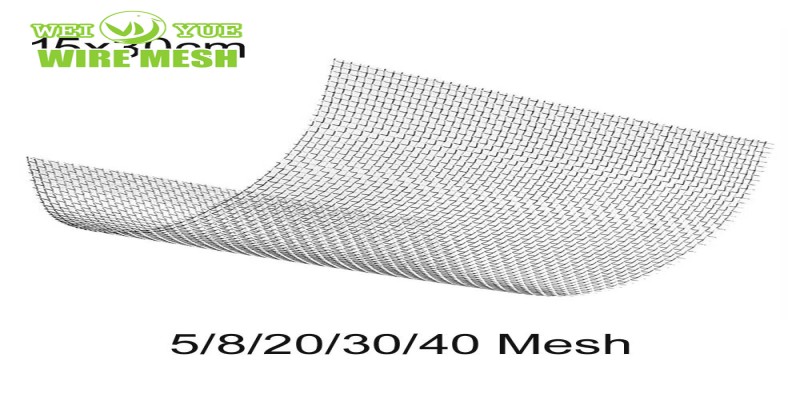
Key points to keep in mind:
● Stainless steel mesh resists oxidation by design, not by accident.
● The same chromium oxide layer that prevents corrosion also resists decorative finishing.
● Oxidation results depend on alloy, surface condition, and method control.
Different oxidation methods create very different visual outcomes, so the right choice depends on whether your project is decorative, architectural, or more functional.
Finish type | Typical look | Best suited for |
Heat tinting | Straw, blue, purple, gray, or near-black tones with visible color variation | Decorative panels, artistic work, projects that welcome a heat-created gradient |
Chemical blackening | More even gray-black or satin black surface | Industrial or architectural uses where a darker, more uniform finish is preferred |
Vinegar patina | Soft, aged, lightly weathered appearance | Antique-style or low-intensity decorative stainless steel mesh applications |
Heat oxidation is often chosen when visual character matters more than perfect uniformity, since the oxide color shifts as temperature changes. Chemical blackening is better when consistency and a darker finish matter most, especially after proper cleaning and post-treatment. Vinegar treatment is the mildest option, producing a softer aged effect rather than a true deep-black surface, which makes it a better fit for subtle antique styling than for heavy-duty functional finishing.
Before you try to oxidize stainless steel mesh, the surface must be completely free of oil, grease, dust, fingerprints, and shop residue. Even a small amount of contamination can interrupt the reaction and leave the finish blotchy, streaked, or weaker than expected. The source material repeatedly emphasizes surface cleaning and degreasing because oxidation treatments do not bond evenly to a dirty surface. It also notes that if water beads on the metal, the surface likely still needs more cleaning.
A practical approach is to start with a dedicated degreaser or isopropyl alcohol, then wipe the mesh with a lint-free cloth until the surface looks uniform rather than patchy or oily. For heavily handled or workshop-stored stainless steel mesh, a second pass is often worthwhile. If residue from prior processing is visible, a mild alkaline or acid-based cleaning step may be needed before oxidation work begins.
Preparation task | Why it matters |
Degreasing | Removes oils that cause uneven oxidation |
Removing scale or residue | Prevents patchy darkening and poor adhesion |
Thorough rinsing | Stops cleaner residue from interfering with the finish |
Complete drying | Reduces staining and keeps the surface stable before treatment |
Light abrasion is optional, but it can improve how stainless steel mesh accepts oxidation, especially when you want a stronger or darker effect. A gentle scuff with fine steel wool or sandpaper helps break the passive surface and gives the treatment a more receptive texture. The source material specifically connects light abrasion with better uniformity and improved bonding of the blackened layer.
Use abrasion carefully, though. Mesh is made of thin wires, and aggressive sanding can flatten detail, scratch too deeply, or create a finish that looks damaged rather than intentionally aged. Choose a lighter touch when working with fine woven mesh or when the goal is a softer decorative patina rather than a bold industrial blackening effect.
Because oxidation may involve heat, acids, or reactive blackening solutions, the workspace matters as much as the method. Work in a well-ventilated area, wear gloves and goggles, and keep the mesh supported so it does not bend during handling. For chemical work, keep a neutralizing agent nearby; for torch work, use tongs or another holding method that keeps your hands clear of heat. The source text also warns that stainless steel mesh can be delicate enough to distort under poor heat control or rough handling, so stability and caution should be built into the setup before treatment begins.
Choosing the right way to oxidize stainless steel mesh depends on the finish you want, the level of control you need, and whether the mesh will be decorative or functional. Stainless steel does not react as easily as ordinary steel, so each method works by either forcing oxide color to develop with heat, using chemistry to darken the surface, or creating a softer aged effect through mild acid exposure. The source material shows that preparation, controlled application, and post-treatment steps such as rinsing, neutralizing, and sealing all affect the final appearance and durability.
Method | Visual result | Best use case |
Heat oxidation | Straw, blue, purple, gray, or near-black tones with natural variation | Decorative mesh, artistic panels, low-volume custom work |
Chemical oxidation | Dark gray to black, usually more even across the surface | Industrial or architectural mesh where consistency matters |
Vinegar treatment | Soft, aged, lightly weathered patina | Antique-style decorative projects with a subtle finish |
Faux finish | Painted or coated surface in custom shades | Indoor decorative mesh where true oxidation is unnecessary |
Heat oxidation changes the appearance of stainless steel mesh by thickening the oxide layer on the surface. As temperature rises, the color shifts gradually, often moving from pale gold to blue, purple, gray, and eventually a much darker tone. This method is popular because it can create a visually rich finish without fully covering the metal’s original texture. A propane or butane torch is often used for localized control, while an oven is better when a broader and more even tone is needed across a panel. The source material also notes that controlled thermal blackening may require stable high temperatures to avoid irregular results.
The main challenge is uneven heating. Mesh heats faster than solid sheet because the wires are thin and the open structure loses heat irregularly. To reduce patchiness, move the flame continuously, work in passes instead of staying in one spot, and rotate the mesh if possible. If the finish becomes blotchy, the usual causes are overheating, inconsistent distance between flame and surface, or poor surface preparation before heating. Quenching after the desired color appears can help stop the reaction and preserve the tone more predictably.
Chemical oxidation is the better option when the goal is a darker, more consistent finish. Ferric chloride-based etching solutions and stainless blackening products are commonly used because they react with the surface and build a gray-black or blackened appearance that looks more controlled than heat tinting. Some solutions can be brushed, sprayed, wiped, or dabbed on, which makes them practical for mesh panels that are too large or awkward to submerge. The source text also explains that blackening usually works best after thorough cleaning and may need repeated applications to deepen the final shade.
Safety matters more here than with any other method. Ferric chloride is corrosive, can stain work surfaces, and should be handled with gloves, eye protection, and strong ventilation. Keep baking soda nearby so spills or over-application can be neutralized quickly, and rinse the mesh thoroughly once the target finish is reached. If residue is left behind, the reaction may continue and damage the look instead of improving it.
Vinegar treatment is slower and milder, but it works well when you want stainless steel mesh to look softly aged rather than dramatically blackened. The usual process is to lightly scuff the surface with steel wool or sandpaper, then soak the mesh in white vinegar long enough for the finish to develop. Because vinegar is mild, the result is usually a faded antique character instead of a bold industrial black. That softer look makes it suitable for decorative screens, craft pieces, and vintage-style interior accents.
Its strengths are simplicity, low cost, and a more natural-looking patina. Its weaknesses are slower development, lighter contrast, and less consistency on large mesh panels. For projects that need strong visual impact or tighter color control, vinegar is usually less effective than heat or chemical blackening.
When appearance matters more than true surface conversion, paint or coating can be a practical substitute. Acrylic paint can be brushed on and partially lifted with a damp sponge to create a worn, layered look, while epoxy or powder-style coatings are better when you want stronger coverage. This approach is useful for indoor decorative mesh, mock antique panels, or design projects where exact color matching matters more than producing a real oxide layer.
A faux finish should be treated as a visual solution, not a true oxidation method. It sits on the surface rather than chemically altering it, so it may peel or wear over time, especially on mesh that is touched often or used outdoors. That trade-off can still be worthwhile when speed, color flexibility, and design control are more important than metallurgical authenticity.
Most oxidation failures come from poor control rather than the method itself. The source material emphasizes that leftover oils, unstable temperature, incorrect immersion time, and untreated residue can all interfere with the surface reaction, especially on stainless steel mesh where thin wires respond quickly and inconsistently. It also notes that repeated applications may be needed to reach a deeper gray-black tone, which means a weak first result is not always a failure.
Problem | Likely cause | Best correction |
Uneven finish | Dirty surface, uneven heat, poor solution control | Reclean, rotate during heating, or rebalance concentration/time |
Overheating | Flame held too long or temperature too high | Stop immediately, let the mesh cool, then rework lightly if needed |
Chemical residue | Incomplete rinsing after treatment | Rinse thoroughly, neutralize, dry fully, then reassess the finish |
Overheating usually shows up as harsh dark patches, warped areas, or color jumps that look abrupt instead of gradual. With chemical methods, the common warning sign is residue or smut that keeps reacting after the intended finish has formed. In those cases, stopping the process properly matters just as much as starting it correctly: rinse well, neutralize when needed, and dry the mesh completely to prevent staining or continued surface attack.
Stainless steel mesh is harder to finish evenly than flat sheet because its woven structure creates intersections, edges, and open spaces that heat and react at different rates. Fine mesh is even more sensitive, since tight wire spacing can trap solution or create darker reaction points. The source content also notes that different stainless grades blacken at different speeds, so one process will not behave identically across all mesh types.
To improve consistency:
● Test on a small offcut first.
● Keep the mesh supported so it does not flex during treatment.
● Use steady passes with heat instead of concentrating on one spot.
● For chemical methods, keep timing and solution condition consistent between batches.
A sample test is the fastest way to check whether the color, depth, and texture match your goal before treating a full panel. If the finish looks too light, the source material supports adjusting immersion time, reapplying the blackening layer, or using a more suitable solution for that stainless grade. If the color is too aggressive or uneven, reduce heat intensity, shorten contact time, or improve pre-cleaning before the next pass.
Oxidized stainless steel mesh needs protection because the new surface layer is more vulnerable than the original passive finish. The source material notes that sealing helps improve corrosion resistance, reduces rub-off, and preserves the visual depth of the oxidized layer, especially after chemical treatments. It also highlights oiling as a useful way to enrich color while adding light wear protection.
Use environment | Best protective option |
Indoor decorative mesh | Clear coat or wax |
Outdoor or humid exposure | Water-repellent anti-corrosion sealant |
Mesh needing periodic refresh | Non-drying oil |
Routine cleaning should be gentle, because harsh scrubbing can thin or strip the finish you worked to create. The source text recommends regular cleaning, thorough rinsing, and complete drying to prevent residue, staining, and further surface damage. For day-to-day care, use a soft cloth or brush with mild soap and water, then dry the mesh fully rather than letting moisture sit in the weave. Non-abrasive cleaners are the safer choice, especially on fine mesh where friction can dull the color unevenly.
If the finish begins to wear thin, touch-ups should be localized and controlled instead of repeating the full process immediately. The source material indicates that multiple blackening applications may be needed to deepen gray-black results, which also makes spot reapplication practical for small worn areas. After any touch-up, stop the reaction properly, rinse or neutralize if required, dry the mesh completely, and reseal the repaired area so the refreshed section blends more naturally with the rest of the panel.
Oxidizing stainless steel mesh takes careful cleaning, the right method, and proper aftercare to achieve a lasting finish. Testing small samples, working safely, and adjusting slowly will help you get better, more even results. Hebei Weiyue Wire Mesh Products Co.,Ltd. provides durable stainless steel mesh and reliable manufacturing support, helping customers choose suitable products for decorative, industrial, and architectural applications with greater confidence.
A: Yes, but stainless steel mesh must be fully cleaned, lightly abraded if needed, and tested on a sample first.
A: Chemical blackening usually gives stainless steel mesh a more uniform dark finish than heat tinting or vinegar treatment.
A: Vinegar works best when stainless steel mesh needs a mild antique patina rather than a deep industrial black oxide finish.


