
Views: 0 Author: Site Editor Publish Time: 2026-01-19 Origin: Site


How do you ensure a perfect paint finish on perforated metal? Painting perforated metal can be tricky, but with the right techniques, you can achieve professional results.
In this article, we’ll guide you through the essential steps for painting perforated metal, from surface preparation to choosing the right paint. You’ll learn practical tips to get a smooth and durable finish for your projects.
When it comes to perforated metal, one of the most important reasons for painting is protection. Perforated metal is often exposed to harsh elements, which can lead to rust, corrosion, or wear over time. A well-applied coat of paint can act as a barrier, protecting the metal from moisture, UV rays, and environmental pollutants.
A quality paint job can significantly extend the lifespan of perforated metal, especially in outdoor applications like fences, facades, or HVAC systems. By preventing rust and corrosion, you ensure that the metal maintains its strength and functionality.
Additionally, the protective coating can also prevent the growth of molds or algae, especially for metals that are exposed to high levels of humidity. This is particularly important for applications in industries such as food processing or pharmaceutical manufacturing, where contamination prevention is crucial.
Choosing the right paint is also essential to prevent premature degradation. Some paints are specially formulated to prevent yellowing or fading due to prolonged exposure to UV rays, which is particularly important in outdoor installations or exposed areas.
Painting perforated metal also provides an opportunity to enhance its appearance. Whether it's for a decorative feature in architecture or a subtle element in interior design, color and finish play a critical role. The ability to choose from a wide range of colors and textures means that you can integrate perforated metal seamlessly into your design vision.
For example, choosing the right paint color for a building’s facade can transform its visual appeal. Light colors can make a building feel brighter and more inviting, while darker tones may create a more modern and sleek look. Perforated metal also works well for creating textured effects, enhancing the visual depth of a space.
In interior design, perforated metal panels painted in bold, metallic finishes can add a touch of sophistication to any space. Whether used in furniture, wall panels, or ceilings, these painted panels can make a strong visual statement. In the automotive industry, painted perforated metal is also often used for grilles, trims, or decorative elements that need to be both functional and visually appealing.
Besides aesthetics, painting perforated metal helps control the impact of color psychology. Colors can evoke specific emotions and moods, so using the right shades can improve the atmosphere of the environment, whether it's for a commercial space, public building, or even residential areas.
When you choose the right paint, you’re not just focusing on appearance; you’re also making a long-term investment. High-quality metal paints are designed to withstand harsh conditions, ensuring the painted surface remains durable for years to come. Protective coatings like acrylics or enamels offer resistance to scratches, fading, and stains, making them ideal for perforated metal used in high-traffic areas or outdoor settings.
Additionally, applying a clear protective topcoat after painting further enhances the durability of the finish, protecting against everyday wear and environmental exposure. The clear topcoat also helps prevent water from seeping into the perforations, which can lead to corrosion or rust over time, particularly in outdoor or industrial applications.
In environments that are exposed to extreme weather, such as coastal areas where salt air can cause rust, using an anti-corrosion primer and high-quality topcoat becomes even more critical. The extra layer of protection will ensure that the perforated metal continues to serve its purpose without degrading prematurely.
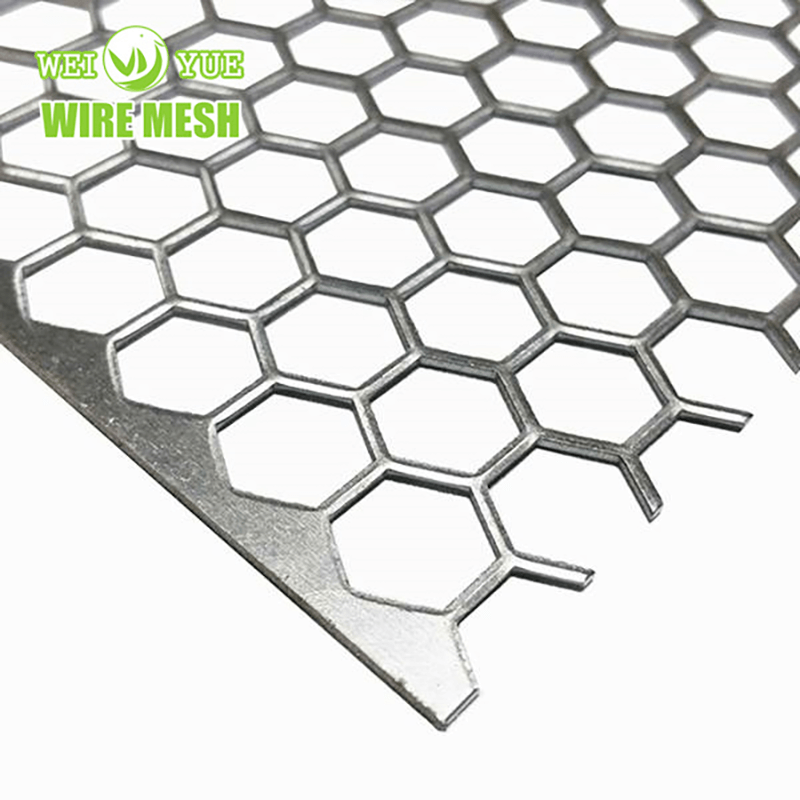
Before you begin painting perforated metal, thorough cleaning is crucial. Dirt, grease, rust, and oil can prevent the paint from adhering properly, leading to peeling or uneven coverage. Use a degreaser or solvent to remove grease and dirt, and make sure to rinse the surface with water afterward.
If rust is present, it’s essential to remove it using a wire brush or sandpaper. This step helps ensure that the paint adheres well and forms a smooth, even finish. Rusted metal will absorb paint unevenly, leading to a poor finish and quicker degradation.
Moreover, if the perforated metal has any old paint that’s flaking or peeling, it must be scraped off before applying a new layer of paint. This is especially important for large perforated metal surfaces, such as fences or architectural facades. Ensure that you don’t leave any loose bits of paint, as these will compromise the quality of your finish.
It’s also advisable to clean the perforated metal in sections to ensure that all parts, especially the perforations, are thoroughly cleaned. Any dirt left inside the holes can prevent paint from sticking, causing an uneven application.
After cleaning, lightly sand the surface to provide a rough texture. This step helps the primer and paint adhere better to the metal surface. For perforated metal, it's essential to focus on the perforations, as they can be tricky to coat evenly. Sanding the surface around the holes helps ensure the paint sticks without running off or creating uneven spots.
Avoid using too coarse a sandpaper, as it can scratch the metal surface. A fine-grit paper is sufficient for creating the necessary texture. You should also use steel wool on the edges or holes to ensure smoothness, ensuring that the primer adheres to every corner and perforation.
The goal is not to roughen the entire surface excessively but to create an optimal texture for the primer. Sanding also ensures that any residues from the cleaning step are removed, contributing to a smooth, professional paint finish.
Primer is an essential step in preparing perforated metal for painting. It promotes better adhesion of the topcoat and helps prevent rust from forming. For ferrous metals (like steel), a universal primer works best. For non-ferrous metals (like aluminum or stainless steel), an acrylic primer is recommended.
Primer Type | Best For |
Universal Metal Primer | Steel, cast iron, and other ferrous metals. |
Acrylic Primer | Aluminum, stainless steel, and other non-ferrous metals. |
A well-applied primer ensures that the topcoat will stick evenly, creating a smooth finish. Be sure to apply the primer in light, even layers and allow it to dry completely before moving on to the paint application. This prevents the primer from forming a thick layer that could result in an uneven finish.
When selecting paint for perforated metal, it's important to choose a product that is durable and compatible with the type of metal you’re painting. Enamel, acrylic, and alkyd-based paints are all good choices, but the best option depends on your specific needs.
● Acrylic Paint: Offers flexibility, durability, and resistance to UV rays. Ideal for outdoor use.
● Enamel Paint: Provides a hard, glossy finish that resists chips and scratches, making it perfect for high-traffic areas.
● Alkyd-Based Paints: Provide excellent adhesion and are perfect for industrial applications.
Consider the metal's exposure to the environment when selecting your paint. Acrylics are ideal for metals exposed to the elements, while alkyd-based paints work well in areas requiring extra durability.
For perforated metal, spray painting is often the best choice. It ensures even coverage, especially in the perforations, where brushing is difficult. Using an aerosol spray paint or a spray gun allows you to cover both sides of the metal and penetrate the holes for a more uniform finish.
While brushing might seem like an easier option, it often results in uneven coverage, especially in intricate patterns like those found in perforated metal. Brushing is also time-consuming and often leads to streaks in areas with a high number of holes.
If you must brush, make sure to use a brush designed for metal painting. However, for a professional-looking finish, a spray gun is highly recommended.
For large-scale or industrial projects, professional coating methods like powder coating or anodizing offer superior results. Powder coating involves applying a dry powder that is then heat-cured, creating a durable, uniform finish. Anodizing, which is often used for aluminum, creates a protective oxide layer on the metal, making it more resistant to corrosion and wear.
Both methods are more expensive than traditional paint, but they provide a higher-quality finish that’s ideal for outdoor use or projects that require extreme durability.
● Use a degreaser or solvent to remove grease and dirt.
● Sand the surface lightly to create texture for better paint adhesion.
● Remove any rust or old paint with a wire brush.
● Choose the appropriate primer for your metal type.
● Apply in light, even layers, allowing each coat to dry completely.
● Use a sprayer or brush designed for metal surfaces.
● Use spray paint to cover the surface evenly, especially in the perforations.
● Apply several light coats, allowing each coat to dry before the next.
● Be sure to spray from multiple angles to ensure complete coverage.
● Apply a high-quality topcoat to enhance durability and provide a smooth finish.
● Consider using a clear protective topcoat for added protection.
● Let the final coat dry completely before handling or reinstalling the metal.
Powder coating is a process that involves applying a dry powder to the perforated metal and then curing it under heat. This method creates a much more durable finish than traditional paint and is resistant to scratches, fading, and corrosion. It's ideal for industrial projects or outdoor applications where the metal will face harsh environmental conditions.
Anodizing is a process specifically for aluminum that thickens its natural oxide layer, providing enhanced corrosion resistance. The process also allows you to add color to the aluminum, which becomes part of the material, preventing peeling or flaking.
One of the most common mistakes when painting perforated metal is not allowing each coat to dry thoroughly before applying the next. Skipping this step can cause smudges, streaks, or even bubbling. Always follow the drying times recommended by the manufacturer.
Different types of metal require different types of paint. Using the wrong kind can lead to poor adhesion, fading, or peeling. Be sure to choose a paint suitable for the metal you're working with (e.g., ferrous vs. non-ferrous).
Surface preparation is key to achieving a high-quality finish. Skipping steps like cleaning, sanding, and priming can lead to a finish that is uneven, chipped, or prone to rusting.
Painting perforated metal requires proper preparation, the right paint, and techniques like spray painting for even coverage. By following these steps, you can ensure a smooth and durable finish that enhances both the function and appearance of the metal.
At Hebei Weiyue Wire Mesh Products Co.,Ltd., we offer high-quality perforated metal solutions for a variety of applications. Our products are designed for durability and aesthetic appeal, ensuring your projects meet the highest standards.
A: Perforated metal is sheet metal that has been punched with holes for various applications. Painting perforated metal helps protect it from corrosion, enhances its appearance, and increases its durability.
A: To prepare perforated metal, clean it thoroughly to remove grease and dirt, then lightly sand the surface to help the primer and paint adhere. After that, apply a suitable primer and paint in multiple light coats.
A: No, it's important to use paint designed for metal surfaces. Acrylic, enamel, and alkyd-based paints are excellent choices for perforated metal, providing both durability and a smooth finish.
A: Spray painting is recommended for perforated metal because it ensures even coverage, especially in the perforations. It helps avoid the difficulty of brushing inside the holes, which can lead to uneven coverage.
A: The cost of painting perforated metal varies depending on the size of the surface, type of paint, and professional services used. DIY painting is more affordable, but professional coatings like powder coating may cost more but offer superior durability.


