
Views: 0 Author: Site Editor Publish Time: 2025-12-26 Origin: Site


Expanded metal mesh can easily lose its luster and durability over time, especially when exposed to the elements. But did you know that painting it can help restore its strength and appearance?
In this article, we’ll guide you through the process of painting expanded metal. You’ll learn how to properly prepare the mesh, select the right paint, and apply it effectively for long-lasting results.
One of the primary reasons to paint expanded metal is to protect it from corrosion. Expanded metal, by design, has a lot of exposed surface area that is prone to rust, especially when it's used outdoors or in humid environments. Moisture, chemicals, and temperature fluctuations can speed up the oxidation process, causing metal to degrade over time.
By applying a layer of protective paint, you create a barrier that helps keep moisture and chemicals away from the metal surface. This prevents rust and corrosion, ensuring the longevity of your expanded metal mesh.
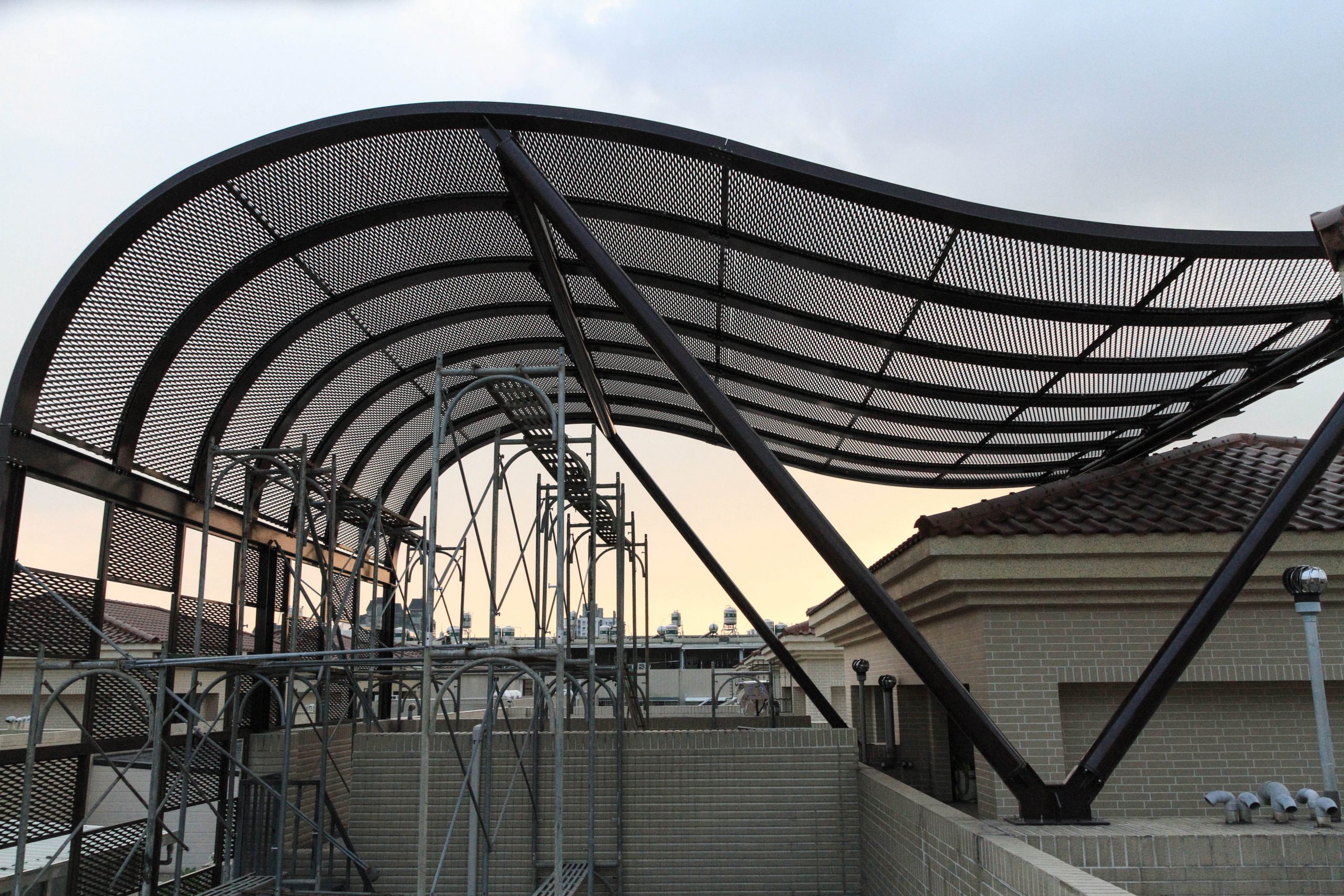
Expanded metal mesh serves both functional and decorative purposes. While it's great for security fencing, grates, and other industrial uses, it may not always be the most attractive material. Painting the mesh can give it a fresh, sleek appearance and make it more visually appealing. Whether it’s for a decorative railing, architectural feature, or simply to match the color scheme of your property, paint can elevate the appearance of expanded metal.
Choosing a color and finish that complements your design can make a big difference, especially for visible installations. Whether you're opting for a subtle matte finish or a glossy sheen, painting allows you to personalize your expanded metal mesh.
Besides protecting against corrosion, painting also increases the durability of expanded metal. A well-applied paint layer acts as a shield, protecting the metal from physical wear, UV rays, and even extreme weather conditions. This is particularly important for outdoor and industrial applications, where expanded metal is exposed to harsh conditions.
UV rays, for instance, can cause metals to fade and weaken over time. A durable coat of paint helps mitigate this damage, keeping the mesh looking fresh and strong for years.
Proper preparation is essential for achieving a clean, smooth, and long-lasting finish. Before painting, it’s important to thoroughly clean the expanded metal to remove dirt, grease, rust, and any existing paint or coatings. A dirty or oily surface will prevent the paint from adhering properly, leading to uneven coverage or peeling over time.
Start by brushing off loose dirt and debris with a soft-bristle brush or using a pressure washer to remove more stubborn grime. For tougher stains, mix a mild detergent with water and scrub the surface to ensure all contaminants are removed.
Once the expanded metal is cleaned, sanding the surface is a crucial step. Sanding smooths out rough edges and removes any remaining rust or old paint, allowing for better paint adhesion. Use medium-grit sandpaper to scuff the surface gently. This process will help create an even texture and prepare the mesh for a more uniform paint application.
Sanding also removes any imperfections, ensuring that the final painted surface is smooth and blemish-free. Focus on areas with heavy rust or old paint, as they need more attention.
Priming is an essential step, particularly if you are working with galvanized or rusty expanded metal. A primer acts as a bonding agent, improving paint adhesion and providing an additional layer of protection against corrosion. Applying a metal primer helps ensure the paint sticks properly, preventing peeling and ensuring long-term durability.
Choose a primer that is specifically designed for metal surfaces. Apply it evenly over the entire surface and allow it to dry fully before proceeding with the paint application.
Not all paints are suitable for expanded metal mesh. For optimal results, choose a paint designed for metal surfaces. Options include enamel paints, spray paints, and powder coatings. Enamel paints are durable and provide a smooth finish, while spray paints are easy to apply and work well for intricate mesh patterns.
Paint Type | Characteristics | Best For |
Enamel Paint | Durable, glossy finish, resistant to weather | Outdoor applications, fences, gates |
Spray Paint | Easy to apply, quick-drying | Intricate designs, DIY projects |
Powder Coating | Long-lasting, corrosion-resistant | Industrial or high-traffic areas |
Expanded metal mesh can be painted with various finishes, including glossy, matte, and satin. A glossy finish offers a shiny, sleek appearance, while a matte finish is more subtle and less reflective. Satin finishes fall in between, offering a slight sheen without being overly shiny. Choose the finish that best complements your project.
When selecting paint for expanded metal, consider its ability to withstand environmental conditions. If the mesh is going to be used outdoors, ensure the paint is resistant to UV rays, rain, and humidity. Weather-resistant paints help prevent fading, chipping, and peeling, ensuring long-lasting results even in harsh conditions.
Before you begin, gather the necessary materials:
● Metal primer
● Paint suitable for metal
● Soft-bristle brush or spray paint
● Sandpaper (medium grit)
● Drop cloth or plastic sheeting
● Protective gloves and mask
There are two main techniques for painting expanded metal mesh: brushing and spraying.
Method | Advantages | Best For |
Brushing | Provides control, ideal for detailed areas | Small sections, touch-ups |
Spraying | Quick and even application, covers more area | Large areas, intricate patterns |
Once you’ve applied the paint, allow it to dry according to the manufacturer’s instructions. Typically, you’ll need to wait 1-2 hours between coats, depending on the type of paint. For optimal results, let the final coat cure for at least 24 hours before handling the mesh.
Using the wrong type of paint can result in poor adhesion and premature wear. Avoid using regular wall paint or paint not designed for metal surfaces. Instead, choose paint specifically formulated for metal or outdoor use to ensure durability and long-lasting results.
Skipping the primer can lead to poor paint adhesion and uneven coverage. The primer helps the paint bond better with the metal surface, especially if the expanded metal has been previously painted or is prone to rust.
Inconsistent paint application can lead to an uneven finish, causing streaks or patches that affect the overall appearance and durability of the paint job. Over-spraying can result in drips, which not only look unattractive but can also cause the paint to pool, leading to areas that take longer to dry. On the other hand, under-spraying can result in thin, patchy coverage, leaving some areas unprotected and vulnerable to corrosion.
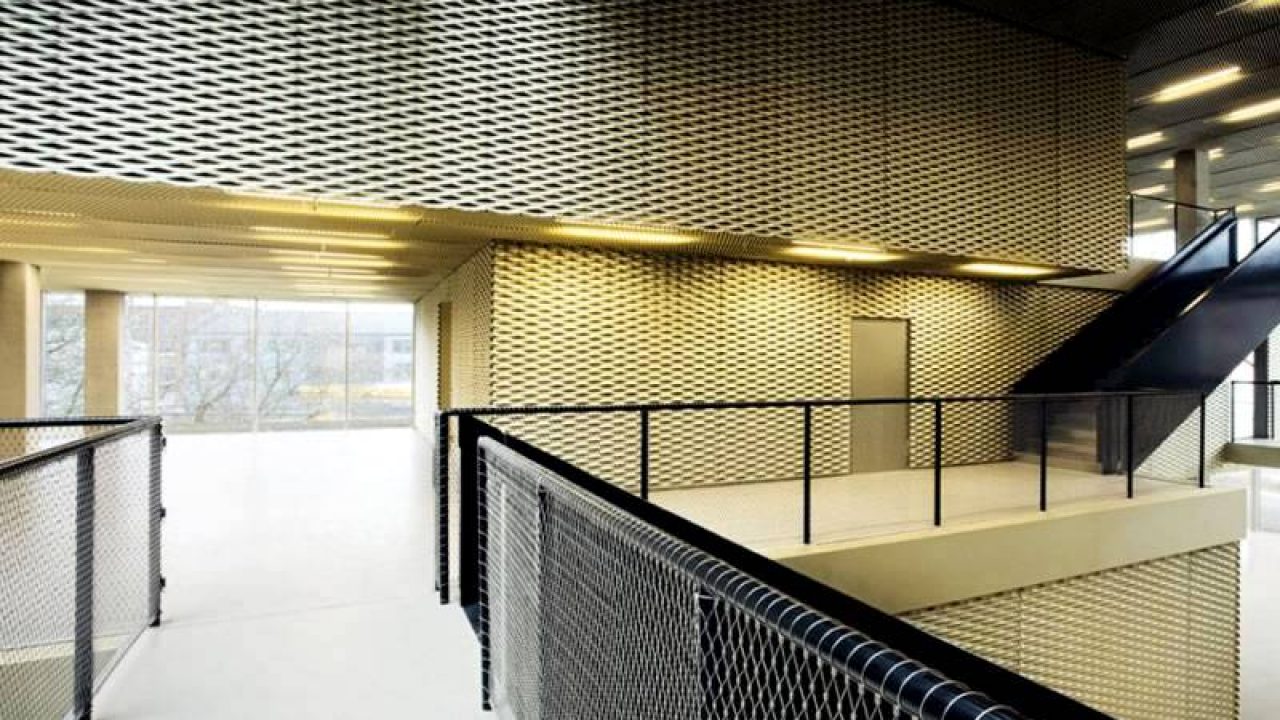
To avoid these issues, apply several light coats of paint instead of one heavy coat. This technique ensures an even application, allowing each layer to dry before adding the next. By building up thin layers, you reduce the risk of drips and achieve a more consistent, durable finish that will last longer. Always maintain the recommended distance from the surface and move the spray can or brush in smooth, even strokes to cover the mesh thoroughly.
To keep the painted expanded metal looking fresh, clean it regularly. Use a mild detergent and water to remove dust and dirt. If you notice any chips or scratches, touch them up with matching paint to prevent rust from forming.
Inspect the painted surface periodically to identify any damage caused by physical wear, weather, or corrosion. If you find any areas where the paint has worn off, sand and repaint those sections as needed.
Tip: Regular inspections and touch-ups will ensure your expanded metal mesh continues to look great and lasts longer.
Painting expanded metal mesh not only enhances its appearance but also protects it from corrosion. By cleaning, priming, and selecting the right paint, you can extend the mesh's lifespan. Companies like Hebei Weiyue Wire Mesh Products Co., Ltd provide high-quality expanded metal products that ensure durability and long-lasting performance, offering value in both aesthetic and protective functions.
A: To paint expanded metal, first clean the surface, apply a metal primer, and then use a paint designed for metal. Spray or brush the paint for an even coat.
A: No, it’s essential to choose paint designed for metal surfaces to ensure good adhesion and durability. Enamel or spray paints are ideal.
A: Painting expanded metal helps protect it from corrosion, enhances its appearance, and increases its durability, especially in outdoor environments.
A: Repainting expanded metal depends on exposure to weather. Typically, repaint every 2-3 years, or sooner if signs of wear appear.
A: Use a metal primer, preferably one that offers rust protection, to ensure better paint adhesion and prevent corrosion.


