
Views: 0 Author: Site Editor Publish Time: 2026-01-16 Origin: Site


Are you looking to understand how expanded metal sheets are made and why they are so useful? The process of creating expanded metal sheets is simpler than you might think, but the results are incredibly versatile.
In this article, we will walk you through the manufacturing process, types of expanded metal sheets, and their key applications. You’ll gain insights into how this material is used across industries like construction, security, and architecture, as well as its advantages in real-world applications.
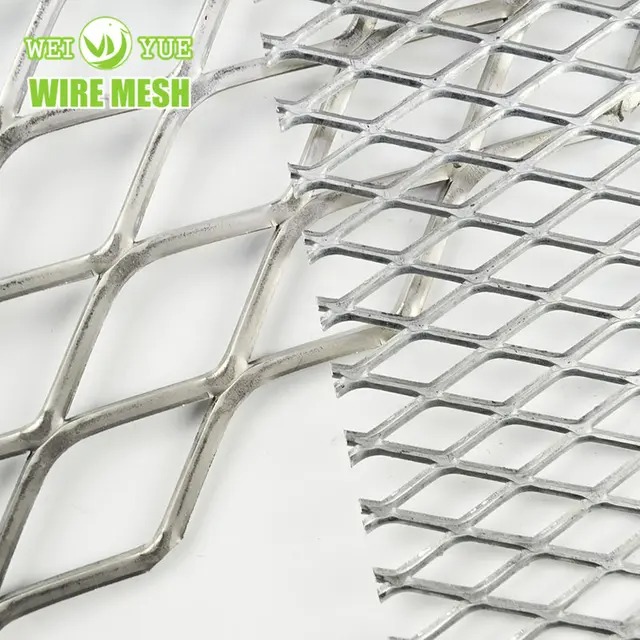
Expanded metal sheet is a type of sheet metal that has been slit and stretched to create a mesh or lattice structure. Unlike perforated metal, where holes are punched through the material, expanded metal sheets are created by slitting the metal and then stretching it, thus creating a pattern of openings while maintaining the integrity and strength of the original material.
The unique feature of expanded metal is that the openings in the mesh are continuous, meaning that the material itself remains connected, providing an unmatched combination of strength and flexibility. It is commonly used in applications where the mesh needs to support weight or allow air, light, and liquids to pass through, all while remaining secure and intact.
1. Strength and Durability: One of the main advantages of expanded metal sheets is their strength. Despite being lightweight, they retain a high strength-to-weight ratio, which makes them ideal for both structural and protective uses. The slitting and stretching process increases the material’s tensile strength, making it resistant to bending and deformation.
2. Cost-Effectiveness: The process of creating expanded metal sheets is highly efficient, requiring minimal raw material and resulting in less waste compared to other mesh types. Additionally, because they are manufactured from a single sheet, expanded metal sheets do not need additional welding or assembly, making them a cost-effective choice for both small and large-scale projects.
3. Versatility: Expanded metal sheets come in various types, allowing them to be used across a wide range of industries. They are suitable for applications in construction, security, architecture, and filtration. Their flexibility makes them useful for a variety of projects, from fencing to decorative facades.
4. Aesthetic Appeal: Besides their functional properties, expanded metal sheets also offer aesthetic advantages, especially when used in architectural designs. They create an intriguing pattern that is not only strong but visually appealing as well. This makes them a popular choice for creating decorative panels, screens, and facades.
Tip: When choosing expanded metal sheets, consider the specific characteristics of the material, such as strength, weight, and resistance to corrosion, in order to meet the requirements of your particular project.
The manufacturing of expanded metal sheets involves a series of steps that turn solid sheets of metal into a strong, mesh-like material. Let’s break down the key stages of production:
1. Material Selection and Preparation: The first step in making expanded metal sheets is to select the material. Common options include aluminum, steel, and stainless steel. Each material type offers specific benefits: for instance, stainless steel is corrosion-resistant, making it ideal for outdoor or industrial use, while aluminum is lightweight and resistant to rust, which makes it useful for architectural applications. The metal is cleaned and prepared by removing any contaminants.
2. Feeding the Material into the Machine: Once the material is prepared, it is fed into an expanding machine, which performs the cutting and stretching. The machine has a set of blades or dies that slit the metal sheet in a specific pattern. The sheet is then stretched to form the mesh.
3. Slitting and Stretching Process: This is the core part of the manufacturing process. During the slitting phase, the metal sheet is cut into specific patterns, typically diamond-shaped or hexagonal. Once the slitting is done, the sheet is stretched to increase its surface area, creating the mesh. The metal retains its strength even after being stretched, which is one of the key advantages of expanded metal sheets.
After the expanded metal sheet has been produced, it may undergo several post-processing treatments to improve its durability, appearance, or functionality:
● Flattening: Flattening is a common post-processing step that involves passing the expanded metal sheet through a set of rollers to smooth out the raised mesh. This step is often necessary when the expanded metal sheet is used in applications requiring a flat, smooth surface, such as architectural panels or interior design elements.
● Surface Coating: Expanded metal sheets can be coated to enhance their appearance or protect them from corrosion. Common coating options include galvanizing (coating the metal with zinc) for rust resistance, anodizing for aluminum sheets to improve durability, or powder coating to provide an aesthetic finish.
Tip: If your project involves outdoor use or exposure to corrosive environments, consider galvanizing or anodizing expanded metal sheets for added protection against rust and wear.
Table 1: Post-Processing Methods for Expanded Metal Sheets
Process | Purpose | Benefits |
Flattening | Smooth out raised metal | Creates a flat, even surface for applications requiring smoothness |
Galvanizing | Coating with zinc | Prevents rust, extends the lifespan of the material |
Anodizing | Electrochemical treatment | Enhances corrosion resistance and gives the material a polished appearance |
There are several types of expanded metal sheets, and each has a unique pattern or finish depending on its intended use. Below are some of the most common types:
1. Standard Expanded Metal: This is the most commonly used type of expanded metal sheet. It has a raised diamond-shaped pattern, which offers high strength and durability. It is ideal for use in industrial applications, such as walkways, gratings, and security fencing.
2. Flattened Expanded Metal: Flattened expanded metal sheets are passed through a set of rollers to smooth the surface. This creates a sheet with a uniform appearance and is often used in decorative or architectural applications, such as railings, panels, and screens.
3. Hexagonal Expanded Metal: Hexagonal expanded metal sheets have a hexagonal pattern of holes, which is often used in filtration applications. The smaller opening size makes it suitable for use in air filters, water filters, and industrial separation processes.
4. Micro Expanded Metal: This type of expanded metal sheet features very fine openings, making it ideal for applications requiring high filtration precision. It is used in industries such as electronics and healthcare, where fine filtration is needed for sensitive processes.
Tip: When selecting the type of expanded metal sheet, consider the specific requirements of your application. For filtration or decorative use, micro or flattened expanded metal may be better suited, whereas standard expanded metal works well for industrial applications.
The versatility of expanded metal sheets makes them suitable for a wide range of applications. Some of the most common uses include:
● Construction and Architecture: Expanded metal sheets are commonly used in the construction industry for applications such as fencing, security barriers, and walkways. The open pattern allows light and air to pass through while still providing strength and durability.
● Filtration: Due to their open, interconnected structure, expanded metal sheets are ideal for use in filtration applications. The sheets are commonly used in air and water filters, where they allow fluid or gas to pass through while trapping debris or particulates.
● Security: The strength and versatility of expanded metal sheets make them a popular choice for security applications. They are often used for enclosures, protective barriers, and grating in security settings, such as prisons, factories, and military installations.
● Reinforcement: Expanded metal sheets are also used in reinforcement applications, particularly in the construction of concrete walls, floors, and ceilings. They provide additional strength without adding unnecessary weight to the structure.
Table 2: Applications of Expanded Metal Sheets
Application | Description | Benefits |
Fencing | Used for security and privacy fences | Durable, resistant to weather |
Grating | Ideal for walkways, platforms | Slip-resistant, lightweight |
Architectural Design | Used for decorative facades and panels | Aesthetic appeal, strength |
Filtration | Used in air and water filters | Allows passage of air/liquid, retains particles |
Expanded metal sheets are a versatile and durable material used across a wide range of industries. From construction to security, they offer strength, flexibility, and cost-effectiveness. The process of making expanded metal sheets is efficient and results in a material that is lightweight yet strong, making it ideal for various applications like fencing, walkways, and filtration.
Hebei Weiyue Wire Mesh Products Co., Ltd. offers high-quality expanded metal sheets that are designed to meet the demands of various industries. Whether for industrial, architectural, or decorative uses, their products provide the perfect balance of strength and aesthetic appeal, delivering long-lasting value for any project.
A: An expanded metal sheet is a type of sheet metal that has been slit and stretched to form a mesh pattern. This process maintains the integrity and strength of the original material while providing openings in the sheet for light, air, or fluid to pass through.
A: The key benefits of expanded metal sheets include high strength-to-weight ratio, durability, versatility, and cost-effectiveness. These sheets are ideal for a variety of applications, such as fencing, security, and filtration, due to their open structure and resilience.
A: Expanded metal sheets are made by slitting a metal sheet into a specific pattern and then stretching it to form a mesh. The process increases the material’s surface area while retaining its structural integrity, making it both lightweight and strong.
A: Yes, expanded metal sheets are commonly used in architectural designs, such as facades, railings, and decorative panels. Their unique patterns provide both strength and aesthetic appeal, making them ideal for modern design applications.
A: Maintenance of expanded metal sheets involves regular cleaning to remove debris and periodic inspections for corrosion, especially in outdoor or industrial settings. Depending on the environment, coating options like galvanization or anodization can help extend their lifespan.


