
Views: 0 Author: Site Editor Publish Time: 2026-01-13 Origin: Site


Cutting expanded metal sheet may seem like a daunting task, but with the right tools and techniques, it can be done with ease. Whether you're working on a DIY project or a larger industrial task, choosing the correct method and tools is crucial for achieving clean, precise cuts.
In this article, we will guide you through the essential steps of cutting expanded metal sheet. You’ll learn about the best tools, safety precautions, and how to handle different types of cuts. By the end of this guide, you'll be well-equipped to tackle any expanded metal cutting project with confidence.
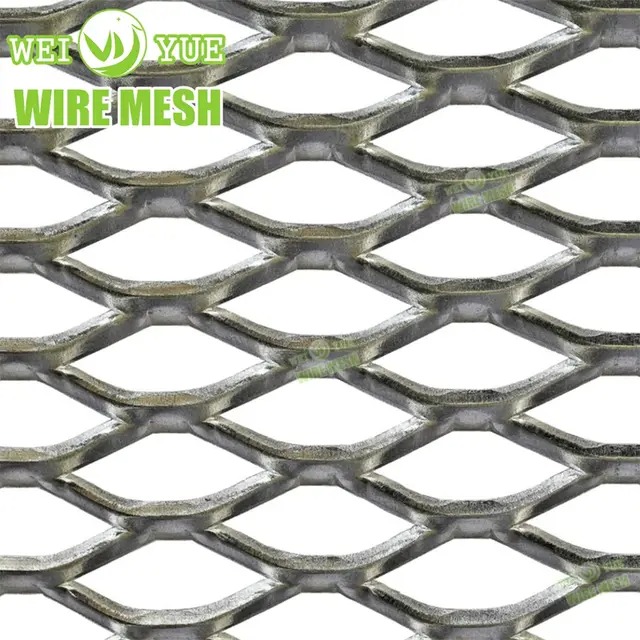
An expanded metal sheet is a type of sheet metal that has been slit and stretched to form a mesh-like pattern, typically diamond-shaped. The expansion process allows the material to retain its strength while reducing its overall weight. Unlike perforated metal, which involves punching holes into a solid sheet, expanded metal keeps the base sheet intact, creating a more durable and versatile material.
Expanded metal sheets come in various types, including raised expanded metal and flattened expanded metal. Raised expanded metal features a mesh pattern that is raised above the base sheet, providing extra strength, while flattened expanded metal has a smooth, flat surface, often used for decorative or smooth applications.
The benefits of expanded metal sheet are clear: it’s lightweight yet strong, highly flexible, and can be used in numerous applications without compromising structural integrity. Whether used for industrial purposes or decorative designs, expanded metal sheets offer excellent performance and longevity.
Expanded metal sheets have a wide range of uses due to their strength, versatility, and cost-effectiveness. Some common applications include:
● Fencing: Ideal for creating strong, durable barriers in security fencing or garden fencing.
● Grating: Used in flooring systems or walkways, offering a slip-resistant surface ideal for industrial environments.
● Architectural Design: Expanded metal is used in both functional and decorative architectural elements, such as facades, gates, and mesh walls.
● Reinforcement: It is used as a reinforcing material for walls and ceilings to add strength while minimizing weight.
● Security: Often used for cages, protective covers, and guards, it offers high visibility while being extremely difficult to breach.
Tip: Expanded metal sheet can be customized for a variety of applications, including custom-built security features, making it a highly flexible material for specific needs.
Selecting the appropriate cutting tool is crucial when working with expanded metal sheet. The choice of tool depends on several factors, including the thickness of the sheet, whether the cut is straight or curved, and the specific job requirements.
When cutting expanded metal sheet, you'll typically need to choose between tools that provide fast cutting, such as grinders, or tools that offer more precision, such as a jigsaw. The material's thickness also plays a role—thicker sheets require heavier-duty tools, while thinner sheets can be cut with lighter, more precise instruments.
1. Angle Grinder:
a. Best for: Cutting thicker expanded metal sheets made of steel, aluminum, or galvanized material.
b. Advantages: Angle grinders are versatile and fast. They can quickly cut through thicker sheets with minimal effort. They are highly effective for straight cuts but require careful handling to avoid overcutting.
2. Jigsaw:
a. Best for: Curved cuts, making intricate designs, or cutting thinner expanded metal sheets.
b. Advantages: A jigsaw offers more precision, allowing you to cut curves or unique patterns. It’s ideal for DIY projects or custom fabrication where detailed cuts are required.
3. Plasma Cutter:
a. Best for: Heavy-duty applications or when cutting through thick metal sheets, such as industrial or construction projects.
b. Advantages: Plasma cutters provide a high level of precision and speed. They can quickly slice through thicker materials and are excellent for applications that demand both speed and precision.
4. Circular Saw:
a. Best for: Cutting thinner expanded metal sheet materials such as aluminum.
b. Advantages: This tool is great for making fast, straight cuts on softer metals. When used with the right blade, a circular saw can handle larger sheets efficiently.
Table 1: Comparison of Cutting Tools for Expanded Metal Sheets
Tool | Best For | Advantages |
Angle Grinder | Steel and galvanized expanded metal | Fast, effective for straight cuts |
Jigsaw | Curved cuts in thinner materials | Provides cleaner, more precise cuts |
Plasma Cutter | Thick metal, fast, precise cuts | Speed and precision for industrial use |
Circular Saw | Aluminum or soft metals | Efficient for larger cuts with metal blades |
Before cutting, it is important to properly prepare the expanded metal sheet. Begin by measuring and marking the areas where you want to make cuts. This can be done using a tape measure and a permanent marker. Accurate measurements are essential to ensure you cut the sheet as intended and avoid wasting material.
After marking, it's important to secure the expanded metal sheet in place. Use clamps or a vice to hold it firmly to a stable surface. If the sheet moves during cutting, it could cause uneven cuts and damage the material. Clamping the metal ensures it stays in place, allowing for precise cuts.
Tip: Always double-check your measurements and marks before cutting to avoid mistakes that could result in wasted material.
Once the expanded metal sheet is securely clamped, use your chosen cutting tool to follow the marked lines. For straight cuts, an angle grinder or circular saw will provide the best results, while a jigsaw is ideal for cutting intricate curves or detailed designs.
When cutting, work slowly and steadily. If the metal sheet is particularly thick, you may need to make multiple passes, especially when using a jigsaw or circular saw. For an angle grinder, maintain a steady pace to avoid rough cuts.
Table 2: Step-by-Step Process for Cutting Expanded Metal Sheet
Step | Action |
Measure & Mark | Use a tape measure and permanent marker to draw a line |
Clamp the Sheet | Secure the sheet to a stable work surface using clamps |
Cut Along the Line | Begin cutting along the marked lines with your tool of choice |
To ensure your cuts are as clean and accurate as possible:
● Always use the correct blade or attachment for your tool.
● Maintain a steady hand and consistent speed while cutting.
● If you encounter any resistance, back off and adjust your tool to make smoother cuts.
For curved cuts, a jigsaw with a fine-toothed carbide blade is recommended. Move at a steady pace to ensure smooth, clean cuts.
Tip: Keep your cutting tool steady and follow the lines accurately for the best results. Avoid cutting too quickly, as this may result in uneven edges.
Cutting expanded metal sheet can produce sparks and sharp edges, so safety is paramount. Always wear the appropriate protective gear to reduce the risk of injury. Essential gear includes:
● Safety glasses to protect your eyes from flying sparks and debris.
● Gloves to protect your hands from sharp edges and provide better grip.
● Steel-toed boots to protect your feet from falling debris.
● Protective apron to shield your body from sparks and hot particles.
A safe workspace is crucial when cutting expanded metal sheet. Make sure your workspace is clean, well-lit, and free from clutter. The cutting area should be sturdy, and the expanded metal sheet should be firmly secured to avoid slipping during the cutting process.
Tip: Ensure your workspace is free of flammable materials, as sparks can ignite fires. Proper ventilation is also important when using power tools that generate heat.
After cutting, the edges of the expanded metal sheet will often be rough or jagged. To avoid injury and ensure the sheet’s edges are safe to handle, use a metal file or grinding wheel to smooth them out. This process will also improve the overall appearance of the cut and prevent sharp edges from damaging other materials or posing a hazard during installation.
Once the cutting is complete, clean up the workspace to avoid leaving behind metal shavings or sharp fragments. Use a broom or vacuum to collect the debris and dispose of it properly. Metal scraps should be discarded in a safe and responsible manner to avoid injury.
Tip: Be sure to clean up the work area after every session to maintain a safe environment. Dispose of all waste materials properly to avoid accidents.
In conclusion, cutting expanded metal sheet is a manageable task with the right tools and techniques. Whether you’re using an angle grinder, jigsaw, or plasma cutter, it's crucial to select the appropriate tool based on the material's thickness and the type of cut required. Remember to prioritize safety with protective gear and a stable workspace.
For high-quality expanded metal sheet products, Hebei Weiyue Wire Mesh Products Co., Ltd. provides durable and versatile solutions suitable for various industries, ensuring reliable performance and exceptional value.
A: An expanded metal sheet is a type of metal mesh created by slitting and stretching a solid sheet of metal. This process forms a pattern of diamonds or hexagons, allowing the material to retain strength while being lightweight and flexible.
A: To cut expanded metal sheet, you can use tools like an angle grinder, jigsaw, plasma cutter, or circular saw. The choice of tool depends on the thickness of the sheet and the type of cut you need (straight or curved).
A: Regular saws are not ideal for cutting expanded metal sheet. Instead, use a jigsaw with a fine-toothed blade or an angle grinder for better precision and a clean cut. These tools are specifically designed for cutting metal.
A: To achieve clean cuts on expanded metal sheet, use the appropriate tool for the material's thickness, keep the cutting tool steady, and ensure it’s sharp. Measure carefully and clamp the sheet to avoid shifting during cutting.
A: Expanded metal sheet is commonly used in construction for its strength, durability, and lightweight properties. It’s perfect for creating fences, grates, and structural reinforcements, providing both functionality and an aesthetic design.


