
Views: 0 Author: Site Editor Publish Time: 2025-12-25 Origin: Site


Expanded metal mesh is a durable and versatile material, but it can accumulate dirt and grime over time. If not properly cleaned, it can lead to corrosion and wear.
In this article, we will discuss effective methods to clean expanded metal mesh and maintain its longevity. You will learn the best techniques, tools, and tips for keeping your mesh in top condition.
Expanded metal mesh is a rigid material made by cutting and stretching metal sheets, resulting in diamond-shaped holes. The mesh structure provides both strength and flexibility, making it ideal for various applications, including grating, fencing, and decorative uses.
This mesh is found in industrial, commercial, and residential settings. Common uses include:
● Security Fencing: Often used in security applications due to its ability to provide a strong barrier.
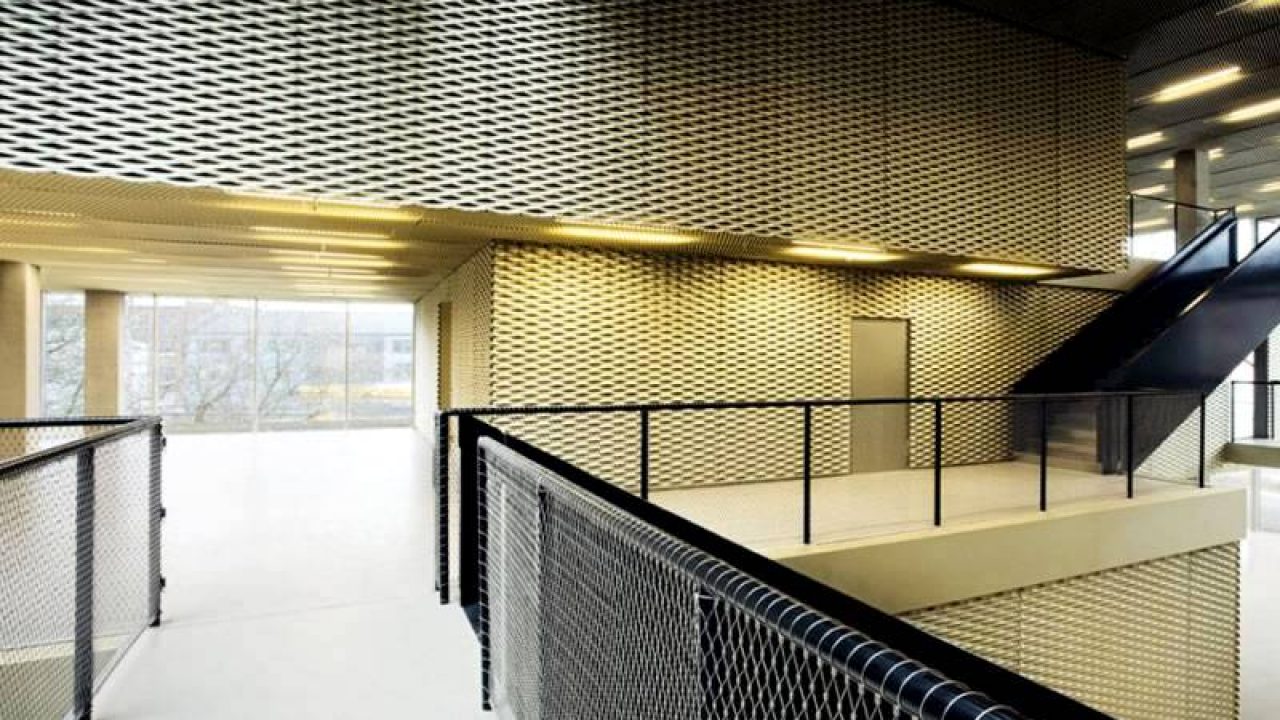
● Architectural Features: In buildings for both functional and aesthetic purposes.
● Flooring & Grating: Its strength makes it ideal for flooring in areas like warehouses.
Expanded metal mesh comes in various forms, including:
● Standard Expanded Metal: Features uniform, diamond-shaped openings.
● Flattened Expanded Metal: Pressed flat for applications requiring smooth surfaces.
● Raised Expanded Metal: Provides additional structural strength due to raised edges.
Tip: Choose the right type of expanded metal mesh based on its intended use to ensure optimal performance.
Over time, dirt, dust, and other debris accumulate in the openings of expanded metal mesh. This buildup not only affects its appearance but can also lead to surface corrosion if left untreated.
Corrosion is a common issue, especially in outdoor applications exposed to the elements. Stains caused by rust or environmental pollutants can be difficult to remove if cleaning is delayed.
The unique structure of expanded metal mesh, with its interstitial gaps, makes cleaning more challenging. The openings can trap dirt, making it harder to clean with traditional methods like wiping or spraying.
Tip: Regular maintenance helps prevent severe staining and corrosion buildup, making future cleanings easier.

Before you begin cleaning, gather the following materials:
● Soft-bristle brush: For scrubbing the mesh without damaging it.
● Pressure washer: For heavy-duty cleaning.
● Degreaser: To break down any oils or grease.
● Protective gloves: To protect your hands from harsh chemicals.
● Water and mild detergent: For general cleaning.
For light cleaning, follow these steps:
1. Brush off loose debris: Use a soft-bristle brush to remove any loose dirt or dust.
2. Prepare cleaning solution: Mix mild detergent with water in a bucket.
3. Scrub the surface: Dip the brush in the solution and scrub each section of the mesh thoroughly.
4. Rinse thoroughly: Rinse the mesh with clean water to remove soap residues.
Tool | Purpose | Recommendations |
Soft-bristle brush | Removes dirt and debris | Ideal for light cleaning |
Pressure washer | For heavy-duty cleaning | Use at low pressure settings |
Mild detergent | Cleans without damaging surface | Best for general cleaning |
Protective gloves | Protects hands during cleaning | Necessary for safety |
For more stubborn dirt or grease, a pressure washer can provide an effective solution. Follow these steps:
1. Set up the pressure washer: Choose a low-pressure setting to avoid damaging the mesh.
2. Hold the nozzle at an angle: Point the nozzle at a 45-degree angle to avoid forcing water into the mesh structure.
3. Spray evenly: Move the nozzle across the mesh evenly to remove dirt and grime.
For tough stains and corrosion:
1. Apply a rust remover: Use a non-abrasive rust remover and apply it to affected areas.
2. Scrub with a brush: Gently scrub the area to lift rust stains.
3. Rinse and dry: Rinse thoroughly and dry with a clean cloth.
Tip: Consider using a rust inhibitor after cleaning to prevent future corrosion.
● Applying a protective coating or treatment to expanded metal mesh is an effective way to enhance its durability and resistance to environmental factors. This can prevent corrosion, rust, and other forms of wear, extending the lifespan of the mesh. Here are some popular options:
● Powder coating: This process involves applying a dry powder to the metal surface, which is then heated to create a smooth, durable, and corrosion-resistant finish. Powder coating not only improves the aesthetic appeal of the mesh but also provides excellent protection against harsh weather conditions and chemicals.
● Galvanization: In galvanization, a protective layer of zinc is applied to the expanded metal mesh. This process significantly improves the mesh's resistance to rust and corrosion, making it ideal for outdoor applications where exposure to moisture is common. The zinc layer acts as a barrier, preventing moisture from reaching the metal beneath.
● Anti-corrosion sprays:These are specially formulated sprays designed to protect metal surfaces from rust and corrosion. Regular application of these sprays, especially on areas exposed to moisture or extreme temperatures, can help maintain the mesh’s structural integrity and appearance.
Using these protective coatings not only improves the longevity of expanded metal but also ensures it continues to perform effectively in various applications, from fencing to architectural uses. Regular maintenance of these coatings will help preserve the mesh in optimal condition.
Perform routine inspections to identify any signs of wear, corrosion, or dirt buildup. Depending on environmental conditions, cleaning intervals may vary. As a rule of thumb:
Location Type | Recommended Cleaning Interval | Reason |
Indoor installations | Every 6 months | Less exposure to elements |
Outdoor installations | Every 3 months or after weather events | More exposure to dirt and moisture |
High-pollution areas | Every 2-3 months | Frequent accumulation of grime |
If you're storing unused expanded metal mesh:
1. Keep it dry: Moisture can lead to corrosion.
2. Store it off the ground: Prevent dirt and debris accumulation by storing the mesh on elevated platforms.
3. Cover it: Use tarps or protective sheets to shield it from the elements.
Avoid using harsh chemicals that can damage the mesh’s coating or weaken its structure. Always opt for a mild detergent or a specifically formulated cleaner for metals.
Using abrasive brushes or tools can scratch the surface of expanded metal mesh, leading to damage that compromises its appearance and protective coating. These scratches can make the mesh more vulnerable to corrosion over time. To avoid this, always use soft-bristle brushes, which are gentle enough to remove dirt and debris without causing harm. Additionally, steer clear of harsh chemicals that may further damage the surface. By using the right tools and methods, you can ensure a safe and effective cleaning process while preserving the mesh’s durability.
Neglecting to apply protective coatings or rust inhibitors to expanded metal mesh can lead to corrosion, especially when exposed to outdoor elements like moisture and humidity. Over time, rust can weaken the mesh, affecting both its functionality and appearance. To avoid this, always take preventive measures, such as applying anti-corrosion sprays or opting for galvanization. Regular maintenance and reapplication of protective coatings will help ensure the mesh stays rust-free and continues to perform effectively.
Cleaning expanded metal mesh is essential for maintaining its durability and appearance. Regular cleaning helps prevent dirt buildup, corrosion, and damage. In this article, we discussed effective cleaning methods, from manual brushing to using pressure washers.
By following these steps, you can keep your expanded metal mesh in top condition. Companies like Hebei Weiyue Wire Mesh Products Co., Ltd offer high-quality expanded metal products, ensuring long-lasting performance and durability in various applications.
A: To clean expanded metal mesh, use a soft-bristle brush and mild detergent for light cleaning. For heavier dirt, consider using a pressure washer.
A: It’s best to avoid harsh chemicals as they can damage the mesh coating. Use mild cleaning solutions instead to protect its integrity.
A: Expanded metal mesh collects dirt due to its open structure, which traps dust, debris, and grime over time, especially in outdoor settings.
A: Clean your expanded metal mesh every 3 to 6 months, depending on its exposure to the elements. Regular cleaning helps prevent long-term damage.
A: Yes, applying a protective coating or rust inhibitor after cleaning can help prevent rust and maintain the mesh’s durability.
A: A soft-bristle brush combined with mild detergent is ideal for cleaning expanded metal mesh, as it gently removes dirt without damaging the material.


