
Views: 0 Author: Site Editor Publish Time: 2026-01-22 Origin: Site


Have you noticed that your stainless steel mesh has lost its shine? Over time, dirt, oxidation, and environmental factors can cause it to dull. But don't worry—it's easy to bring back its brilliance.
In this article, we’ll guide you through the best methods to brighten your stainless steel mesh. You’ll learn how to clean, polish, and maintain it, restoring its shine and ensuring long-lasting performance.
Stainless steel mesh is highly susceptible to surface contamination, which can cause it to lose its natural shine. Dust, grease, airborne particles, and even fingerprints can accumulate on the surface. Over time, this buildup results in a dull and tarnished appearance.
Regular cleaning is essential to remove these contaminants. The longer dirt and grime are left on the mesh, the harder they become to remove. Ensuring that the mesh is regularly cleaned will help prevent this dulling effect, keeping the surface looking fresh and new.
Oxidation occurs when stainless steel mesh reacts with oxygen in the air, forming a thin layer of rust. While stainless steel is designed to resist corrosion, it can still develop surface oxidation, which can dull its appearance. Tea staining, a form of discoloration caused by environmental exposure to moisture and salts, is another common issue. These stains, often seen in marine environments, can create unsightly marks on the mesh.
The good news is that tea staining and light oxidation don't usually affect the mesh's structural integrity, but they can impact its aesthetic quality. Cleaning and polishing can help restore the brightness.
Environmental factors such as humidity, salt air, pollution, and exposure to industrial chemicals can all contribute to the dulling of stainless steel mesh. In coastal or industrial areas, where the mesh may be exposed to saltwater or airborne pollutants, regular cleaning is necessary to prevent corrosion and staining.
For example, in marine environments, stainless steel mesh may need more frequent cleaning due to the presence of salt in the air, which accelerates the corrosion process.
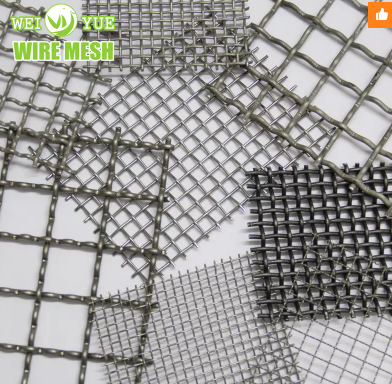
The first step in brightening stainless steel mesh is a simple cleaning process. Start by using warm water mixed with mild soap. This basic solution is often sufficient for removing light dirt and grime from the mesh. The key is to use soft cloths or non-abrasive sponges to avoid scratching the surface.
It’s essential to avoid using harsh chemicals that may damage the finish of the mesh. A gentle, regular cleaning routine with mild soap will go a long way in maintaining the mesh’s appearance.
After cleaning, thorough rinsing is critical to remove any soap or cleaning residue. Leftover soap can cause streaks or spots, so make sure the mesh is rinsed properly. Once rinsed, dry the mesh immediately using a soft cloth to prevent water spots from forming.
Water left on the mesh can dry unevenly, leaving behind mineral deposits or streaks. Drying it right away ensures a clean, shiny finish without the hassle of dealing with watermarks.
Stainless steel mesh typically has a grain, or pattern, running in one direction. When cleaning, always clean along the grain to avoid scratching or damaging the surface. Cleaning against the grain can cause noticeable scratches, which may dull the shine of the mesh.
Using the right technique when cleaning ensures that you’re maintaining the integrity of the mesh’s finish, prolonging its visual appeal.
For tougher stains and discoloration, baking soda can be a powerful cleaning agent. To create a paste, mix baking soda with water until it reaches a thick, spreadable consistency. Apply the paste to the stained areas and gently scrub using a soft cloth or sponge.
Baking soda is an effective, non-abrasive cleaner that helps lift stains without scratching the surface. It works particularly well on light rust or oxidation marks.
Mineral deposits from hard water or environmental exposure can leave a cloudy residue on stainless steel mesh. An easy solution is to mix equal parts white vinegar and water. Apply the vinegar solution to the affected areas, letting it sit for a few minutes before scrubbing gently with a cloth.
Vinegar helps break down mineral deposits and restore the natural shine of the mesh without causing damage.
Even though stainless steel mesh is highly resistant to rust, it can still develop light surface rust in extreme conditions. To treat rust, use a rust remover specifically designed for stainless steel. Alternatively, you can use a mixture of water and baking soda to gently scrub the rust spots away.
It’s important to treat rust promptly before it has a chance to spread. A quick response will keep the stainless steel mesh in top condition without causing long-term damage.
Once your stainless steel mesh is clean, using mineral oil can help restore its shine. Apply a small amount of mineral oil to a soft cloth and buff the mesh gently. Mineral oil adds a protective layer while enhancing the natural sheen of the metal.
Be sure to wipe off any excess oil to avoid leaving a greasy residue on the surface. A light touch is all that’s needed to achieve a brilliant, long-lasting shine.
For a more polished finish, you can use a stainless steel polish. These products are specifically designed to restore the shine to stainless steel surfaces, providing additional protection against oxidation and stains. Choose a non-toxic polish for a safe and effective solution.
Apply the polish according to the manufacturer’s instructions, and always buff it to a smooth finish using a clean cloth.
While polishing can restore the brightness of stainless steel mesh, it’s important not to overdo it. Excessive polishing can lead to an accumulation of product residues, attracting dust and grime, which can ultimately dull the surface.
To avoid over-polishing, aim to polish your mesh only when necessary—once every few months or after heavy use.
In indoor environments or areas with low exposure to contaminants, cleaning your stainless steel mesh once every few months is typically sufficient. Indoor mesh, such as that used in kitchen appliances or decorative features, doesn’t face the same environmental stress as outdoor applications.
Regular dusting and occasional wiping with mild soap and water will keep it looking clean.
For outdoor stainless steel mesh, particularly in urban or polluted areas, cleaning may need to be done more frequently. Pollutants, dirt, and debris can build up quickly, diminishing the mesh’s shine. Rain can also introduce minerals that leave streaks or spots.
In these environments, clean the mesh every month or sooner if needed.
In coastal and industrial settings, stainless steel mesh is subject to saltwater, harsh chemicals, and other environmental elements that can cause corrosion. To prevent buildup and maintain its appearance, frequent cleaning—at least once a month—is recommended.
For these areas, consider using Grade 316 stainless steel mesh, which is highly resistant to salt and chemical exposure.
Avoid using harsh chemicals like bleach or abrasive tools like steel wool, which can scratch and damage the surface of the mesh. These products can also leave residues that affect the mesh’s appearance.
Always clean stainless steel mesh in the direction of the grain to avoid scratching the surface. Scrubbing against the grain can create visible scratches, reducing the mesh’s visual appeal.
Using cleaning tools made of iron or steel can lead to rust contamination, which will cause rust spots on your mesh. Always use non-ferrous cleaning tools to prevent cross-contamination.
Creating a regular cleaning schedule for your stainless steel mesh can prevent heavy buildups of dirt and oxidation. By incorporating this into your regular maintenance routine, you'll significantly reduce the need for intensive cleaning sessions.
The key is consistency—small, regular cleaning tasks are much easier than dealing with heavy-duty restoration.
Consider adding a protective coating to the stainless steel mesh to guard against dirt, rust, and corrosion. These coatings act as a barrier, helping to maintain the mesh’s shine longer and protect it from external elements. Additionally, storing and installing mesh in a controlled, protected environment helps preserve its appearance.
Storing mesh indoors or in climate-controlled spaces is also beneficial, as it reduces exposure to moisture and chemicals.
If regular cleaning and maintenance do not achieve the desired results, it may be time for professional treatment. This may include passivation or other advanced cleaning methods. Professional treatments are particularly useful if the mesh has experienced significant oxidation or staining that is difficult to address with standard cleaning techniques.
Signs that professional treatment is needed include severe rust buildup, deep stains, or discoloration that persists despite regular cleaning.
Maintaining the shine of stainless steel mesh is essential for its durability and appearance. By understanding the causes of dullness and following proper cleaning, polishing, and maintenance routines, you can restore and preserve its brightness. Whether you’re dealing with mild staining, oxidation, or environmental exposure, there are simple solutions to rejuvenate your mesh.
At Hebei Weiyue Wire Mesh Products Co.,Ltd., we offer a variety of high-quality stainless steel mesh solutions designed for both functional and aesthetic applications. Our products are durable, resistant to corrosion, and perfect for any project that requires reliable performance and a sleek finish. Trust our expertise to provide you with the best stainless steel mesh products for all your needs.
A: Stainless steel mesh can lose its shine due to dirt buildup, oxidation, tea staining, and exposure to harsh environmental factors such as humidity, salt air, and chemicals.
A: You can clean stainless steel mesh using warm water, mild soap, and non-abrasive cloths. For tougher stains, try using a baking soda paste or vinegar solution. Always rinse thoroughly and dry immediately to avoid water spots.
A: Yes, polishing stainless steel mesh with mineral oil or a stainless steel polish can help restore its brightness. Be sure to avoid over-polishing, as it may attract dust and grime.
A: The cleaning frequency for stainless steel mesh depends on its environment. For indoor use, cleaning once every few months is sufficient, while outdoor or coastal environments may require more frequent cleaning due to exposure to pollutants or saltwater.
A: To remove rust from stainless steel mesh, use a specialized rust remover or a baking soda paste. Gently scrub the affected areas with a soft cloth and rinse thoroughly. Regular maintenance can help prevent rust buildup.


