
Views: 0 Author: Site Editor Publish Time: 2025-12-24 Origin: Site


Bending expanded metal can be tricky, but with the right tools, it’s entirely manageable. Whether you’re working on a DIY project or need to make custom pieces for industrial use, knowing the proper techniques is key.
In this article, we’ll guide you through the steps of bending expanded metal. You’ll learn about the tools, methods, and common mistakes to avoid, helping you achieve precise results every time.
To bend expanded metal effectively, it’s important to first understand its structure. Made by slitting and stretching a flat metal sheet, expanded metal forms a strong, lightweight material with diamond-shaped openings. While its strength makes it ideal for applications like security fencing and walkways, its rigid structure requires proper techniques and tools to bend without cracking or breaking.
Expanded metal is made by slitting and stretching a flat sheet of metal, creating a pattern of diamond-shaped openings. This process maintains the strength of the material while making it much lighter than solid metal sheets. Expanded metal is commonly used for security fencing, walkways, reinforcement in construction, and even architectural features due to its strength and aesthetic appeal.
Expanded metal is strong yet flexible and has a characteristic pattern of interconnected metal strips. The main difficulty in bending expanded metal lies in its rigid structure, which can be prone to cracking or breaking if not handled properly. Its strength comes from the way it is stretched, making it a resilient choice for various applications. However, this same structure requires the right techniques and tools when it needs to be bent.
Tool Type | Suitable For | Pros | Cons |
Manual Hand Bender | Smaller, thinner expanded metal | Precise, easy to use | Limited to smaller projects, time-consuming |
Hammer and Pliers | Small adjustments, intricate bends | Low cost, simple | Less control, time-consuming for larger jobs |
Hydraulic Press | Larger, thicker expanded metal | Efficient, powerful, consistent bends | Expensive, requires space and setup |
Roll Bender | Large or continuous bends | Smooth, uniform curves | Expensive, requires more training |
For smaller projects or when working with thinner gauges of expanded metal, manual tools can be sufficient. Some of the tools you can use include:
● Hand Bender: A simple tool designed for bending metal by hand. It’s suitable for lighter, thinner metals and offers good control for precise bends.
● Hammers and Pliers: These can also be used for smaller bending tasks, particularly for more intricate or minor adjustments.
Manual tools are best for small-scale or precise bending tasks, but they can be time-consuming when dealing with larger or thicker expanded metal sheets.
For smaller projects or when working with thinner gauges of expanded metal, manual tools can be sufficient. These tools are often more affordable and easier to handle, making them ideal for DIY tasks or small-scale applications. They allow for precise control, especially when working with intricate bends or smaller pieces. Some of the tools you can use include:
● Hydraulic Press: A powerful tool that allows for consistent, high-pressure bending. It’s ideal for bending large or thick sheets of expanded metal without compromising strength.
● Roll Bender: This tool is perfect for creating uniform curves in expanded metal. It allows for continuous bending without causing stress on the metal.
● Mechanical Bender: These machines are designed for quick, repeatable bending and are typically used in industrial settings.
Power tools save time and effort but come with a higher cost and require more safety precautions. They are ideal for large-scale, heavy-duty projects.
Before you start bending expanded metal, preparation is crucial:
● Measure and Mark: Use a tape measure and a marker to outline where you want to bend the material. Be sure to double-check your measurements for accuracy to avoid mistakes.
● Secure the Metal: Place the expanded metal on a flat, stable surface, and use clamps to secure it. This prevents movement during the bending process, ensuring a more precise result.
For small projects, manual bending tools like a hand bender or hammer and pliers are sufficient. Here’s how to do it:
1. Align the Metal: Position the metal according to your marked lines. Ensure the area to be bent is accessible.
2. Apply Pressure: Use the bender or pliers to apply gradual, consistent pressure along the marked line. Avoid excessive force, which can damage the mesh.
3. Check the Angle: As you bend, periodically check the angle to ensure it aligns with your desired shape. If the metal is bending unevenly, adjust the pressure.
Manual bending requires patience and precision but is ideal for smaller, intricate pieces.
If you’re using a hydraulic press or roll bender, follow these steps:
1. Set Up the Machine: Place the expanded metal sheet in the bender according to the machine’s instructions. Ensure the material is aligned with the bending line.
2. Adjust the Settings: Set the desired bend angle and pressure for the thickness of the metal. Consult the machine’s guide to determine the proper settings.
3. Start the Bending Process: Gradually engage the machine to apply the bend. Power benders allow for continuous bending, so you can achieve smooth, consistent results across the entire sheet.
Tip: When using power tools, ensure the material is well-secured and properly aligned to prevent uneven bends.
One of the most common mistakes when bending expanded metal is not achieving the correct bend angle. Overbending or underbending can weaken the metal and lead to unsatisfactory results. Always check the bend frequently and stop once you’ve achieved the desired angle.
Using the wrong tool for the job can lead to wasted time and damaged metal. For instance, using manual tools on thicker expanded metal can result in inaccurate bends and unnecessary strain on the metal. Always match the tool to the material thickness.
Bending metal can be dangerous, especially when using power tools. Always wear safety gear, including gloves, goggles, and a face shield, to protect yourself from flying metal shards and other hazards.
After bending the expanded metal, the edges may be sharp. Use a metal file, grinder, or sandpaper to smooth out the edges. This not only improves the appearance but also makes the material safer to handle.
If the expanded metal will be exposed to the elements, applying a protective coating or paint is essential. A rust-resistant coating ensures the material’s longevity, especially if it’s used outdoors for security fences or architectural features.
Bent expanded metal is often used for reinforcement in construction, such as custom gates, grilles, and fences. Its strength and flexibility make it ideal for these applications.
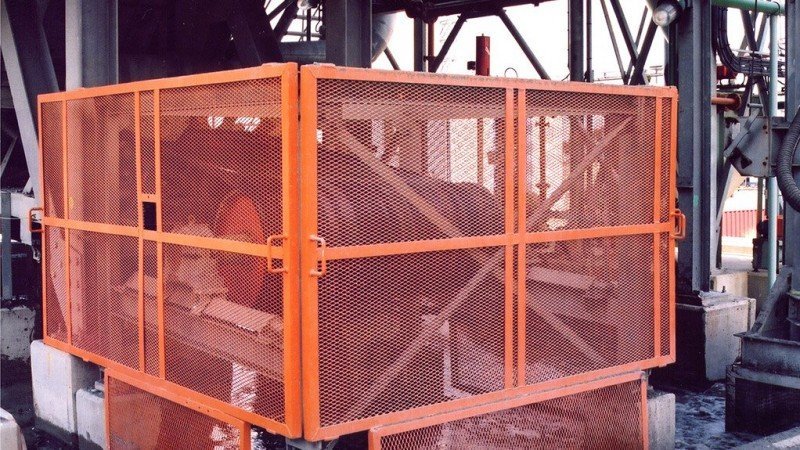
Architects often use bent expanded metal for decorative features, such as facades, window grilles, and screens. The material’s unique appearance adds aesthetic value while offering practical benefits like privacy and airflow.
In industrial settings, bent expanded metal is used for platforms, walkways, and filtration systems. Its ability to withstand heavy loads and provide ventilation makes it suitable for many applications in manufacturing and processing plants.
Tip: When working with bent expanded metal for industrial uses, always ensure it meets the required load-bearing specifications for safety.
Bending expanded metal can be a challenging task, but with the right tools and techniques, it's manageable. Whether for DIY projects or industrial use, understanding the proper methods is key to achieving precise results. Hebei Weiyue Wire Mesh Products Co., Ltd offers high-quality expanded metal products, known for their strength and versatility, helping you achieve optimal results in various applications.
A: Expanded metal is a sheet of metal that has been slit and stretched into a mesh pattern. It’s known for its strength, lightweight nature, and versatility in various applications.
A: To bend expanded metal, use either manual tools like hand benders or power tools like hydraulic presses, depending on the thickness of the material and project size.
A: Expanded metal is difficult to bend because of its rigid structure. The interconnected pattern of metal strips can make it prone to cracking if not bent correctly.
A: Yes, for thinner gauges, you can bend expanded metal by hand using tools like hand benders, pliers, or a hammer. However, thicker metal requires power tools.
A: For small projects, manual tools like hand benders work well. For larger or thicker metal, power tools such as hydraulic presses or roll benders are more efficient.


