
Views: 217 Author: Site Editor Publish Time: 2025-12-09 Origin: Site


Stainless steel mesh is a versatile material used in a wide range of industries, from filtration and construction to automotive and aerospace applications. The production process of stainless steel mesh is intricate, involving several stages, from selecting raw materials to shaping the mesh through specialized techniques. In this article, we will take a deep dive into how stainless steel mesh is made, explore the various methods involved, and understand its benefits and applications.
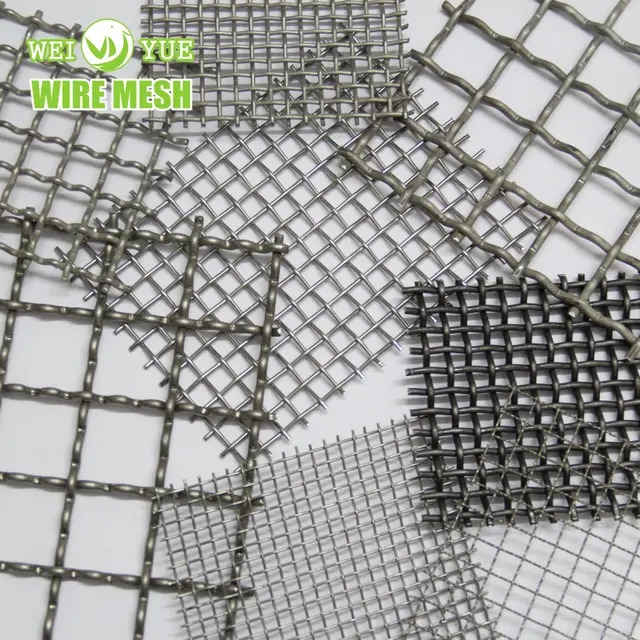
Stainless steel mesh is a type of fabric-like material made from woven or welded stainless steel wires. It combines the corrosion-resistant properties of stainless steel with the flexibility and strength of a mesh structure, making it ideal for filtering, reinforcing, and protecting applications. Depending on its manufacturing method and intended use, stainless steel mesh can vary in terms of wire diameter, mesh size, and strength.
The most notable feature of stainless steel mesh is its high resistance to corrosion, which makes it suitable for use in harsh environments, including exposure to chemicals, high temperatures, and outdoor conditions. It can be used for filtration, screens, architectural applications, and more.
Before diving into the manufacturing process, it's essential to understand the raw materials involved in making stainless steel mesh. These materials play a crucial role in the mesh's durability, strength, and resistance to corrosion.
The primary raw material used to make stainless steel mesh is stainless steel itself. Stainless steel is an alloy primarily composed of iron, chromium, and nickel. The chromium provides excellent corrosion resistance, while the nickel enhances the material's strength and durability. The specific alloy used can vary depending on the desired properties of the final mesh. Common stainless steel grades used for mesh production include:
304 Stainless Steel: Known for its corrosion resistance and ease of fabrication, making it ideal for general-purpose use.
316 Stainless Steel: Offers superior resistance to corrosion, particularly in marine environments, making it suitable for applications exposed to saltwater or chemicals.
430 Stainless Steel: A ferritic stainless steel that offers good resistance to oxidation and is more cost-effective than 304 or 316 grades.
The choice of alloy depends on the environmental conditions in which the mesh will be used and the desired mechanical properties of the mesh.
The process of creating stainless steel mesh involves several critical stages. Let's break down these steps in detail.
The first step in stainless steel mesh production is wire drawing. Wire drawing is the process of reducing the diameter of the stainless steel wire through a series of dies, which shape the wire into the desired thickness. This step requires precise control over the tension, speed, and temperature to ensure that the wire maintains its strength and does not become brittle.
The wire drawing process can result in stainless steel wires with diameters as small as 0.1 mm or as large as several millimeters, depending on the specific requirements for the mesh. Thinner wires are generally used for finer mesh types, while thicker wires are employed for more robust applications.
Once the stainless steel wire is drawn to the appropriate thickness, it is ready to be woven into a mesh. This step involves interlacing the wires in a specific pattern to create a grid. There are two primary methods for weaving stainless steel mesh:
Plain Weave: This is the most common type of weaving, where each wire alternates between over and under the adjacent wire in a simple crisscross pattern. This method is suitable for producing mesh with uniform aperture sizes.
Twill Weave: This method creates a more intricate weave pattern, where each wire passes over two or more adjacent wires before passing under one. Twill weave mesh is often used when increased strength or more flexible mesh is needed.
Weaving can be done either by hand or using automated machines, depending on the scale of production. The woven mesh is then carefully inspected to ensure uniformity in the pattern and dimensions.
For welded stainless steel mesh, the next step involves welding the intersections of the wires at the grid points. Welding ensures that the wires are securely bonded at each intersection, providing increased strength and durability. There are two main welding techniques used:
Spot Welding: This involves using an electric current to heat the wire at the points where they intersect. Pressure is applied to fuse the wires together. Spot welding is ideal for mesh with thicker wires.
Resistance Welding: This process uses an electric current and pressure to fuse the wires at the junctions, making it suitable for creating strong, durable welded mesh with fine wires.
Other joining methods, such as riveting or soldering, can also be used, depending on the specific requirements of the mesh.
There are two primary types of stainless steel mesh: woven and welded. Each type has its own set of advantages and is suitable for different applications.
Woven stainless steel mesh is created by interlacing stainless steel wires in a grid pattern. This type of mesh offers excellent flexibility and strength, making it ideal for filtration, screen applications, and decorative purposes. It can be produced in various mesh sizes, wire diameters, and weave patterns to meet specific needs.
Welded stainless steel mesh is made by welding the intersections of stainless steel wires together at the grid points. This type of mesh is more rigid than woven mesh and is often used in construction, reinforcement, and security applications. Welded mesh is known for its high strength and ability to withstand heavy loads and external pressures.
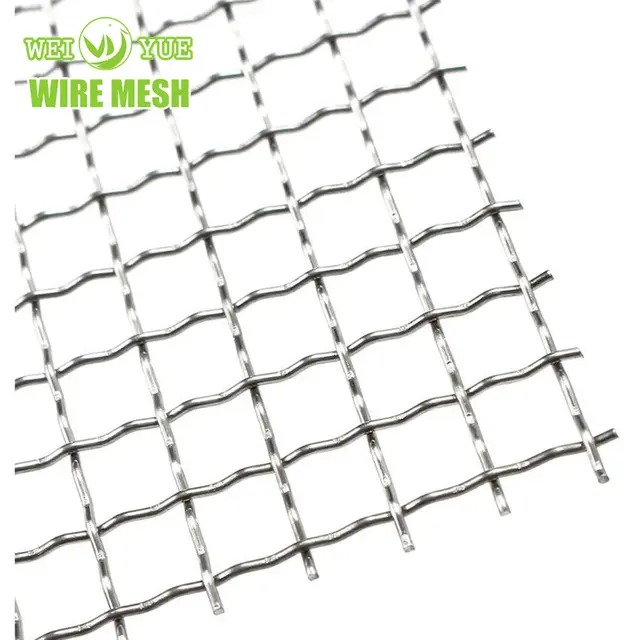
Stainless steel mesh is used in a variety of industries due to its durability, flexibility, and resistance to corrosion. Some common applications include:
Filtration: Stainless steel mesh is used in liquid, gas, and air filtration systems, where it helps filter out impurities and particles.
Reinforcement: In construction, stainless steel mesh is used for reinforcing concrete, improving structural integrity.
Security: Stainless steel mesh is used in security fences, gates, and panels, offering high strength and resistance to tampering.
Architecture and Design: It is also used for aesthetic purposes in architecture, providing a modern look while offering functional benefits like light filtration and privacy.
Ensuring the quality of stainless steel mesh is crucial, especially for applications where precision and reliability are paramount. Several factors are considered during the production process:
Wire Quality: The quality of the stainless steel wire is carefully monitored to ensure that it meets the required specifications for strength and corrosion resistance.
Mesh Uniformity: The mesh pattern must be consistent throughout the entire batch to ensure that the mesh performs as intended.
Strength Testing: The final product is subjected to various tests, including tensile strength tests and load-bearing capacity tests, to verify its durability and performance under stress.
Stainless steel mesh offers several key advantages that make it a preferred material for many industrial applications:
Corrosion Resistance: Stainless steel's inherent resistance to rust and corrosion makes it suitable for use in harsh environments.
Strength and Durability: The material is strong enough to withstand mechanical stress, making it ideal for reinforcement and protective purposes.
Versatility: Stainless steel mesh can be used in a wide range of applications, from filtration to construction and even decorative design.
Easy Maintenance: Stainless steel mesh is easy to clean and maintain, ensuring its longevity and performance over time.
The process of making stainless steel mesh is a complex and multi-step procedure, involving wire drawing, weaving or welding, and careful quality control. By understanding the manufacturing stages and the materials involved, businesses and consumers alike can better appreciate the durability and versatility of stainless steel mesh in a wide range of applications. Whether used for filtration, construction, or security, stainless steel mesh offers unparalleled performance and reliability.
1. What is the difference between woven and welded stainless steel mesh?
Woven stainless steel mesh is created by interlacing wires in a crisscross pattern, offering flexibility and fine filtration capabilities. Welded stainless steel mesh is made by fusing the wires at each intersection, resulting in a rigid, durable mesh often used for reinforcement or security purposes.
2. How do I choose the right type of stainless steel mesh for my application?
The choice of stainless steel mesh depends on factors such as strength requirements, corrosion resistance, flexibility, and the size of the openings. For example, welded mesh is ideal for heavy-duty applications, while woven mesh is better suited for filtration and lighter uses.
3. Can stainless steel mesh be used in marine environments?
Yes, stainless steel mesh, especially grades like 316 stainless steel, offers excellent corrosion resistance in marine environments, making it suitable for use in saltwater conditions.
4. How is stainless steel mesh maintained?
Stainless steel mesh is easy to maintain due to its corrosion resistance. Regular cleaning with water and mild detergents is often sufficient to keep it in good condition. In harsher environments, more frequent cleaning may be required to prevent buildup of debris or scale.


