
Views: 184 Author: Site Editor Publish Time: 2025-11-27 Origin: Site


Stainless steel mesh is a versatile and durable material that finds application in a wide variety of industries, from construction to manufacturing to home improvement. However, one of the common questions people ask is whether stainless steel mesh can be cut to fit specific needs. Whether you're looking to create a custom-sized screen for a window, modify a mesh panel for a project, or simply need to adjust the size of a piece for industrial use, understanding how to cut stainless steel mesh effectively is essential.
This article will guide you through the process, tools required, and the challenges that come with cutting stainless steel mesh. By the end of this guide, you'll be equipped with all the necessary knowledge to safely and accurately cut stainless steel mesh for any project.
Before exploring how to cut stainless steel mesh, it's important to understand what it is and why cutting it can be a bit tricky. Stainless steel mesh is made from woven or welded strands of stainless steel wire. These wires can vary in thickness, with the most common gauges being between 10 and 30. Stainless steel mesh is renowned for its strength, corrosion resistance, and high temperature tolerance, making it ideal for use in harsh environments.
The mesh is often used for filtering, reinforcing, or as a protective barrier. Its resilience and durability, while beneficial for many applications, are also what make cutting the material a more challenging task.
Woven Mesh: This is the most common type, made by weaving stainless steel wires together in a grid pattern. It's flexible and can be cut with certain tools, depending on the thickness of the wire.
Welded Mesh: This type of mesh has the wires welded at the intersections, providing a stronger and more rigid structure. Cutting welded mesh can be more difficult and requires more specialized tools.
Understanding the type of mesh you are working with will affect the cutting method you choose.
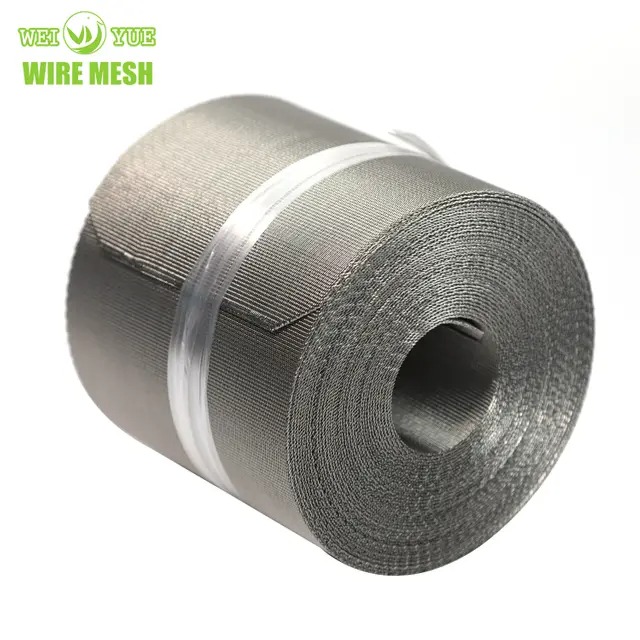
There are several practical reasons why you might need to cut stainless steel mesh. These include:
Customization for Specific Projects: Often, stainless steel mesh needs to be resized to fit into a particular space, like for custom filters, fencing, or enclosures.
Repair or Modification: If a piece of mesh has become damaged or you need to adjust it for a new purpose, cutting it down to size is necessary.
Fabrication: When working on projects like mesh screens for ventilation, cutting the mesh to specific dimensions ensures they fit precisely within the framework.
Decorative Purposes: Stainless steel mesh can also be used for aesthetic purposes, such as creating modern decor items or art installations. Cutting it to a desired shape or size is an essential part of the process.
Understanding your specific need for cutting the mesh helps you select the right tools and methods.
Cutting stainless steel mesh is not as simple as using a pair of scissors. The material is tough, so using the right tools is crucial for both efficiency and safety. Below are some of the most commonly used tools for cutting stainless steel mesh:
Best For: Thin woven stainless steel mesh with smaller gauges (higher numbers).
Pros: Wire cutters are easy to handle and allow for precise cuts on thinner mesh.
Cons: May not be effective for thicker, welded mesh or for cutting through larger diameter wires.
Best For: Cutting through thicker wires in both woven and welded mesh.
Pros: Strong and durable, they can handle thicker mesh with ease.
Cons: Requires more physical effort and may not be suitable for very fine mesh.
Best For: Cutting through heavier welded mesh or thicker stainless steel wires.
Pros: Hacksaws offer a more controlled cut and can handle thicker materials than wire cutters.
Cons: Slower process and may create sharp edges that need to be smoothed afterward.
Best For: Larger or thicker stainless steel mesh when a faster, rougher cut is acceptable.
Pros: Very powerful, allowing for faster cutting of thick welded mesh.
Cons: May result in rough edges, and sparks can fly during cutting, so proper safety precautions are necessary.
Best For: Precision cuts for intricate patterns, or large quantities of stainless steel mesh.
Pros: Provides extremely accurate cuts with minimal material waste.
Cons: Expensive and generally not available for small-scale or DIY projects.
Best For: Cutting through sheets of stainless steel mesh.
Pros: Provides clean cuts and can handle a variety of mesh thicknesses.
Cons: Might not be ideal for very thick or welded mesh.
Cutting stainless steel mesh can be done efficiently if you follow these steps carefully:
Before making any cuts, measure the required dimensions for your mesh. Use a measuring tape, and mark the area you intend to cut with a permanent marker or chalk. Ensure that the lines are straight to get an accurate cut.
Select the appropriate tool based on the thickness and type of mesh. For example, use wire cutters for thin woven mesh, or a hacksaw for thicker welded mesh.
Clamp the mesh down to a stable surface to prevent it from shifting while cutting. This will ensure your cuts are straight and precise.
Start cutting along the marked lines slowly and steadily. If using a power tool like an angle grinder, always keep the tool moving to avoid damaging the mesh.
After the cut is made, use a file or sandpaper to smooth out any rough edges. Stainless steel edges can be sharp, so this step is crucial for safety.
While cutting stainless steel mesh is a manageable task, there are a few challenges that may arise:
Stainless steel is resistant to rust, but the freshly cut edges can be susceptible to corrosion. After cutting, you may want to apply a coating or passivate the cut edges to prevent rust.
When dealing with very thick mesh, the cutting process can become more challenging. You may need more powerful tools or professional-grade equipment to make an efficient cut.
After cutting, the edges of the mesh will be sharp and can be dangerous. Always ensure you handle the material carefully and smooth the edges afterward.
Customizable: Cutting stainless steel mesh allows for tailored sizes to suit specific needs.
Versatility: It can be used for a wide variety of projects, from home improvement to industrial applications.
Durability: Even after cutting, stainless steel mesh maintains its strength and resistance to corrosion.
Tool Intensive: The tools required for cutting stainless steel mesh can be expensive and require skill to use properly.
Time-Consuming: Cutting through thick mesh, especially welded mesh, can take time and effort.
Safety Concerns: Due to sharp edges and flying debris (in the case of power tools), safety precautions are essential.
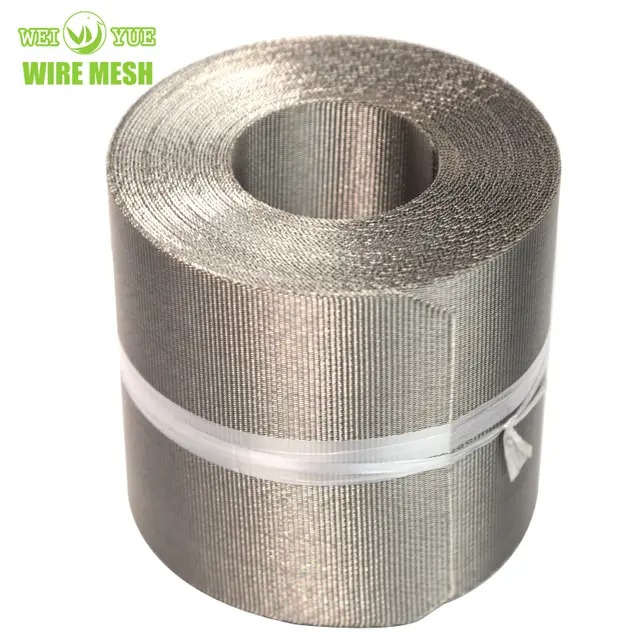
In some cases, cutting may not be the best method for modifying stainless steel mesh. Here are some alternatives:
Bending: If you need to shape the mesh into a curve or angle, you can use a bending brake or hand tools. This is particularly useful for mesh that needs to form part of a frame.
Welding: For welded stainless steel mesh, sometimes it's more effective to weld pieces together to form a custom structure, rather than cutting and reassembling.
Cutting stainless steel mesh is entirely possible, but the method and tools you use will depend on the type of mesh, its thickness, and the specific needs of your project. Whether you're using wire cutters, bolt cutters, or power tools like hacksaws and angle grinders, ensure you choose the right approach for your application. By following the proper steps and precautions, you can achieve clean, precise cuts and safely handle the material for your next project.
No, scissors are generally not suitable for cutting stainless steel mesh. You need specialized tools like wire cutters or bolt cutters.
If you don’t have access to the right tools, consider seeking professional help or using a cutting service. Alternatively, renting tools may be an option.
Yes, stainless steel mesh can have very sharp edges after cutting. It's essential to smooth these edges using a file or sandpaper to prevent injury.
You can apply a protective coating to the cut edges or use a passivation solution to protect against corrosion.


