


Contents
How Do I Choose the Right Stainless Steel Wire Mesh for My DIY Project?
What Are the Common Uses of Stainless Steel Mesh in DIY Projects?
What are the Benefits of Using Stainless Steel Mesh in DIY Projects?
Introduction
Stainless steel wire mesh is a versatile material that has found its way into a variety of DIY projects. Whether you’re constructing a garden trellis, creating a decorative screen, or building a functional filter, stainless steel mesh is a reliable choice due to its durability, strength, and aesthetic appeal. However, many DIY enthusiasts may have questions regarding its use, such as how to choose the right type, how to work with it, and its specific applications.
This guide aims to address these concerns by answering nine frequently asked questions about stainless steel wire mesh for DIY projects. By the end of this article, you’ll have a deeper understanding of the material and be ready to incorporate it into your next DIY project with confidence.
What is Stainless Steel Wire Mesh?
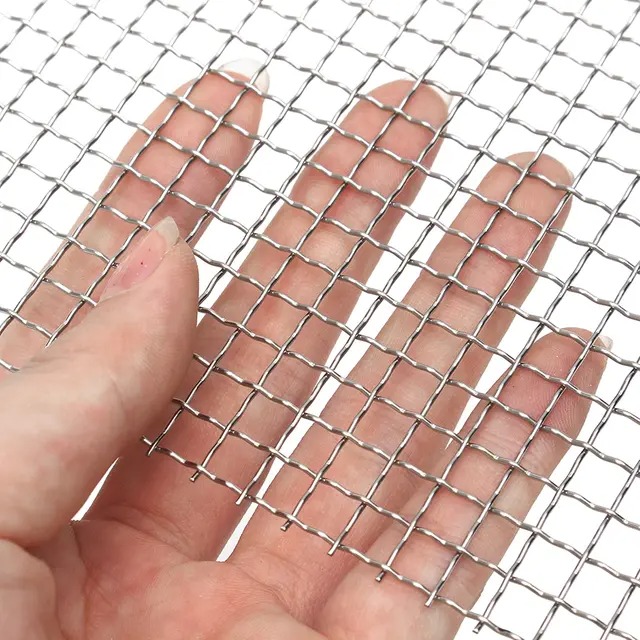
Stainless steel wire mesh is a woven or welded mesh made from high-quality stainless steel wires. It is known for its corrosion resistance, strength, and ability to withstand harsh conditions, making it an ideal material for a wide range of applications, including construction, filtration, security, and decoration.
The mesh comes in a variety of wire gauges, opening sizes, and configurations, which can all impact its function and suitability for specific DIY projects. The material is non-reactive, which makes it perfect for use in environments where other metals might corrode or degrade over time.
Key Features:
Corrosion Resistance: Stainless steel’s natural resistance to rust and corrosion makes it ideal for outdoor and high-moisture environments.
Strength: Stainless steel wire mesh is sturdy and can handle heavy-duty applications.
Aesthetic Versatility: The sleek, shiny appearance of stainless steel adds a modern touch to DIY designs.
How Strong is Stainless Steel Wire Mesh for DIY Projects?
The strength of stainless steel mesh varies depending on the type of wire used, the thickness of the mesh, and the method of construction (woven or welded). Generally, stainless steel mesh is known for its impressive tensile strength, which makes it highly durable for DIY projects that require structural support or reinforcement.
Strength Considerations:
Tensile Strength: Stainless steel is particularly strong under tension, which means it can withstand stretching or pulling forces without breaking.
Mesh Gauge: A thicker wire gauge (lower number) typically offers greater strength, while a thinner wire gauge (higher number) is more flexible.
Welded vs. Woven Mesh: Welded stainless steel mesh tends to be stronger at the intersections, while woven mesh provides more flexibility.
Strength Chart for Common Wire Gauges in Stainless Steel Mesh:
| Wire Gauge | Mesh Opening Size | Approx. Strength (Tensile) |
|---|---|---|
| 12 Gauge | 1/2" or 13mm | High (Ideal for structural use) |
| 16 Gauge | 1/4" or 6mm | Moderate (Great for decorative or lighter applications) |
| 18 Gauge | 1/8" or 3mm | Low (Best for fine filtration or light applications) |
What are the Different Types of Stainless Steel Mesh?
Stainless steel wire mesh is available in a few different types, each suited to different project needs. The primary difference between these types lies in how the mesh is woven or welded, and the alloy used to make the wire.
Types of Stainless Steel Mesh:
Woven Mesh: Woven stainless steel mesh is made by interlacing wires at right angles to form a grid-like pattern. It is often used for filtration, decoration, and protection applications.
Welded Mesh: In welded mesh, the wires are joined at the intersections by welding. This type is typically stronger than woven mesh and is used for more demanding projects like fences, reinforcement, and security applications.
Expanded Metal Mesh: Made by slitting and stretching a flat sheet of stainless steel, expanded metal mesh creates a diamond-shaped pattern. This type of mesh is often used for applications like walkways, grilles, or as a base for plastering.
Perforated Mesh: Stainless steel perforated mesh has a series of evenly spaced holes punched into it. It is commonly used for air circulation, filtration, and light security applications.
How Do I Choose the Right Stainless Steel Wire Mesh for My DIY Project?
Choosing the right type of stainless steel wire mesh for your project depends on several factors, including the application, the environment, and the amount of stress the mesh will endure. Here are some considerations to help you make the right decision:
Key Factors to Consider:
Purpose of the Project: Is the mesh going to be used for structural reinforcement, decoration, or filtration? Choose a mesh that aligns with the demands of your project.
Wire Gauge: Thicker wires are stronger but less flexible, while thinner wires are easier to manipulate but may not offer as much strength.
Mesh Opening Size: Consider how much space is needed between the wires for airflow or filtration purposes. Smaller openings are better for fine filtration, while larger openings are better for structural or decorative uses.
Environmental Conditions: If your project will be exposed to harsh weather conditions or chemicals, you might want to choose a high-quality, corrosion-resistant stainless steel alloy, like Type 316, for added durability.
What Are the Common Uses of Stainless Steel Mesh in DIY Projects?
Stainless steel mesh can be used for a wide range of DIY applications. Here are some of the most popular ways to incorporate stainless steel mesh into your projects:
Common DIY Uses:
Garden Fencing: Stainless steel mesh provides a strong and durable material for building garden fences or animal enclosures.
Decorative Screens: Its sleek appearance makes it a great choice for room dividers, privacy screens, or decorative panels.
Filtration: Stainless steel mesh is ideal for DIY filtration systems in water purification or air filtration devices.
Mesh Shelving: The mesh can be used to create custom shelves for garages, workshops, or even home storage.
Security: It’s often used in DIY security projects like window grilles or protective barriers.
How Do I Cut Stainless Steel Wire Mesh?
Cutting stainless steel wire mesh requires the right tools to ensure a clean and safe cut. While it’s possible to use manual methods, powered tools can make the process much quicker and more precise.
Cutting Tools for Stainless Steel Mesh:
Wire Cutters: For smaller projects or thinner wire mesh, wire cutters can work effectively. However, they may not be suitable for heavy-duty mesh.
Tin Snips: Tin snips are ideal for cutting smaller gauges of stainless steel mesh. They allow for more control and accuracy.
Angle Grinder: For thicker mesh or larger projects, an angle grinder with a metal-cutting disc is the best choice.
Hacksaw: A hacksaw can also be used for cutting through thicker wires, but it may take more time and effort.
When cutting stainless steel mesh, always wear protective gear, such as gloves and safety goggles, as the edges of the mesh can be sharp.
Is Stainless Steel Mesh Easy to Work With?
Stainless steel wire mesh is relatively easy to work with, but it does require some care and the right tools. While it can be more difficult to manipulate than softer materials like aluminum or plastic, its strength and durability make it a great choice for projects that require resilience.
Tips for Working with Stainless Steel Mesh:
Cut with Caution: As mentioned, the wire can be sharp, so use appropriate cutting tools and wear safety gear.
Bend with Proper Tools: Stainless steel mesh can be bent using pliers or a wire bender, but it’s more difficult to bend by hand compared to other materials.
Secure the Mesh: When using stainless steel mesh for structural purposes, ensure that it is securely fastened with the appropriate hardware (e.g., screws, clips, or welds).
Conclusion
Stainless steel wire mesh is an incredibly versatile material for DIY projects. Whether you are building a durable garden fence, creating a decorative screen, or setting up a filtration system, stainless steel mesh offers unmatched strength and longevity. By understanding the various types of mesh available, how to choose the right one for your project, and the tools needed to work with it, you can confidently tackle your next DIY venture with this reliable material.
FAQs
Q1: Can I use stainless steel mesh for outdoor projects?
Yes, stainless steel mesh is ideal for outdoor use due to its corrosion resistance. It can withstand exposure to moisture and harsh weather conditions.
Q2: What is the best way to clean stainless steel mesh?
Stainless steel mesh can be cleaned with mild soap and water. For tougher stains, a mixture of vinegar and water can be used. Avoid abrasive cleaners that may scratch the surface.
Q3: Can I weld stainless steel mesh?
Yes, stainless steel mesh can be welded, especially if you are working with welded mesh. However, it requires specific welding techniques to maintain its structural integrity.
Q4: What are the most common wire gauges used in DIY projects?
For most DIY projects, wire gauges between 12 and 18 are commonly used, depending on whether you need strength (lower gauge) or flexibility (higher gauge).
Q5: Is stainless steel mesh expensive?
While stainless steel mesh can be more expensive than other types of mesh, its durability, strength, and long-lasting properties make it a worthwhile investment for many DIY projects.
